2D Hexagonal Boron Nitride (h-BN) and 1D Boron Nitride Nanotubes (BNNTs): Distinct Effects at the Cellular Level in Fish Cell Lines
Mona Connolly, Emmanuel Flahaut, José María Navas

TL;DR
This study compares the cellular effects of 2D hexagonal boron nitride and 1D boron nitride nanotubes in fish cell lines, finding distinct toxicity profiles.
Contribution
The study is the first to investigate the hazard profiles of BN-based nanomaterials in fish cell lines.
Findings
BNNTs caused plasma membrane disruption and reduced metabolic activity at lower concentrations than h-BN.
Material uptake and toxicity varied significantly between the 2D and 1D BN structures.
Optical assay interferences were observed, similar to those seen with carbon nanotubes.
Abstract
Hexagonal boron nitride (h-BN) and boron nitride nanotubes (BNNTs) are emerging advanced nanomaterials with analogous structures to graphene and carbon nanotubes, respectively. However, little is known about what effect replacing carbon atoms with boron and nitrogen will have on the materials’ safety profile. This study’s aim was to first identify if multi-walled nanotubes of BN could produce a hazard profile similar to that evidenced already for multi-walled carbon nanotubes (MWCNTs) and secondly if the material when present in a sheet-like structure increases or decreases the hazard profile. Fish are aquatic organisms sensitive to boron compounds; however, the potential hazard following exposure to BN and especially when present in such nanostructures has not yet been investigated. An in vitro testing platform consisting of multiple cell lines of the rainbow trout, Oncorhynchus mykiss…
Genes, proteins, chemicals, diseases, species, mutations and cell lines named across the full text — each resolved to its canonical identifier and authoritative record.
Click any figure to enlarge with its caption.
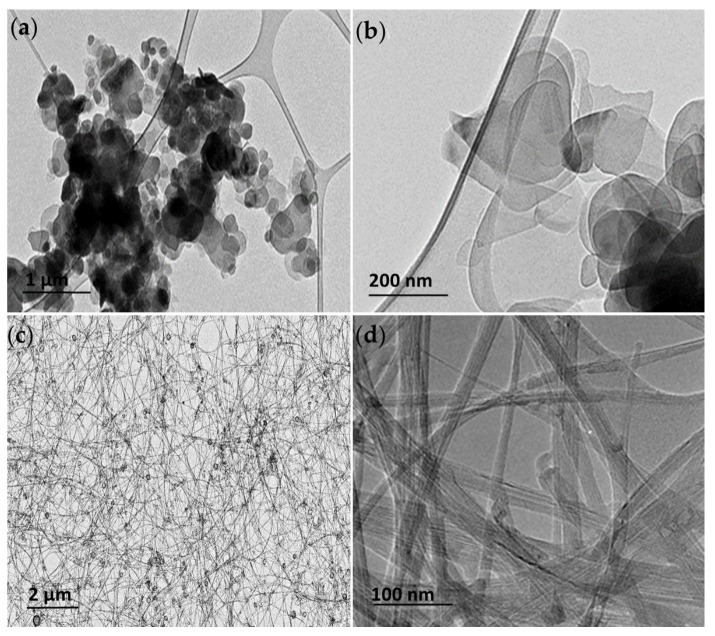 Figure 1
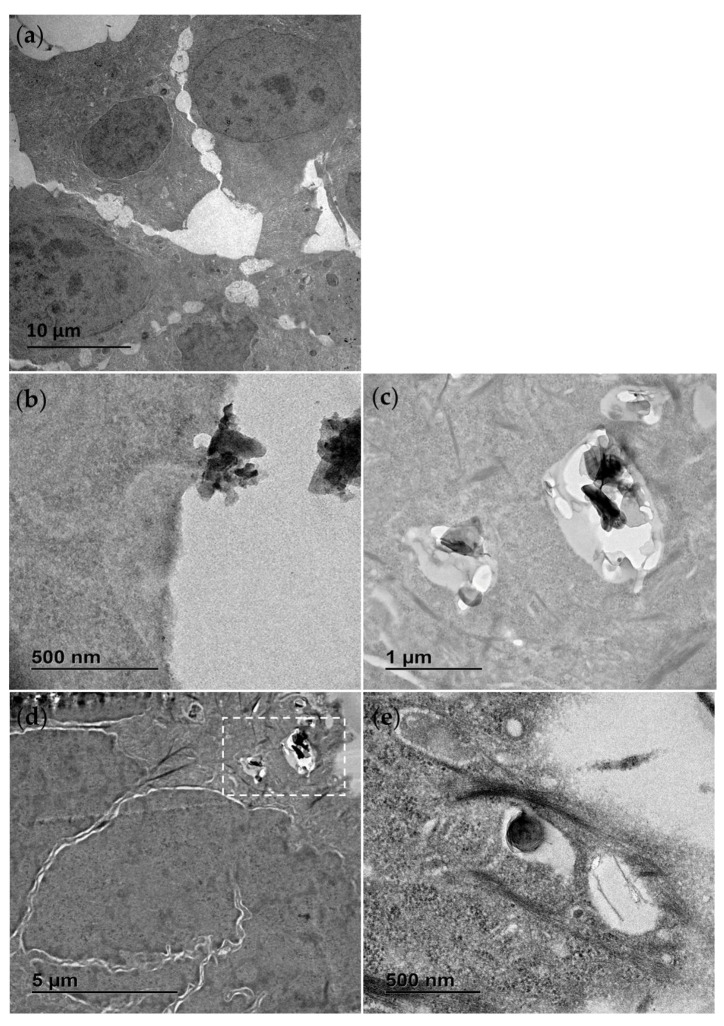 Figure 2
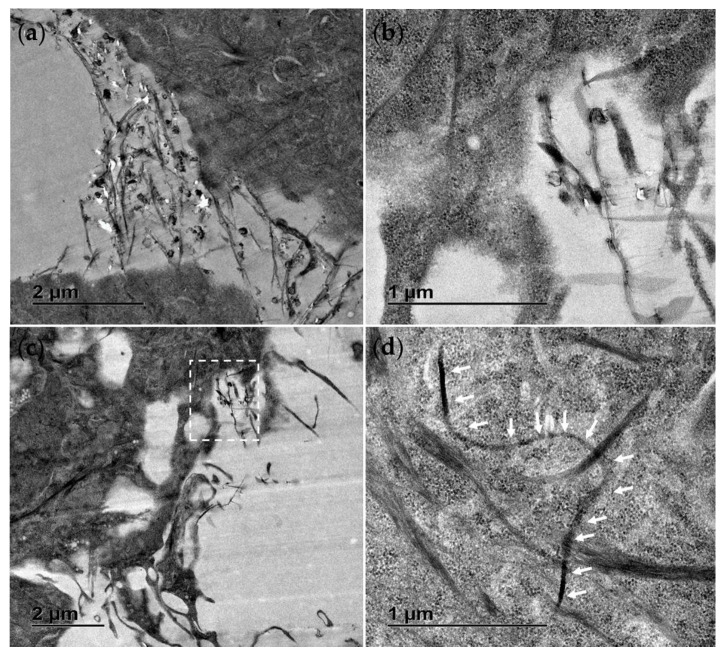 Figure 3
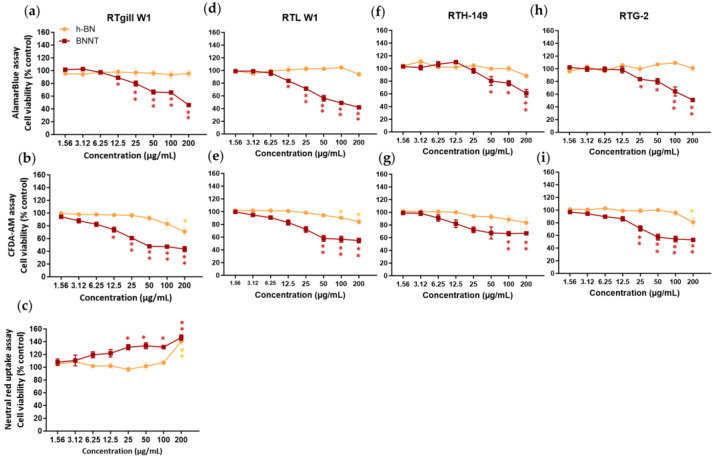 Figure 4
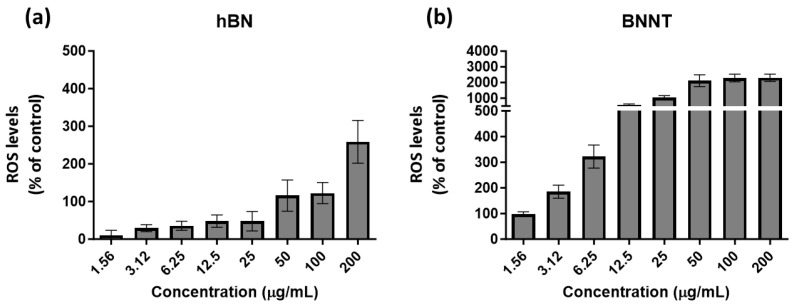 Figure 5
Peer Reviews
No public reviews on file for this paper yet. If you reviewed it on a platform where reviews are public (OpenReview, ICLR, NeurIPS, ICML), you can paste yours below so the community can read it here.
Videos
No videos yet. Explain this paper in a talk, walkthrough, or lecture? Add one.
Taxonomy
TopicsGraphene and Nanomaterials Applications · Membrane Separation Technologies · Graphene research and applications