Knockdown of the snoRNA-Jouvence Blocks the Proliferation and Leads to the Death of Human Primary Glioblastoma Cells
Lola Jaque-Cabrera, Julia Buggiani, Jérôme Bignon, Patricia Daira, Nathalie Bernoud-Hubac, Jean-René Martin

TL;DR
This study shows that reducing the snoRNA-Jouvence in human glioblastoma cells significantly decreases their growth and causes cell death, suggesting a potential new cancer treatment.
Contribution
The study identifies snoRNA-Jouvence as a novel therapeutic target for glioblastoma and AML through its knockdown effects.
Findings
Knockdown of jouvence significantly reduces glioblastoma cell proliferation and induces cell death.
RNA-Seq analysis shows decreased levels of BAALC, a gene linked to oncogenic pathways and cell cycle regulation.
The results suggest potential use of snoRNA-Jouvence knockdown as a new anti-cancer therapy.
Abstract
Background/Objectives: Cancer research aims to understand the cellular and molecular mechanisms involved, in order to identify new therapeutic targets and provide patients with more effective therapies that generate fewer side undesirable and toxic effects. Previous studies have demonstrated the role of small nucleolar RNAs (snoRNAs) in many physiological and pathological cellular processes, including cancers. SnoRNAs are a group of non-coding RNAs involved in different post-transcriptional modifications of ribosomal RNAs. Recently, we identified a new snoRNA (jouvence), first in Drosophila, and thereafter, by homology, in humans. Methods: Here, we characterize the effect of the knockdown of jouvence by a sh-lentivirus on human primary patient-derived glioblastoma cells. Results: The sh-lentivirus anti-jouvence induces a significant decrease in cell proliferation and leads to cell…
Genes, proteins, chemicals, diseases, species, mutations and cell lines named across the full text — each resolved to its canonical identifier and authoritative record.
Click any figure to enlarge with its caption.
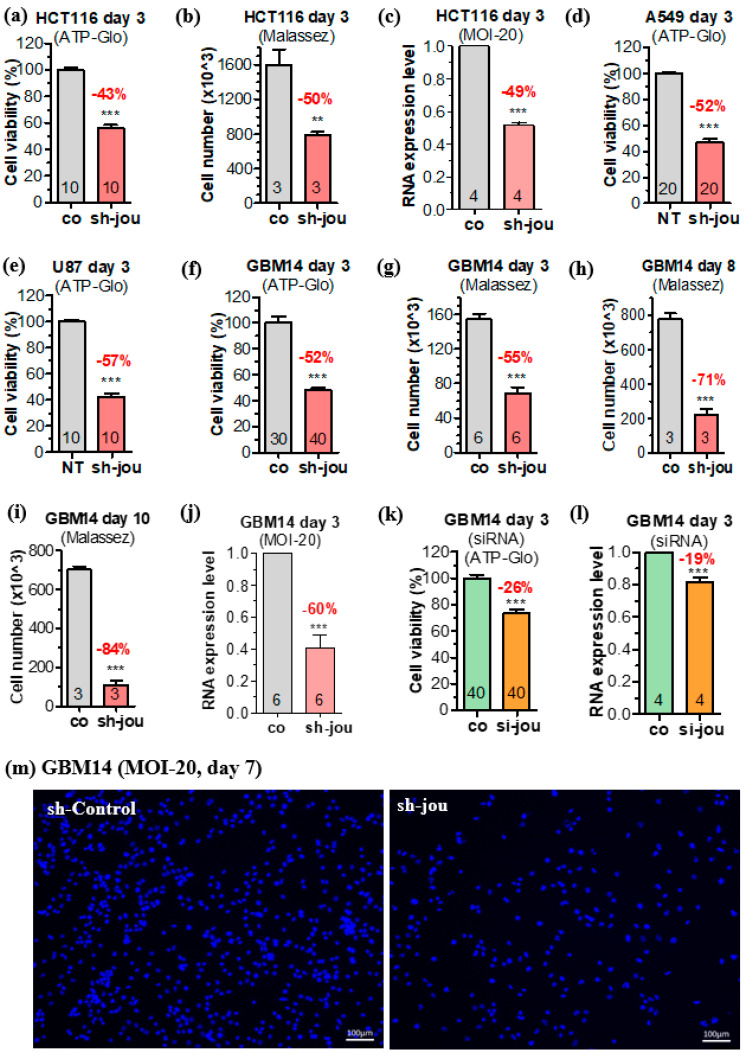 Figure 1
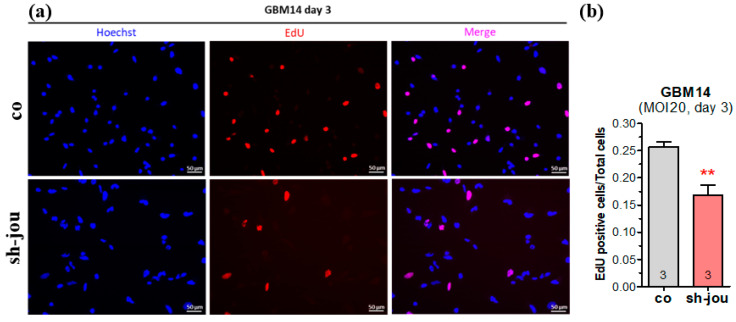 Figure 2
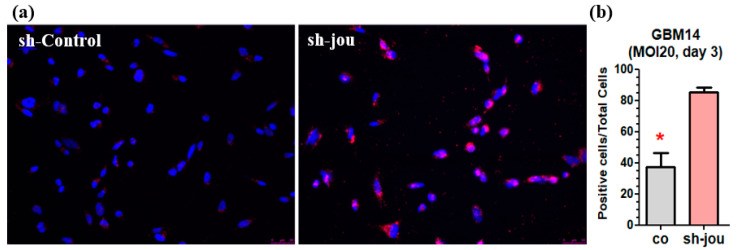 Figure 3
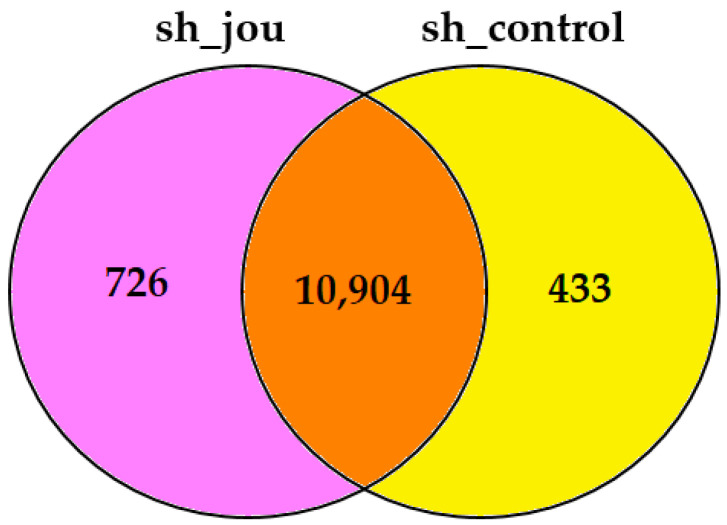 Figure 4
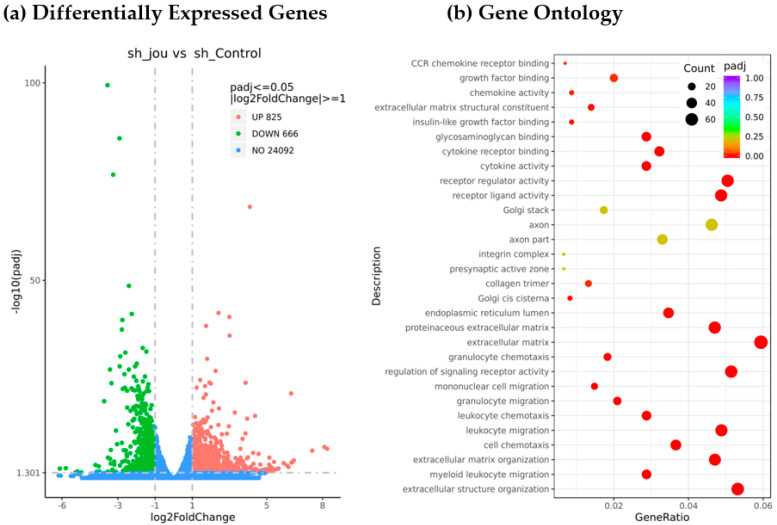 Figure 5
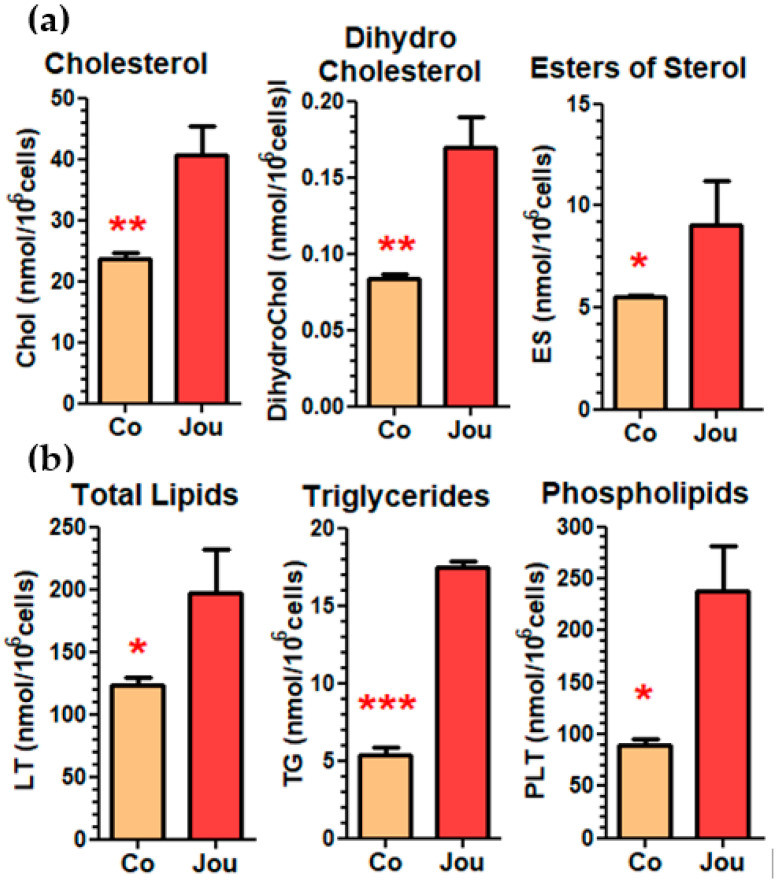 Figure 6
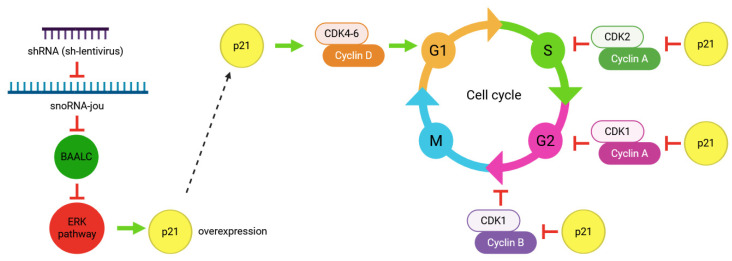 Figure 7
Peer Reviews
No public reviews on file for this paper yet. If you reviewed it on a platform where reviews are public (OpenReview, ICLR, NeurIPS, ICML), you can paste yours below so the community can read it here.
Videos
No videos yet. Explain this paper in a talk, walkthrough, or lecture? Add one.
Taxonomy
TopicsRNA modifications and cancer · Cancer-related molecular mechanisms research · RNA Research and Splicing