Diabetic Ketoacidosis Is Associated with Lower Serum Sphingolipids but Higher β-Hydroxybutyrate and Lactate: A Pilot Study
Ibrahim Aslan, Tuğçe Çeker, Tayfun Ustabaş, Vuslat Zorlu, Çağatay Yılmaz, Mutay Aslan

TL;DR
This pilot study found that diabetic ketoacidosis is linked to lower sphingolipids and higher β-hydroxybutyrate and lactate levels, with changes after treatment.
Contribution
The study identifies novel associations between sphingolipids, N-SMase, and metabolic markers in DKA.
Findings
DKA patients had significantly higher β-hydroxybutyrate and lactate levels compared to controls and obese individuals.
Serum sphingomyelins and ceramides were lower in DKA and post-DKA groups compared to controls and obese individuals.
β-hydroxybutyrate and lactate levels correlated with sphingolipid and N-SMase values in DKA patients.
Abstract
Background/Objectives: Diabetic ketoacidosis (DKA) is an acute and severe complication of diabetes mellitus, marked by hyperglycemia, ketosis, and acidosis. It is associated with significant metabolic and inflammatory adjustments that can impact multiple biochemical pathways. This study aimed to determine the serum sphingolipid profile in DKA and investigate its relationship with neutral sphingomyelinase (N-SMase), pro-inflammatory cytokines, β-hydroxybutyrate (β-OHB), and lactate levels. Methods: Thirty-three participants were divided into three groups: control (BMI ≤ 30, no health issues), obese (BMI > 30), and DKA (BMI ≤ 30). Sphingomyelins (16:0–24:0 SMs) and ceramides (C16–C24 CERs) were measured using ultra-fast liquid chromatography combined with tandem mass spectrometry (LC-MS/MS). N-SMase, interleukin 1 beta (IL-1β), and tumor necrosis factor alpha (TNF-α) levels were assessed…
Genes, proteins, chemicals, diseases, species, mutations and cell lines named across the full text — each resolved to its canonical identifier and authoritative record.
Click any figure to enlarge with its caption.
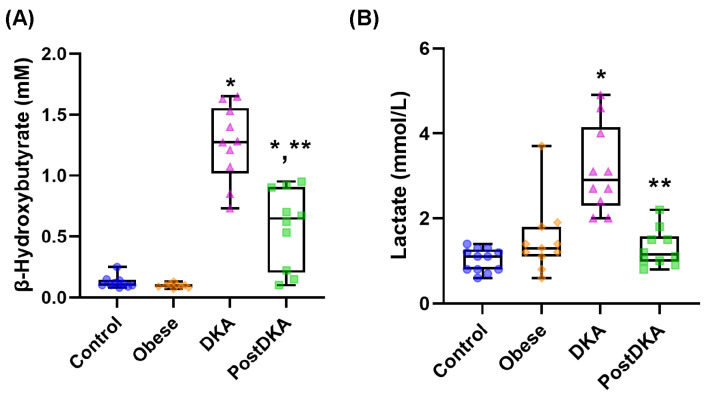 Figure 1
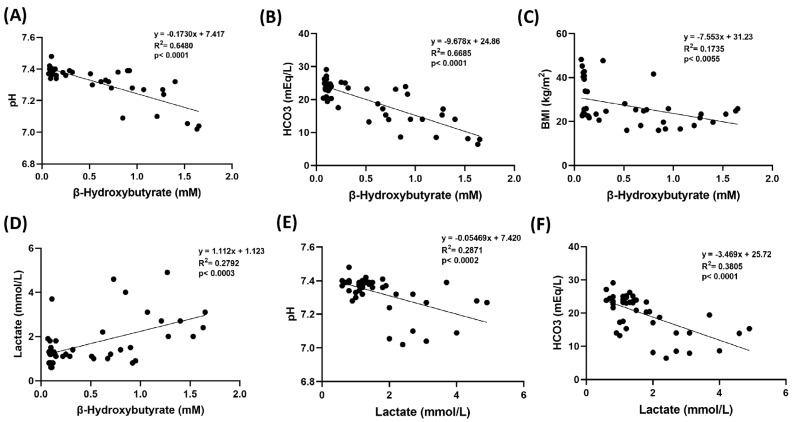 Figure 2
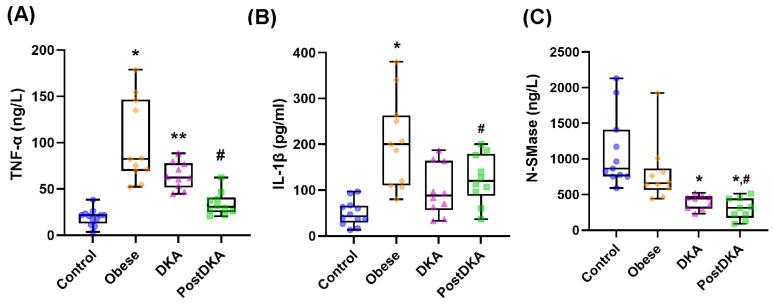 Figure 3
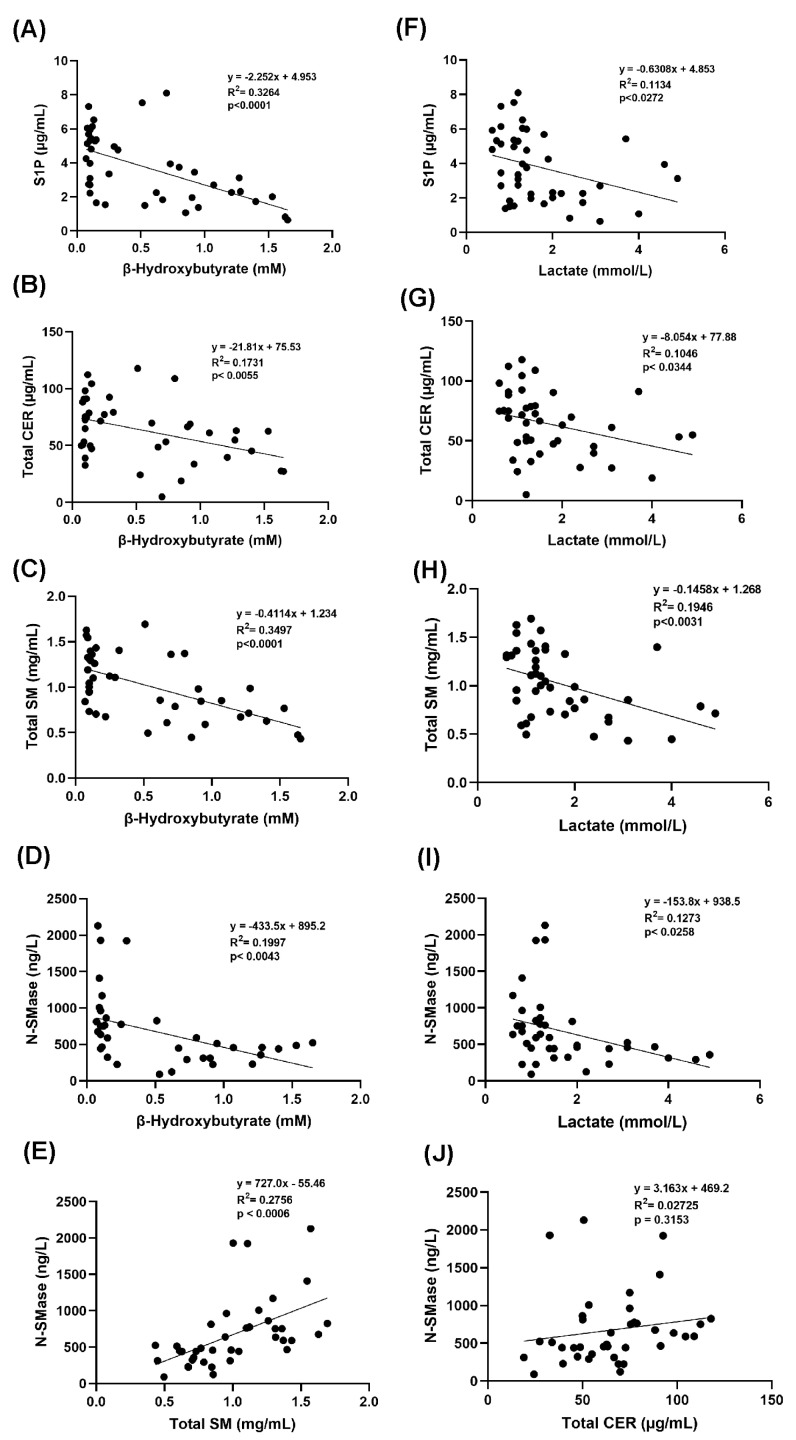 Figure 4
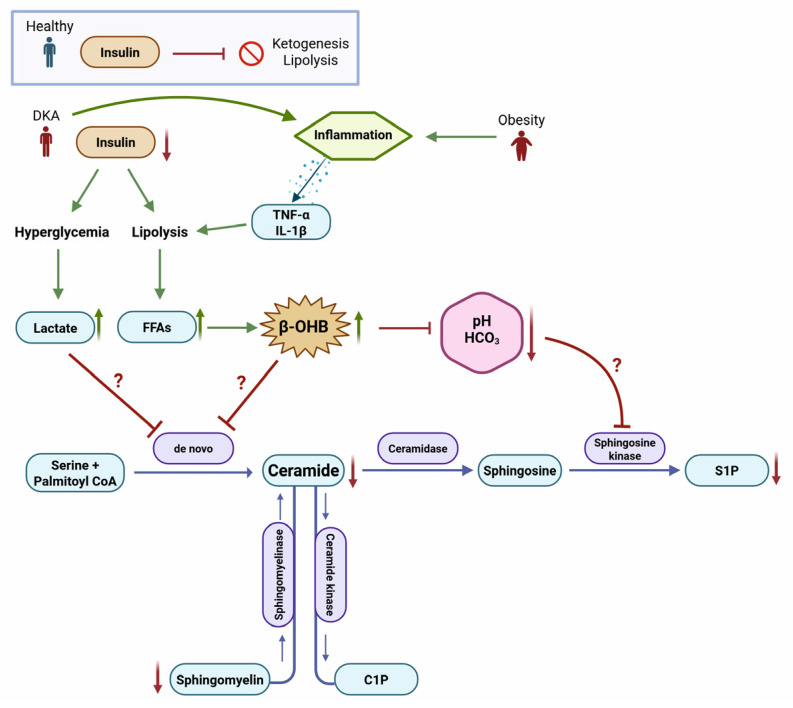 Figure 5
Peer Reviews
No public reviews on file for this paper yet. If you reviewed it on a platform where reviews are public (OpenReview, ICLR, NeurIPS, ICML), you can paste yours below so the community can read it here.
Videos
No videos yet. Explain this paper in a talk, walkthrough, or lecture? Add one.
Taxonomy
TopicsSphingolipid Metabolism and Signaling · Erythrocyte Function and Pathophysiology · Diabetes and associated disorders