Reconstruction of Electrical Burn Sequelae Using a Muscle-Sparing Latissimus Dorsi Flap: A Case Report
Alhan Fernando Castillo Valencia, David Salvador Rodriguez Arevalo, Jose Maria Zepeda Torres

TL;DR
A 54-year-old man with severe electrical burns was treated using a muscle-sparing latissimus dorsi flap to reconstruct a thoracic wound.
Contribution
The paper presents a novel muscle-sparing LD flap technique to balance reconstruction and functional preservation in electrical burn patients.
Findings
A muscle-sparing LD flap was successfully used to reconstruct a thoracic defect after high-voltage electrical burn.
The approach preserved most of the LD muscle, aiding faster rehabilitation.
The patient's wound complications were managed despite systemic challenges.
Abstract
The latissimus dorsi (LD) muscle, located in the posterior thoracolumbar region, plays a crucial role in shoulder movement, including extension, adduction, and internal rotation of the humerus. Its reliable vascular anatomy and versatility make it a frequent option in reconstructive surgery for complex defects, particularly when local tissues are compromised due to severe trauma. High-voltage electrical burns often cause deep, systemic damage, requiring surgical strategies that maximize tissue coverage while minimizing functional loss. We present the case of a 54-year-old man who presented to the emergency department after sustaining a high-voltage electrical burn. The clinical course was complicated by ischemia and purulent discharge in the upper limbs and thoracic wound, despite antibiotic therapy and primary closure attempts. A thoracic defect required debridement and was…
Genes, proteins, chemicals, diseases, species, mutations and cell lines named across the full text — each resolved to its canonical identifier and authoritative record.
Click any figure to enlarge with its caption.
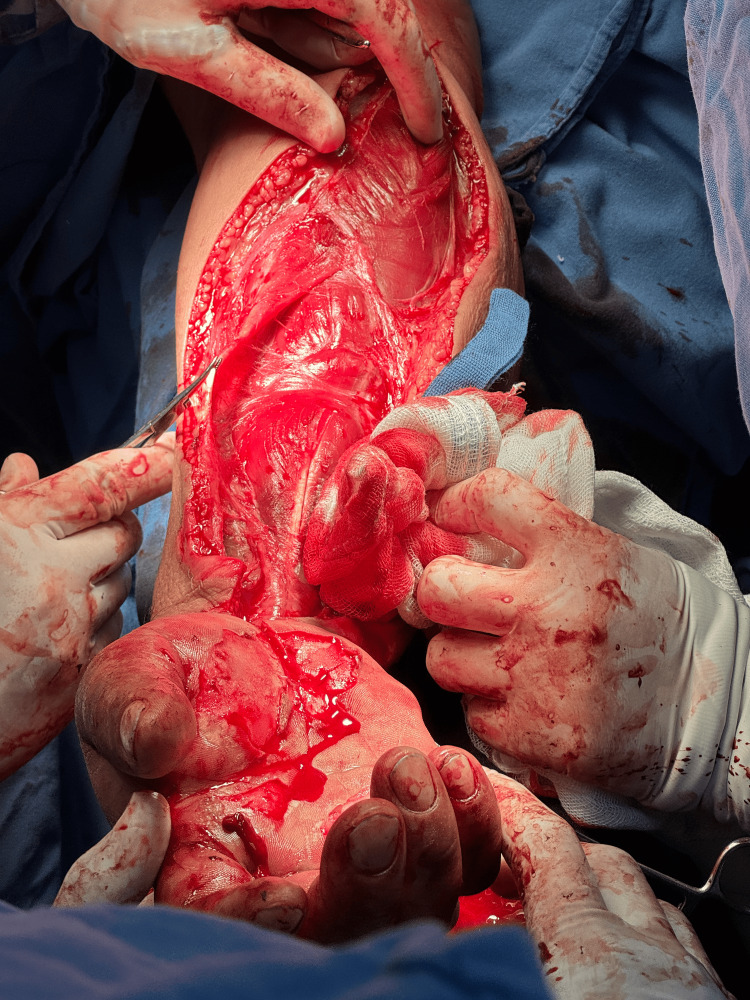 Figure 1
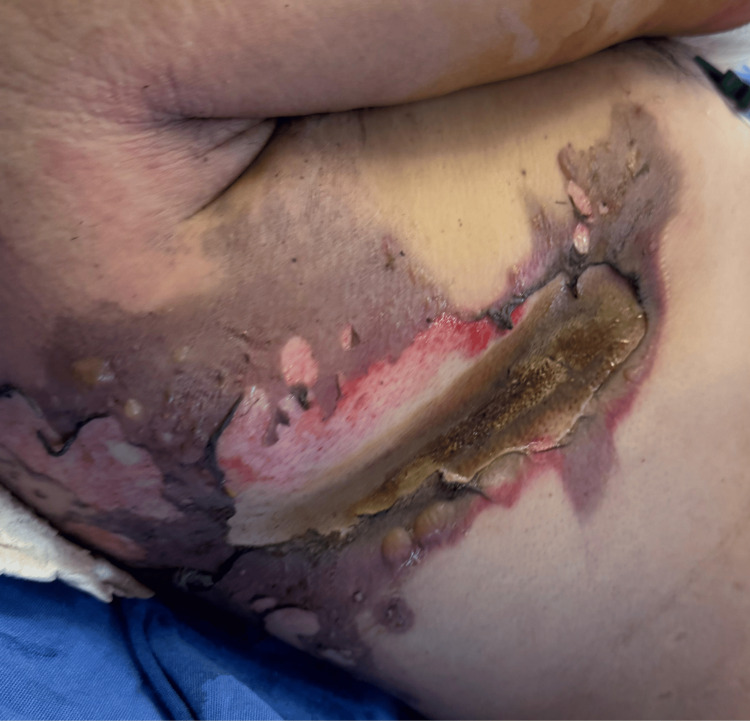 Figure 2
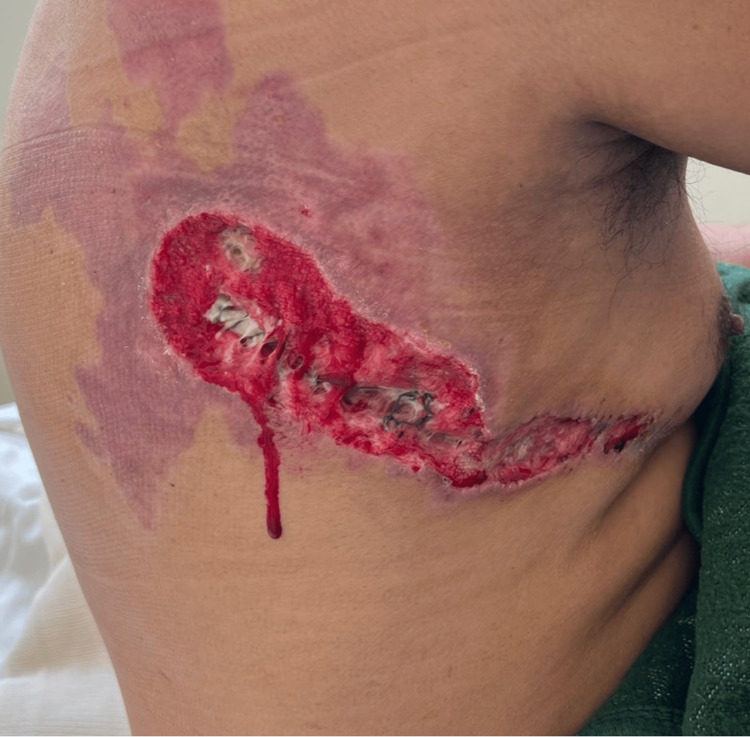 Figure 3
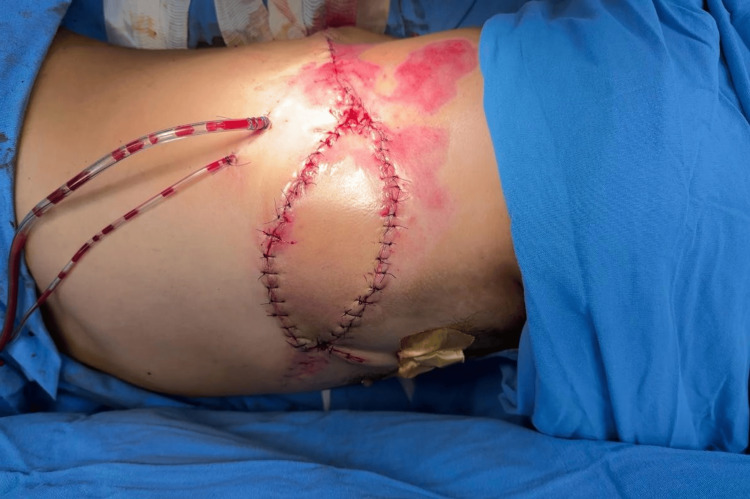 Figure 4
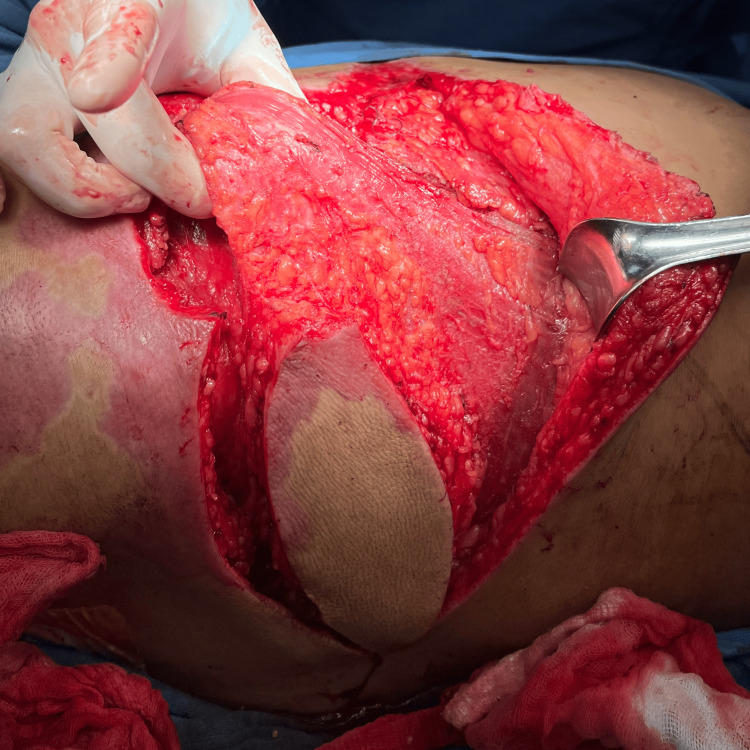 Figure 5
Peer Reviews
No public reviews on file for this paper yet. If you reviewed it on a platform where reviews are public (OpenReview, ICLR, NeurIPS, ICML), you can paste yours below so the community can read it here.
Videos
No videos yet. Explain this paper in a talk, walkthrough, or lecture? Add one.
Taxonomy
TopicsReconstructive Surgery and Microvascular Techniques · Reconstructive Facial Surgery Techniques · Facial Nerve Paralysis Treatment and Research