Identification of circulating human papillomavirus types through high-throughput sequencing of Canadian municipal and institutional wastewater samples
Shayna J. Giesbrecht, Samantha J. Krosta, Rebecca Fox, Kurt Kolsun, Zoe Quill, Suzanne Gibbons, Aida Sivro, Paul Sandstrom, Chand S. Mangat, Michael G. Becker

TL;DR
This study uses wastewater samples to detect human papillomavirus (HPV) types in Canadian communities, revealing the presence of both vaccine-preventable and potentially cancer-causing strains.
Contribution
The study introduces wastewater-based testing as a novel method to monitor circulating HPV types, including those not routinely detected in clinical settings.
Findings
24 distinct HPV types were detected in wastewater, including high-risk and vaccine-preventable types.
Institutional settings showed lower HPV diversity compared to larger urban areas.
HPV-67, HPV-69, and HPV-73 were identified as probable carcinogens not typically monitored clinically.
Abstract
Human papillomaviruses (HPVs) are a diverse group of viruses that infect human mucosal and cutaneous tissues, with a ubiquitous global distribution. Several types are classified as high-risk due to their association with cervical, anal, penile, and oropharyngeal cancers. Given its widespread prevalence and the limitations of clinical surveillance, HPV is an ideal candidate for wastewater-based testing (WBT), as a way to characterize circulating HPV types. Toward this goal, we utilized high-throughput Illumina-based amplicon sequencing targeting the conserved GP5+/GP6+ sites of HPV in wastewater samples collected from two urban treatment plants, two town sites, and three correctional facilities. Larger population catchments displayed greater diversity of HPV types in wastewater compared to institutional settings, reflecting differences in community composition and exposure. A total of 24…
Genes, proteins, chemicals, diseases, species, mutations and cell lines named across the full text — each resolved to its canonical identifier and authoritative record.
Click any figure to enlarge with its caption.
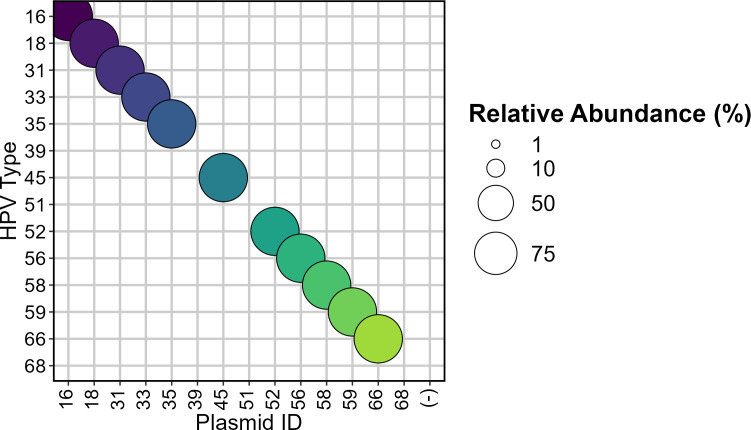 Figure 1
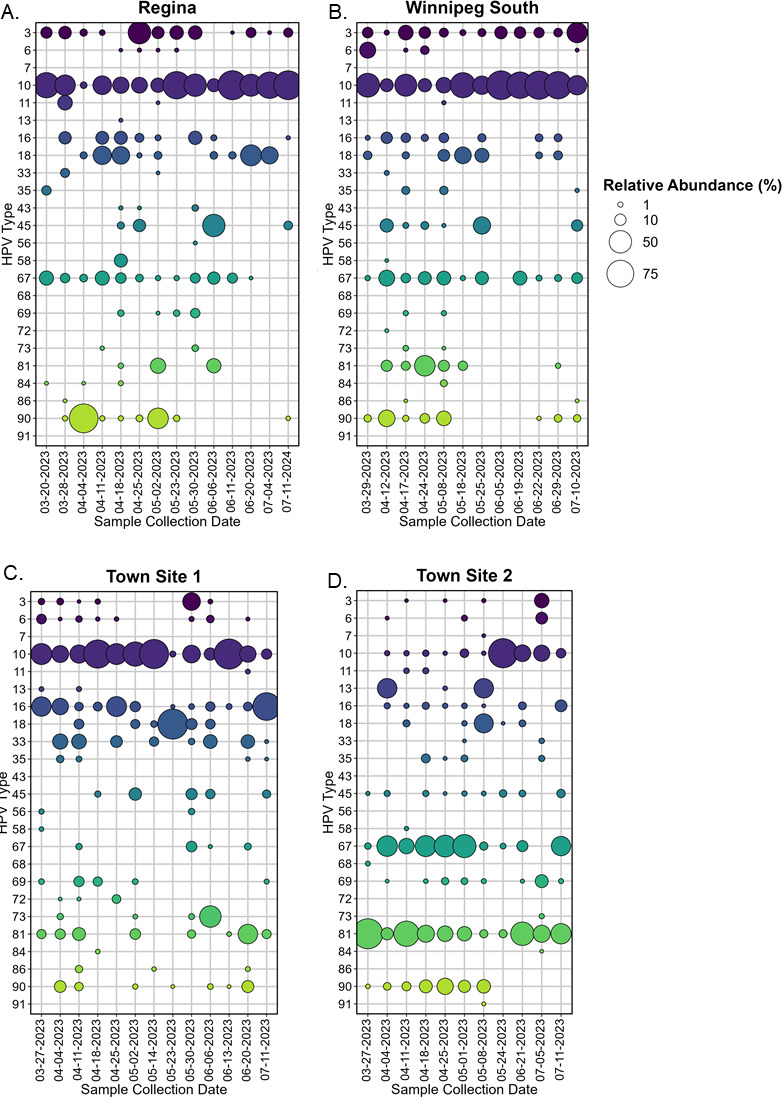 Figure 2
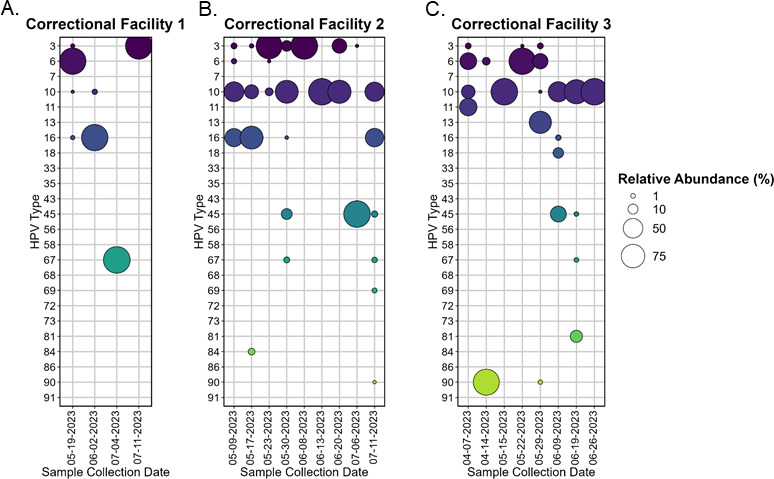 Figure 3
Peer Reviews
No public reviews on file for this paper yet. If you reviewed it on a platform where reviews are public (OpenReview, ICLR, NeurIPS, ICML), you can paste yours below so the community can read it here.
Videos
No videos yet. Explain this paper in a talk, walkthrough, or lecture? Add one.
Taxonomy
TopicsCervical Cancer and HPV Research · Molecular Biology Techniques and Applications · Microbial infections and disease research