Distinct microbiome profiles on vaginally inserted polypropylene midurethral mesh slings compared to vaginal, urinary, and skin microbiomes
Nazish Abbas, Thomas Willmott, Paul M. Campbell, Gurdeep Singh, Maya Basu, Fiona Reid, Andrew J. McBain

TL;DR
This study shows that polypropylene mesh slings used to treat urinary incontinence in women have unique microbial communities that may contribute to complications like chronic pain and mesh exposure.
Contribution
The study identifies distinct microbiome profiles on midurethral mesh slings and links microbial differences to mesh-related complications.
Findings
Mesh microbiomes were dominated by Firmicutes, Proteobacteria, and Actinobacteria, with high Enterococcus abundance.
Microbial diversity was higher on mesh compared to vaginal and skin samples, but not urine.
Differences in mesh microbiomes were associated with clinical complications like chronic pain.
Abstract
Midurethral slings are widely used in the treatment of stress urinary incontinence in women. However, little is known about the microbiomes that develop on these implants, their relationship to the urinary and vaginal microbiomes, or their potential role in mesh-related complications. In this study, we characterized the microbiomes of explanted midurethral slings and examined associations with clinical complications. Seventy-four women provided a total of 397 samples, including explanted mesh, urine, and swabs from the vagina and groin or suprapubic skin. Participants were categorized into clinical groups: chronic pain, vaginal mesh exposure, lower urinary tract perforation, or recurrent incontinence (control group). Samples underwent 16S rRNA gene sequencing. The mesh microbiome was dominated by Firmicutes, Proteobacteria, and Actinobacteria, with Enterococcus particularly abundant.…
Genes, proteins, chemicals, diseases, species, mutations and cell lines named across the full text — each resolved to its canonical identifier and authoritative record.
Click any figure to enlarge with its caption.
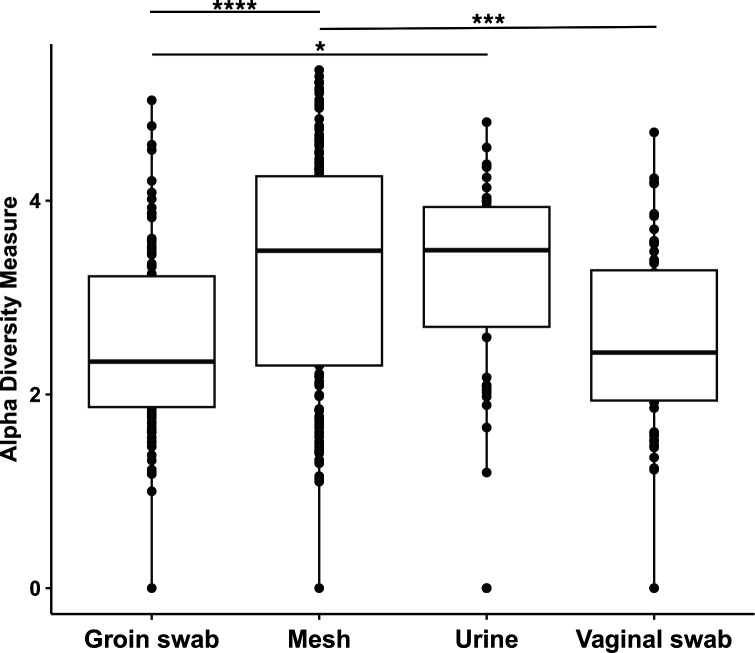 Figure 1
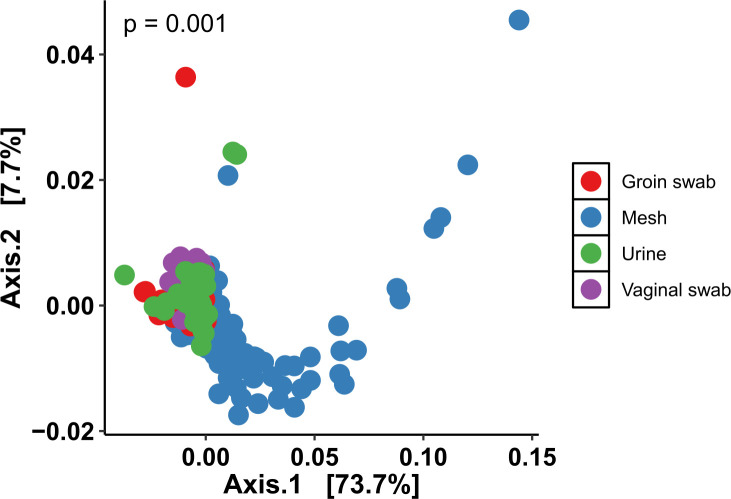 Figure 2
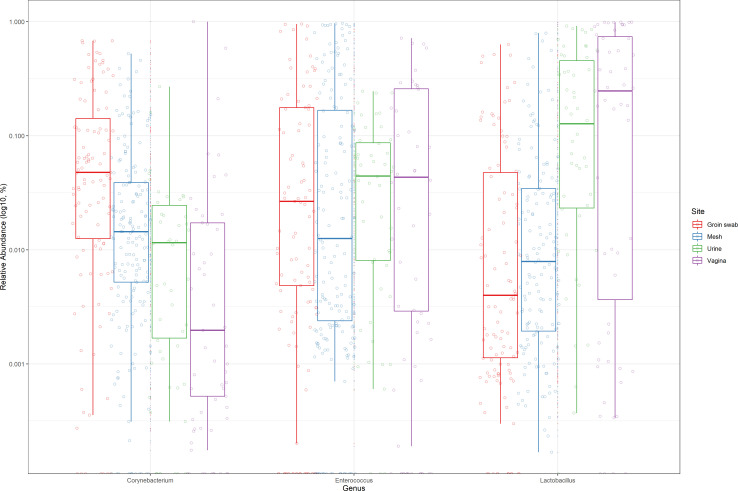 Figure 3
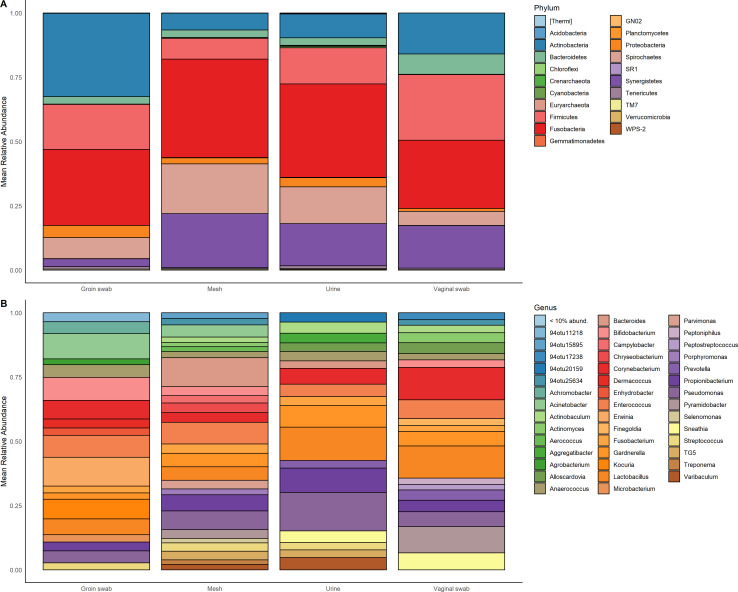 Figure 4
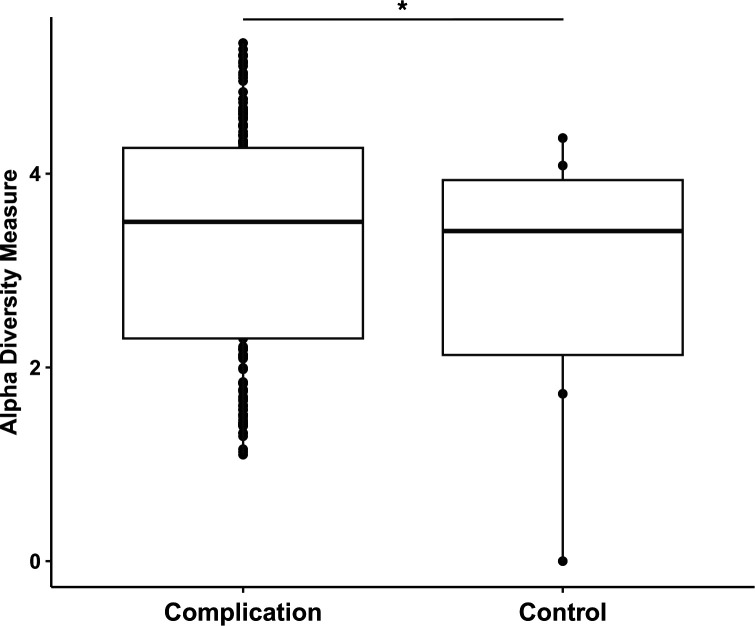 Figure 5
 Figure 6
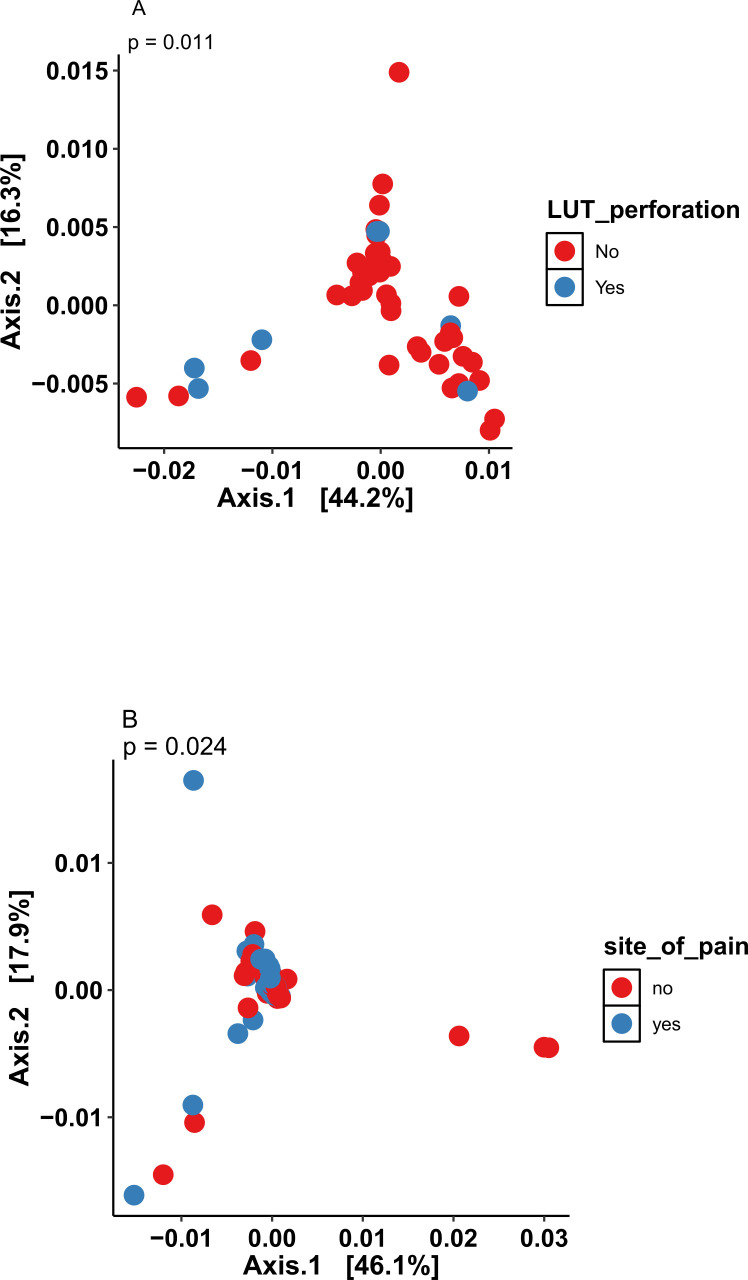 Figure 7
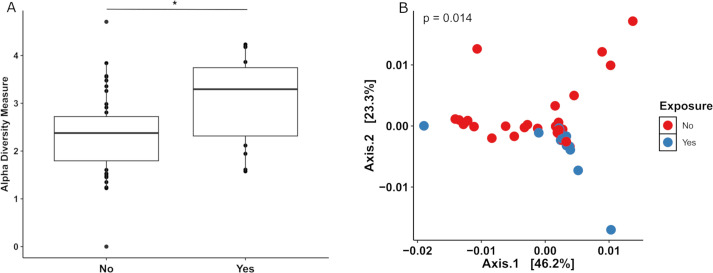 Figure 8
Peer Reviews
No public reviews on file for this paper yet. If you reviewed it on a platform where reviews are public (OpenReview, ICLR, NeurIPS, ICML), you can paste yours below so the community can read it here.
Videos
No videos yet. Explain this paper in a talk, walkthrough, or lecture? Add one.
Taxonomy
TopicsPelvic floor disorders treatments · Urinary Tract Infections Management · Urinary Bladder and Prostate Research