Filamentous prophages in the genomes of Acinetobacter baumannii from egypt: impact on biofilm formation and the potential to induce enterotoxicity
Samira M. Hamed, Amira Abdel‑Daim, Samer A. Tadros, Mai M. Zafer

TL;DR
This study explores how filamentous prophages in Acinetobacter baumannii may increase biofilm formation and cause enterotoxic effects.
Contribution
The study identifies filamentous prophages in A. baumannii and links them to enhanced virulence traits like biofilm formation and enterotoxicity.
Findings
Filamentous prophages were found in global clones GC1, GC7, and GC9 of A. baumannii.
Zot-positive isolates showed significantly higher biofilm formation and cytotoxicity compared to zot-negative isolates.
Intraperitoneal injection of CFS from zot-positive strains caused severe diarrhea and intestinal tissue changes in mice.
Abstract
Filamentous phages (FPs) have been recently isolated from Acinetobacter baumannii. While FPs are known to modulate the virulence of some Gram-negative pathogens, their role in A. baumannii has not been fully explored. This study analyzed 18 clinical isolates of A. baumannii from global clones (GC), with draft genomes generated by Illumina sequencing. All isolates were screened for filamentous prophage (FPP) genomes using the Zonula occludens toxin (Zot)-coding gene as a marker. Nine out of the 18 isolates were found to carry zot genes. The complete sequences of four FPPs were predicted. FPPs were exclusively found within GC1, GC7, and GC9 strains. Among the A. baumannii genomes deposited in the NCBI genomic database, FPPs were found to be disseminated in 42 Pasteur STs spanning at least six GCs, most commonly GC1. The impact of FPs on biofilm formation in A. baumannii was investigated…
Genes, proteins, chemicals, diseases, species, mutations and cell lines named across the full text — each resolved to its canonical identifier and authoritative record.
Click any figure to enlarge with its caption.
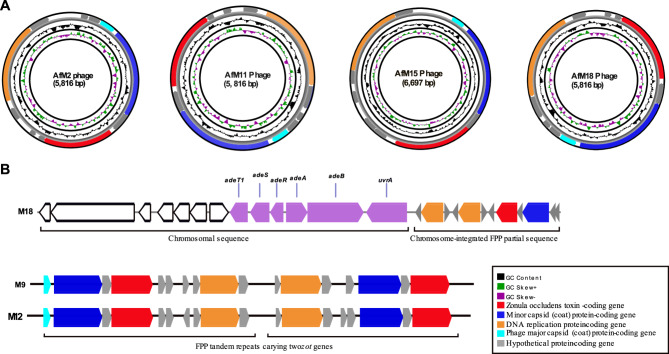 Figure 1
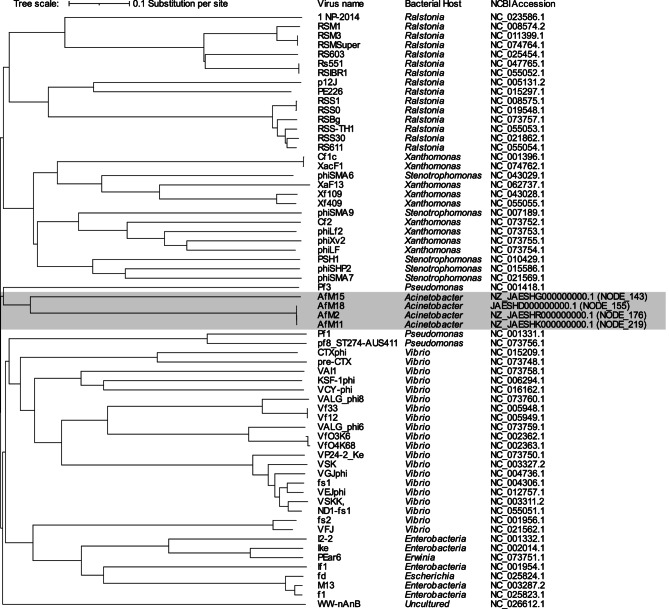 Figure 2
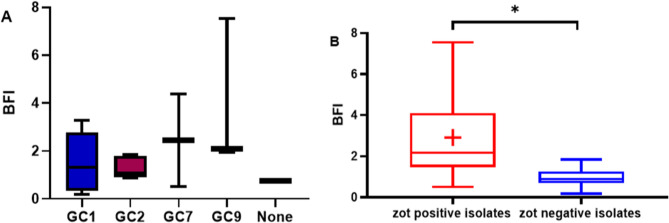 Figure 3
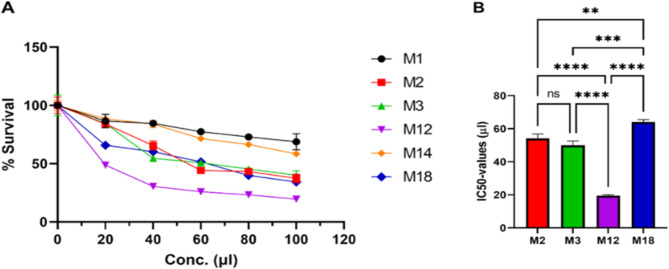 Figure 4
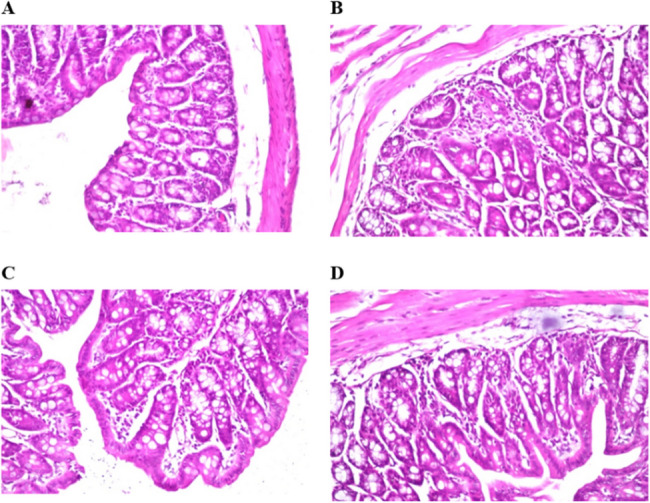 Figure 5
Peer Reviews
No public reviews on file for this paper yet. If you reviewed it on a platform where reviews are public (OpenReview, ICLR, NeurIPS, ICML), you can paste yours below so the community can read it here.
Videos
No videos yet. Explain this paper in a talk, walkthrough, or lecture? Add one.
Taxonomy
TopicsAntibiotic Resistance in Bacteria · Bacteriophages and microbial interactions · Vibrio bacteria research studies