Resource reallocation under persistent immune activation drives trade-offs between life history and immunity in pirk-deficient Musca domestica
Ting Tang, Lan Yang, Liya Ma, Yu Ren, Mengnan Li, Shufan Guo, Xin Wang, Yuming Zhang, Fengsong Liu

TL;DR
This study shows that house flies with a defective immune gene use more energy for immunity, which harms their growth and reproduction.
Contribution
The study reveals metabolic reprogramming in pirk-deficient house flies due to persistent immune activation.
Findings
Pirk deficiency leads to sustained immune activation and increased resistance to bacterial infections.
Metabolic shifts in pirk-KO flies prioritize ATP production over biomass synthesis, affecting growth and reproduction.
Pirk-KO flies show elevated food intake and altered sugar levels but reduced glycogen and triglycerides.
Abstract
The activation of the immune system by pathogens imposes significant energetic costs on hosts, which may result in the diversion of resources away from other non-essential biological processes, such as growth and reproduction. The underlying mechanisms of trade-offs between immune responses and host fitness remain poorly understood. We used a Musca domestica mutant (pirk-KO) to evaluate the influence of non-infection-induced immune system activation on female reproduction and larval growth. Pirk, a negative feedback inhibitor of the immune deficiency (Imd) pathway expressed in intestine and fat body, was induced by bacteria. pirk loss enhanced the immune response of house flies, reflected in sustained upregulated antimicrobial peptide gene expression and improved resistance to bacterial infections. The phenotypic traits of pirk-KO house flies, including delayed larval growth, reduced…
Genes, proteins, chemicals, diseases, species, mutations and cell lines named across the full text — each resolved to its canonical identifier and authoritative record.
Click any figure to enlarge with its caption.
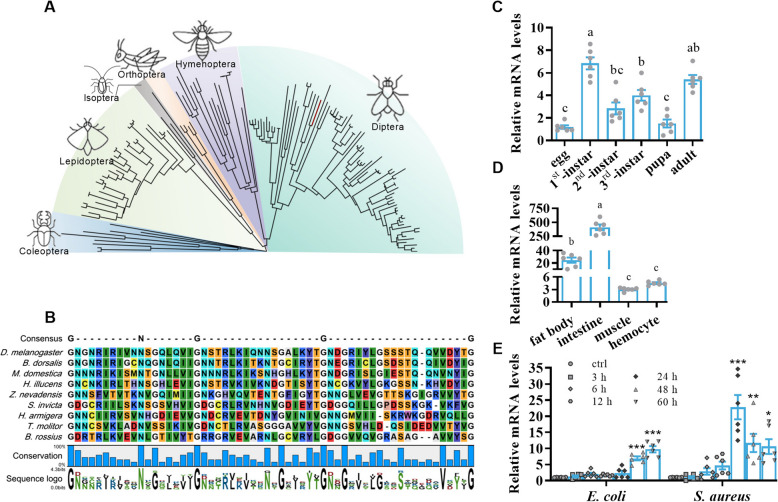 Figure 1
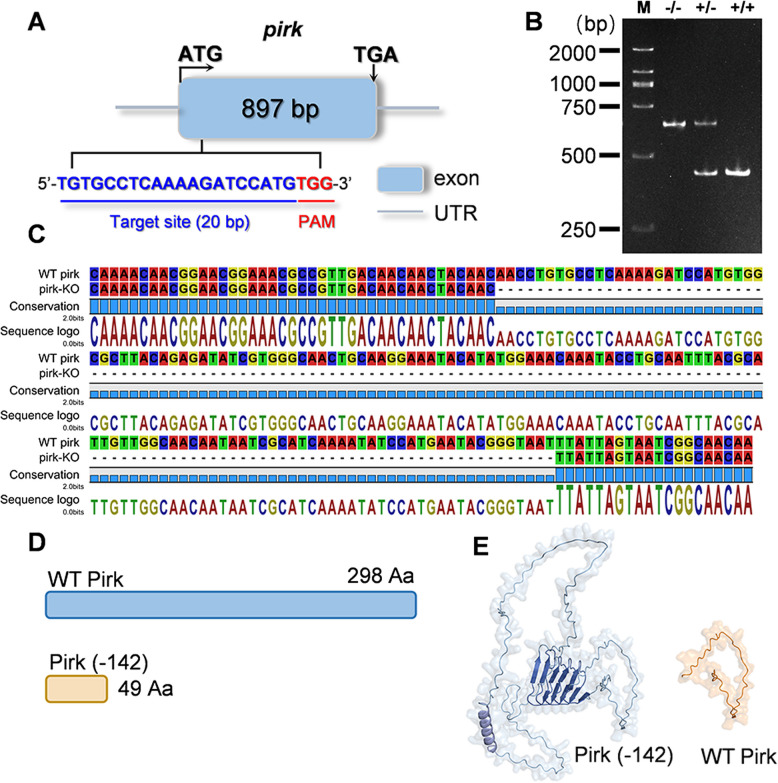 Figure 2
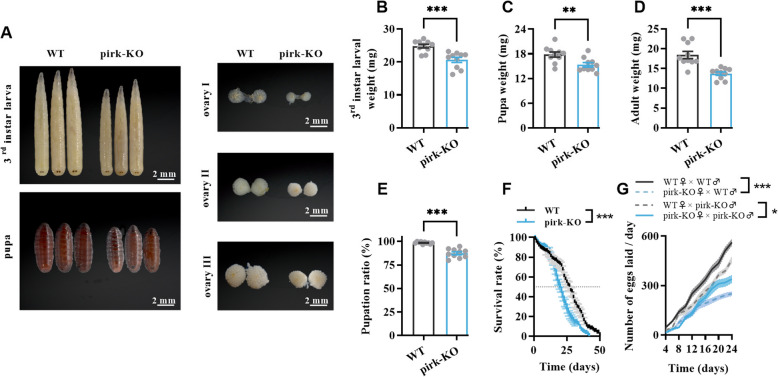 Figure 3
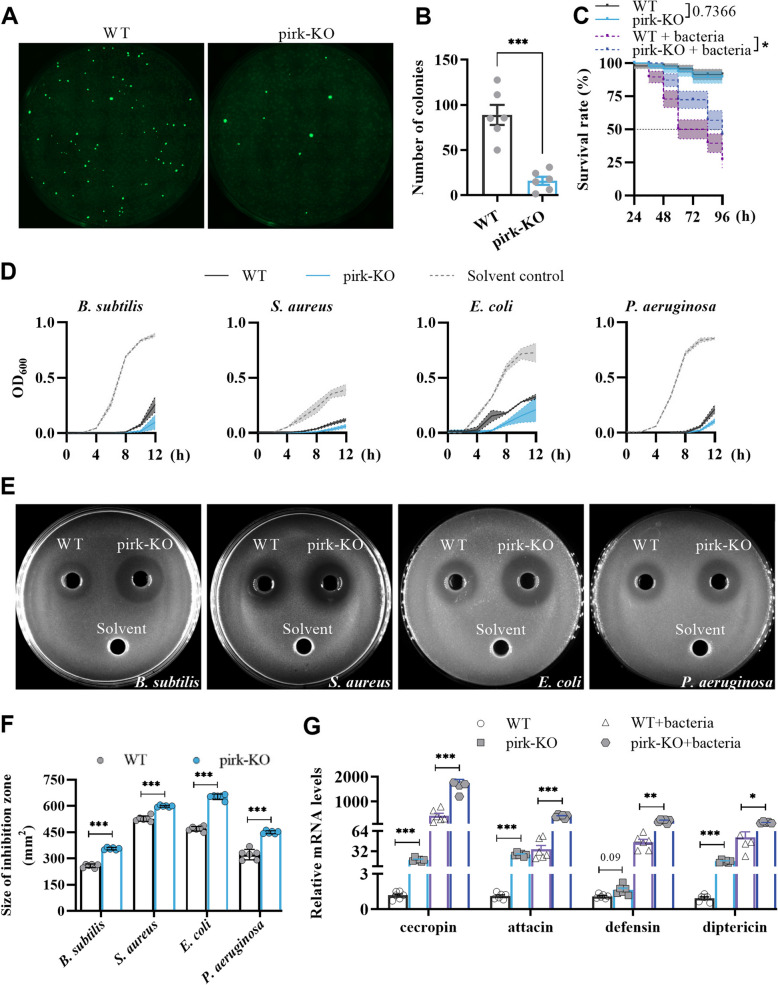 Figure 4
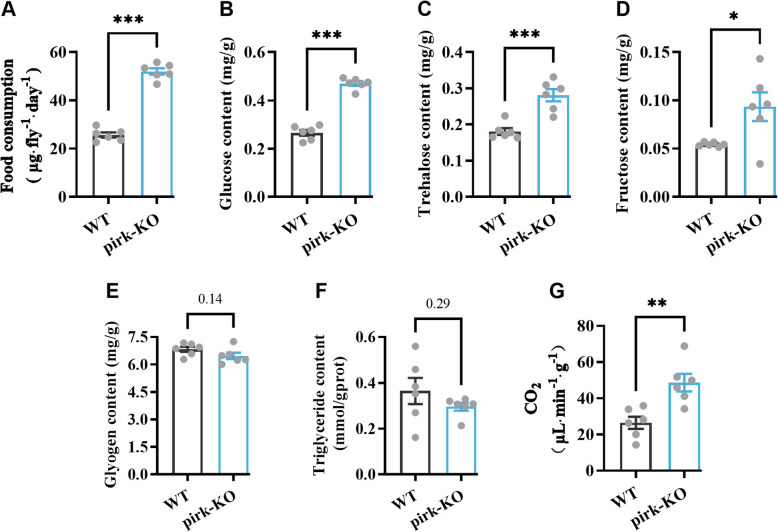 Figure 5
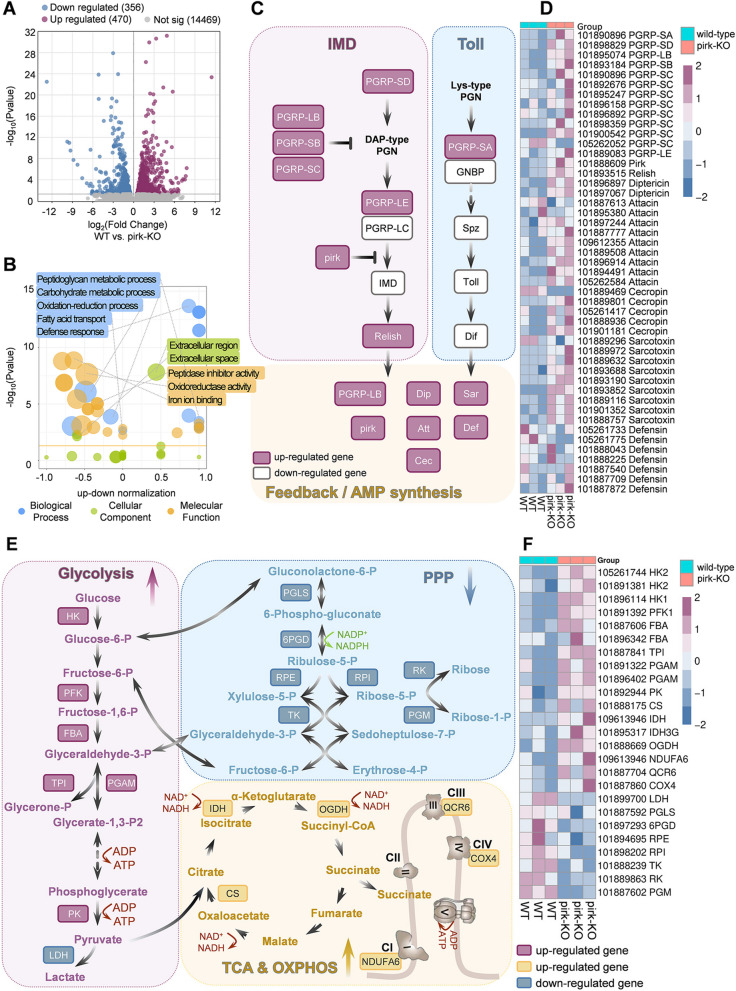 Figure 6
Peer Reviews
No public reviews on file for this paper yet. If you reviewed it on a platform where reviews are public (OpenReview, ICLR, NeurIPS, ICML), you can paste yours below so the community can read it here.
Videos
No videos yet. Explain this paper in a talk, walkthrough, or lecture? Add one.
Taxonomy
TopicsInvertebrate Immune Response Mechanisms · Insect Utilization and Effects · Insect symbiosis and bacterial influences