Neisseria meningitidis regulates P-glycoprotein transporter activity in brain endothelial cells via sphingosine 1–phosphate receptor 1
Fatemeh Nosratabadi, Leo M. Endres, Fabian Schumacher, Heike Claus, Burkhard Kleuser, Brandon J. Kim, Alexandra Schubert-Unkmeir

TL;DR
This study shows that Neisseria meningitidis disrupts a key brain barrier transporter, P-glycoprotein, through a specific receptor pathway, offering a new therapeutic target for bacterial infections.
Contribution
The study identifies S1PR1 signaling as a novel mechanism by which N. meningitidis impairs P-glycoprotein activity in brain endothelial cells.
Findings
N. meningitidis infection inhibits P-glycoprotein activity without altering its gene expression or protein levels.
The inhibitory effect of N. meningitidis on P-glycoprotein is mediated through S1PR1 signaling, as shown by the blocking effect of S1PR1 antagonists.
The capsule polysaccharide of N. meningitidis is a key factor in modulating P-glycoprotein activity.
Abstract
The brain endothelial cells (BECs) are essential for protecting the central nervous system (CNS) from xenobiotics and pathogens, including Neisseria meningitidis, while maintaining CNS homeostasis through tight junction (TJ) proteins and specialized transporters. Among these, multidrug resistance (MDR) transporters such as P-glycoprotein (P-gp) and breast cancer resistance protein (BCRP) are pivotal in restricting the entry of neurotoxic substances. Although the impact of N. meningitidis infection on BBB TJ is well-documented, its effect on MDR transporters remains largely unexplored. We employed induced pluripotent stem cell-derived brain-like endothelial cells (iBECs) as an in vitro BECs model due to their human-like morphology and expression of junctional proteins and MDR transporters. iBECs were exposed to various N. meningitidis strains, isogenic mutants, heat-inactivated…
Genes, proteins, chemicals, diseases, species, mutations and cell lines named across the full text — each resolved to its canonical identifier and authoritative record.
Click any figure to enlarge with its caption.
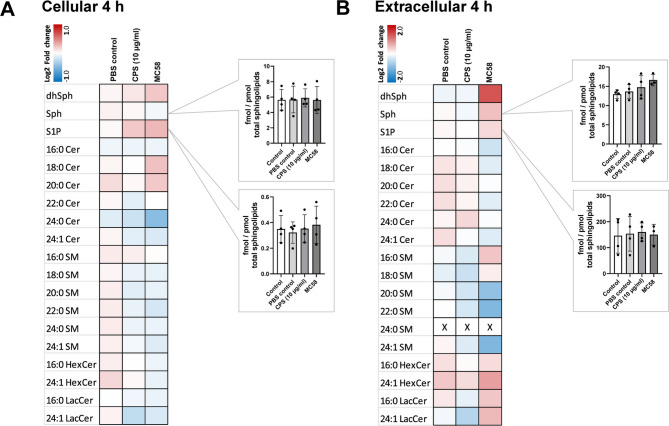 Figure 1
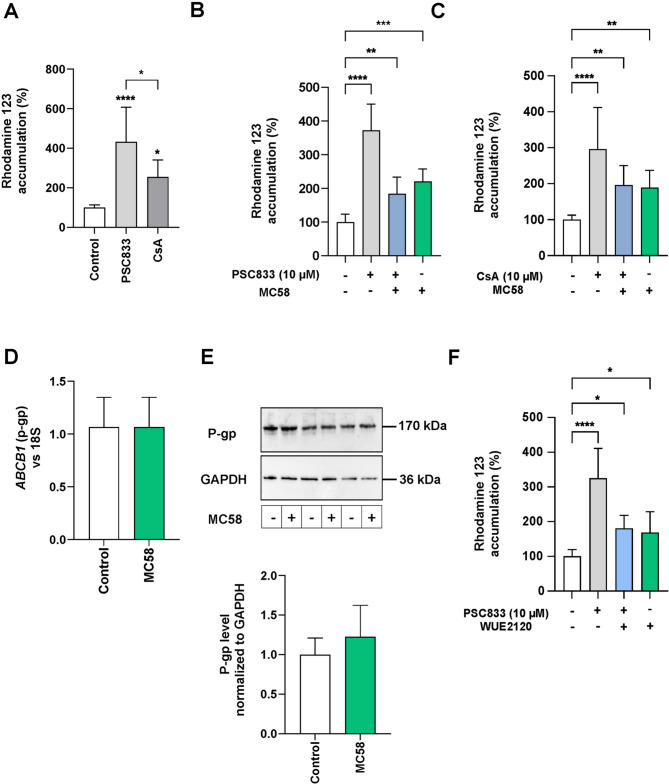 Figure 2
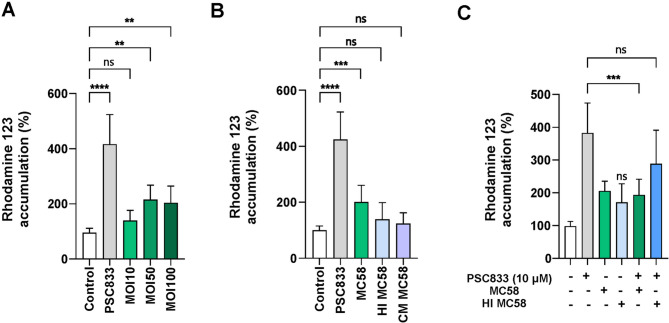 Figure 3
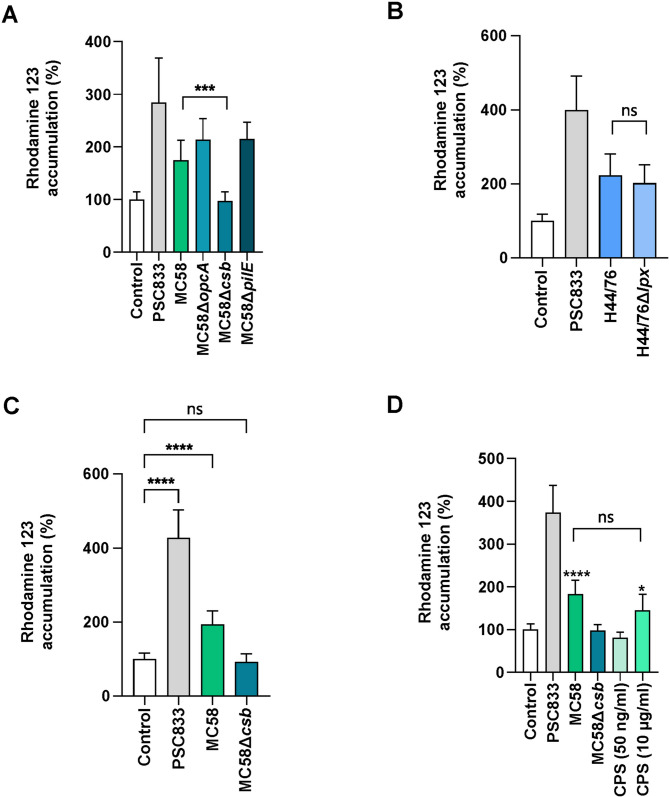 Figure 4
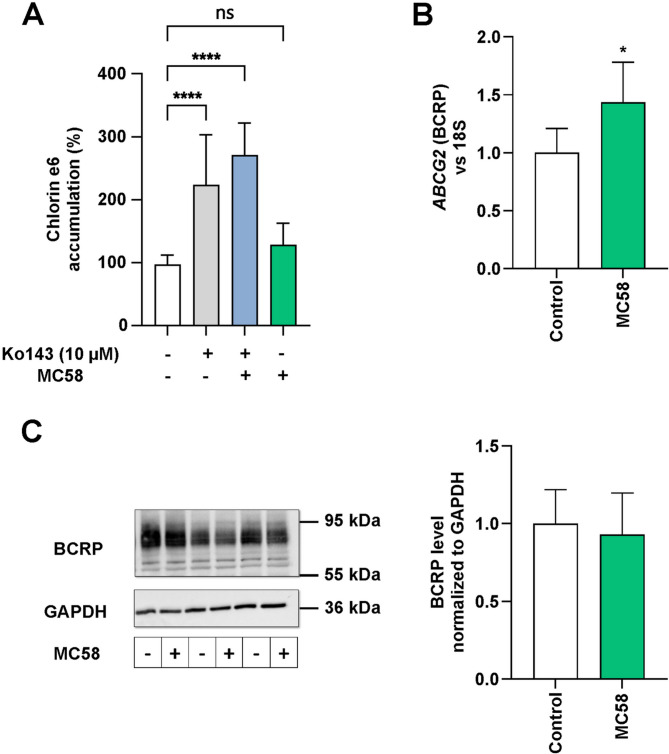 Figure 5
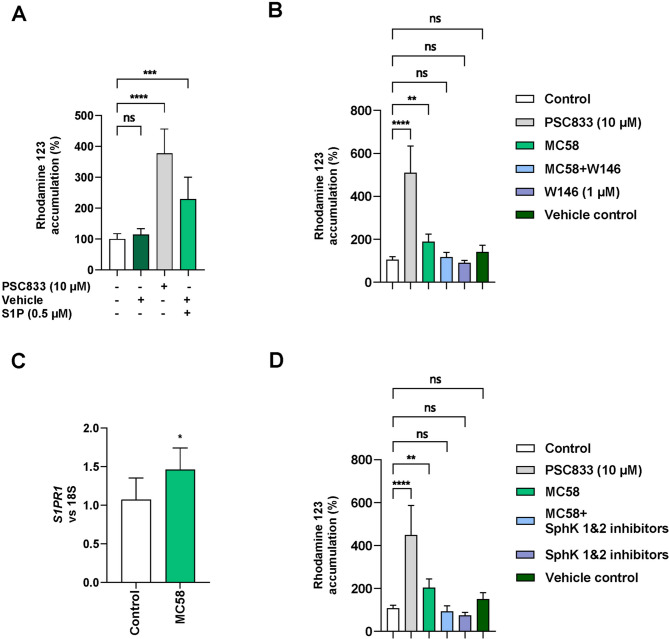 Figure 6
Peer Reviews
No public reviews on file for this paper yet. If you reviewed it on a platform where reviews are public (OpenReview, ICLR, NeurIPS, ICML), you can paste yours below so the community can read it here.
Videos
No videos yet. Explain this paper in a talk, walkthrough, or lecture? Add one.
Taxonomy
TopicsDrug Transport and Resistance Mechanisms · Amoebic Infections and Treatments · Pediatric Hepatobiliary Diseases and Treatments