Engineered Endosymbionts that Modulate Primary Macrophage Function and Attenuate Tumor Growth by Shifting the Tumor Microenvironment
Cody S. Madsen, Ashley V. Makela, Chima V. Maduka, Emily M. Greeson, Anthony Tundo, Evran Ural, Satyajit Hari Kulkarni, Ahmed A. Zarea, Matti Kiupel, Maryam Sayadi, Christopher H. Contag

TL;DR
Scientists engineered bacteria that live inside immune cells to change their behavior and reduce tumor growth in mice.
Contribution
They developed engineered endosymbionts that secrete transcription factors to modulate macrophage function and tumor microenvironments.
Findings
Engineered strains altered macrophage gene expression and metabolic patterns in vitro.
In vivo, the strains shifted immune cell composition and reduced tumor growth in a breast cancer model.
Multiple doses of the strains were well-tolerated in mice.
Abstract
Modulating gene expression in macrophages can be used to improve tissue regeneration and redirect tumor microenvironments (TMEs) toward positive therapeutic outcomes. We have developed as an engineered endosymbiont (EES) capable of residing inside the eukaryotic host cell cytoplasm and controlling the fate of macrophages. Secretion of mammalian transcription factors (TFs) from that expresses listeriolysin O (LLO; allowing the EES to escape destruction by the macrophage) modulated expression of surface markers, cytokines, and chemokines, indicating functional changes in a macrophage/monocyte cell line. The engineered LLO TF strains were evaluated in murine bone marrow-derived macrophages (BMDMs) by flow cytometry, chemokine/cytokine profiling, metabolic assays, and RNA-Seq delivery of TFs by the EES shifted BMDM gene expression, production of cytokine and chemokines, and metabolic…
Genes, proteins, chemicals, diseases, species, mutations and cell lines named across the full text — each resolved to its canonical identifier and authoritative record.
Click any figure to enlarge with its caption.
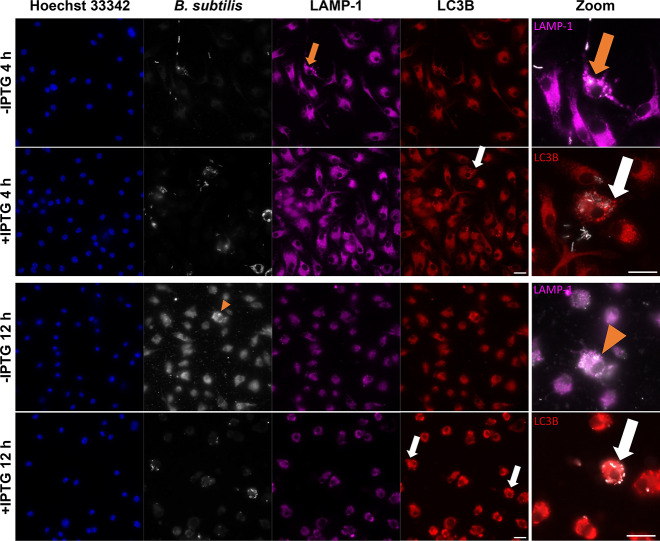 Figure 1
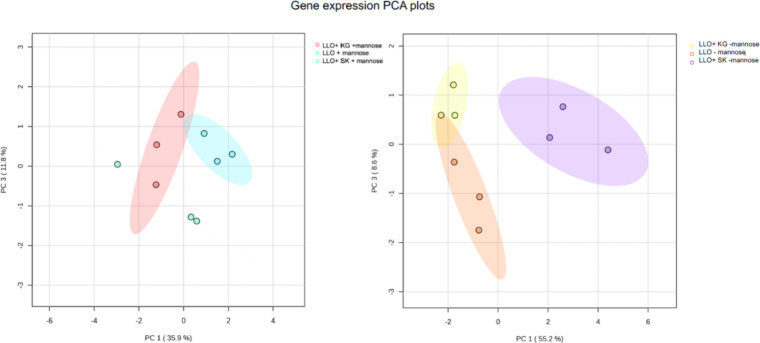 Figure 2
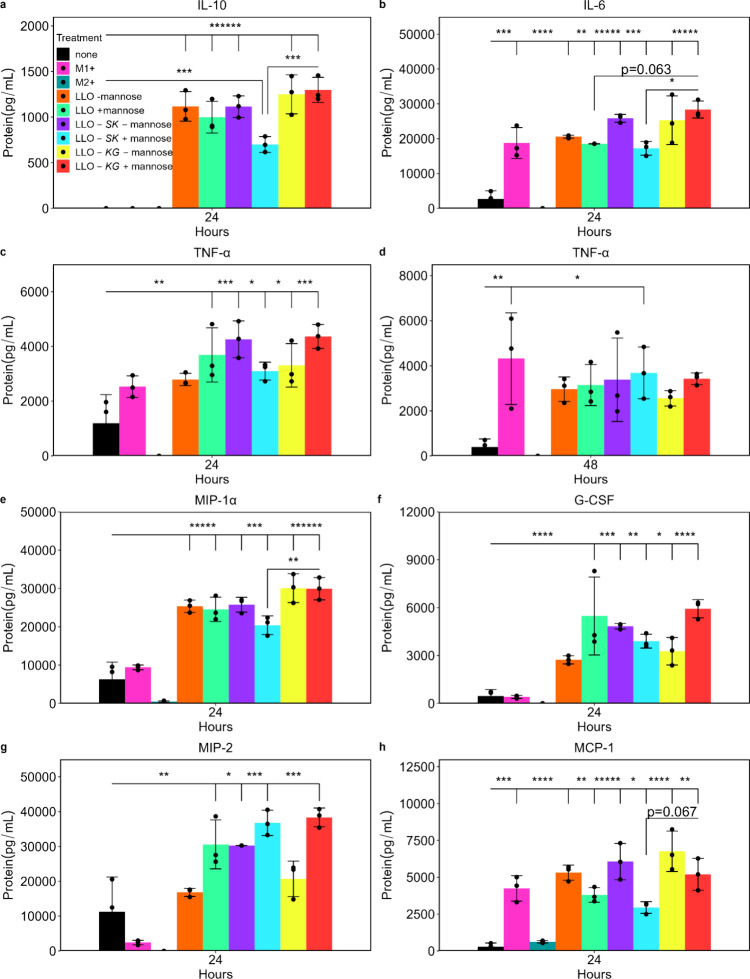 Figure 3
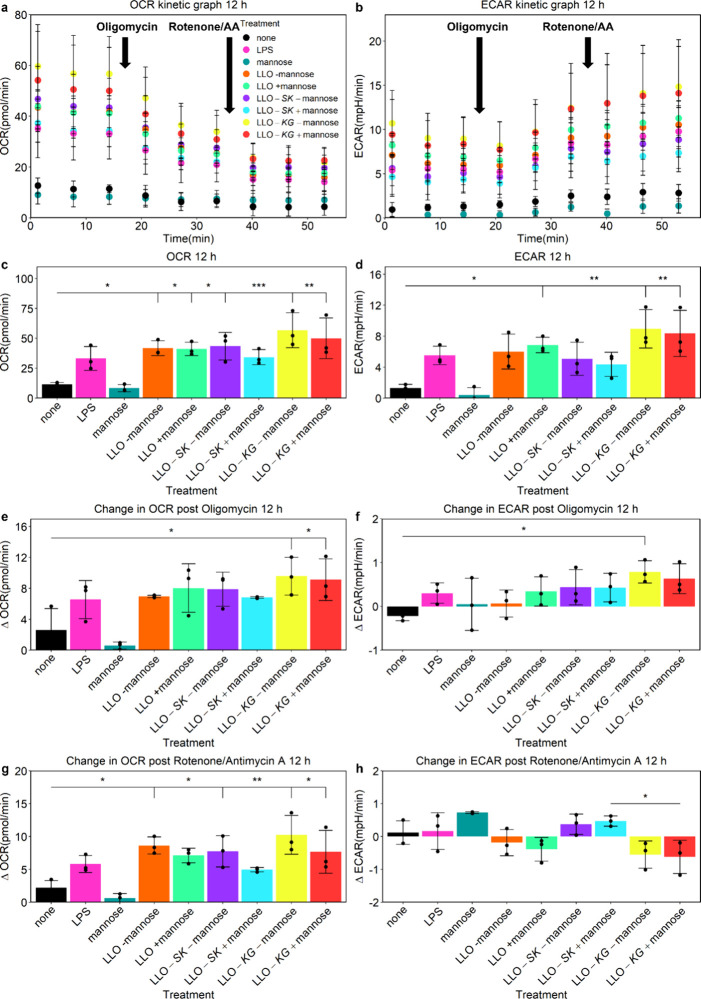 Figure 4
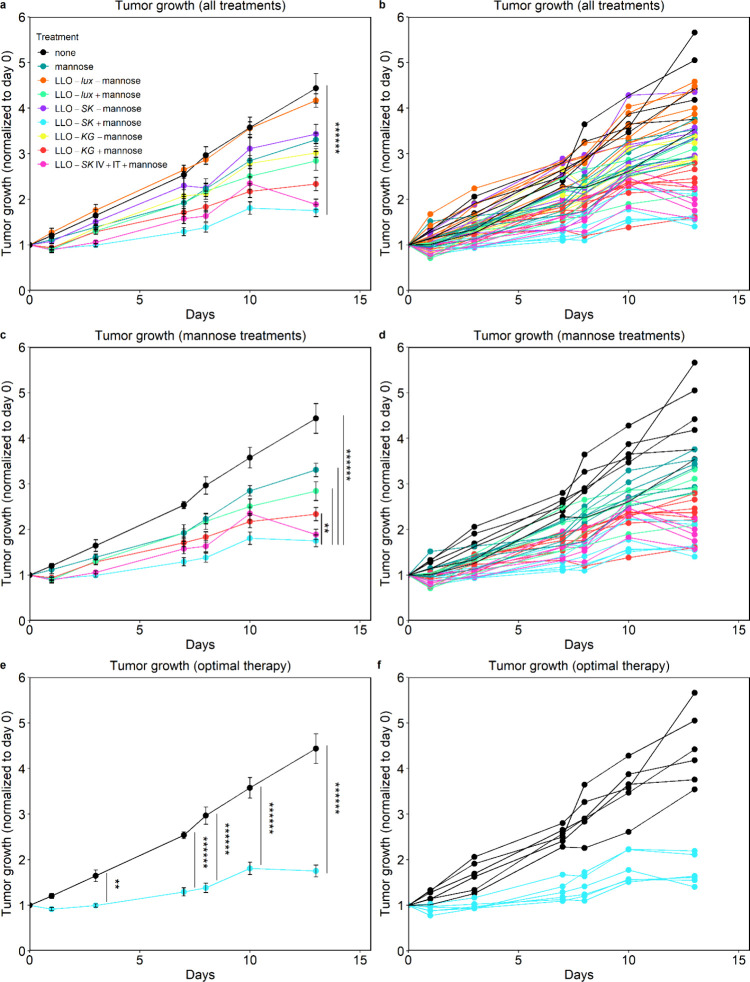 Figure 5
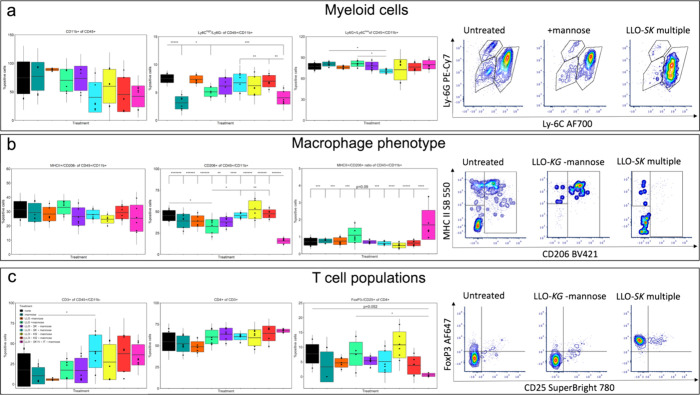 Figure 6
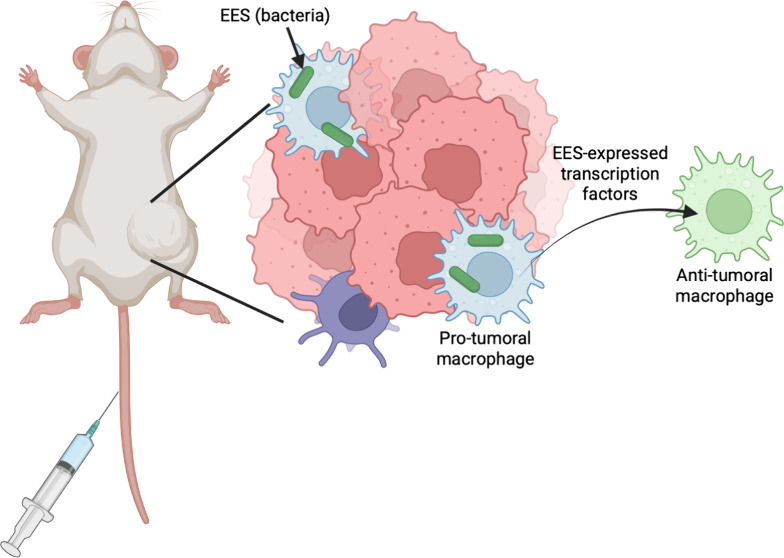 Figure 7
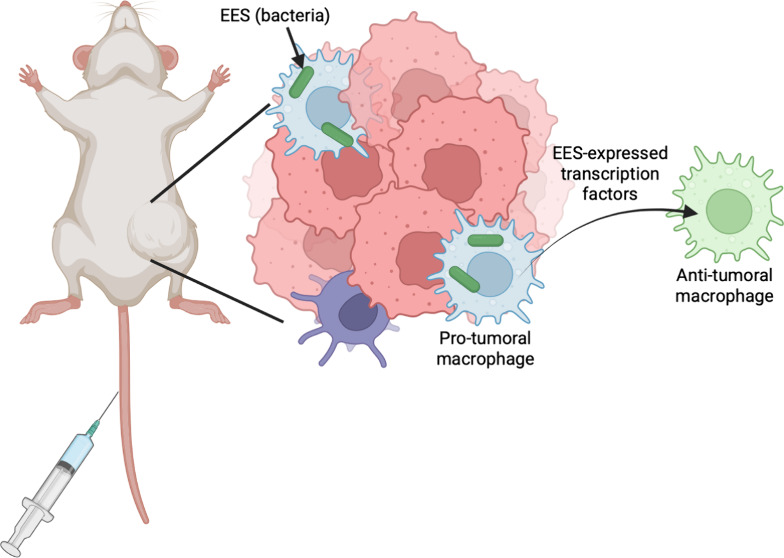 Figure 8
Peer Reviews
No public reviews on file for this paper yet. If you reviewed it on a platform where reviews are public (OpenReview, ICLR, NeurIPS, ICML), you can paste yours below so the community can read it here.
Videos
No videos yet. Explain this paper in a talk, walkthrough, or lecture? Add one.
Taxonomy
TopicsCancer Research and Treatments · Nanoplatforms for cancer theranostics · Graphene and Nanomaterials Applications