Erythema Multiforme-Like Lesions Revealing Systemic Lupus Erythematosus
Hanae Tassine, Abire Allaoui, Abdelhamid Naitlhou

TL;DR
A rare case of skin lesions revealing systemic lupus is presented, with successful treatment using corticosteroids and hydroxychloroquine.
Contribution
A case report of Rowell syndrome with successful treatment and clinical improvement is documented.
Findings
A 69-year-old woman presented with severe EM-like lesions and systemic symptoms consistent with SLE.
Treatment with corticosteroids and hydroxychloroquine led to significant clinical and biological improvement.
The case highlights the importance of recognizing Rowell syndrome for timely and effective management.
Abstract
Rowell syndrome is a rare clinical entity, defined by the association of systemic lupus erythematosus (SLE) and erythema multiforme (EM)-like skin lesions, accompanied by distinctive immunological findings such as a speckled antinuclear antibody (ANA) pattern. It predominantly affects women and requires specific diagnostic criteria. Management depends on the extent and severity of organ involvement. We report the case of a 69-year-old woman who developed severe mucocutaneous erythema multiforme-like lesions and systemic symptoms. Clinical and laboratory findings supported the diagnosis of SLE. Targeted treatment combining corticosteroids and hydroxychloroquine resulted in marked clinical and biological improvement.
Genes, proteins, chemicals, diseases, species, mutations and cell lines named across the full text — each resolved to its canonical identifier and authoritative record.
Click any figure to enlarge with its caption.
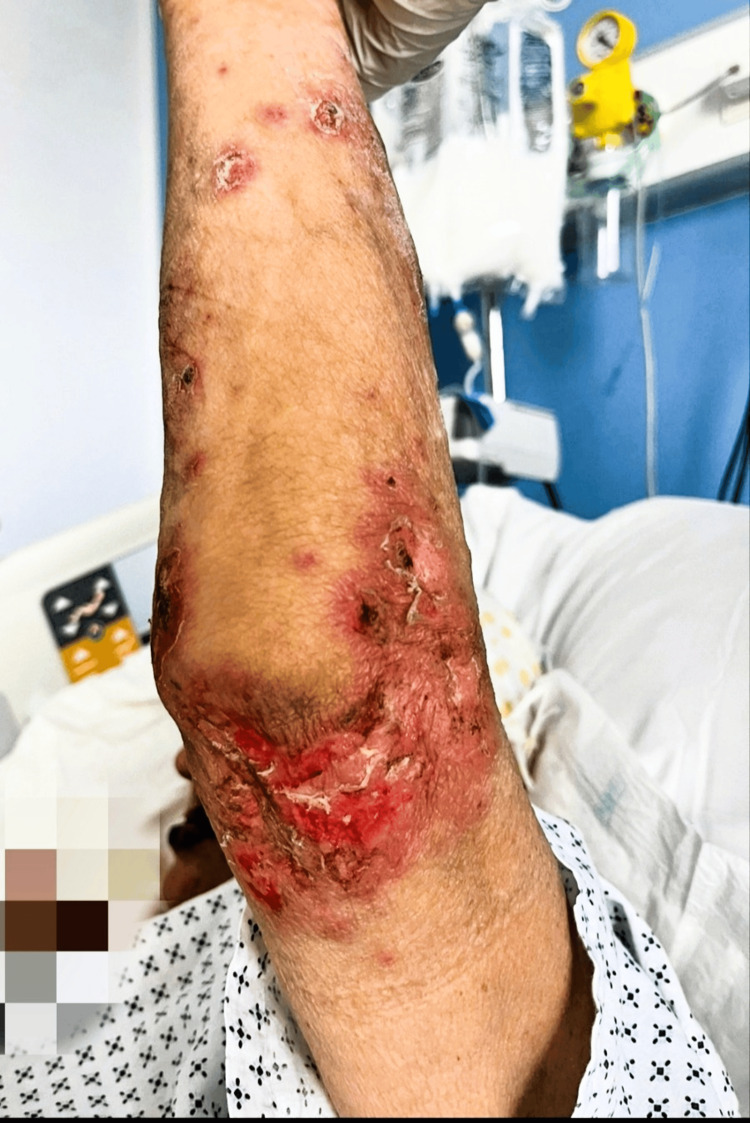 Figure 1
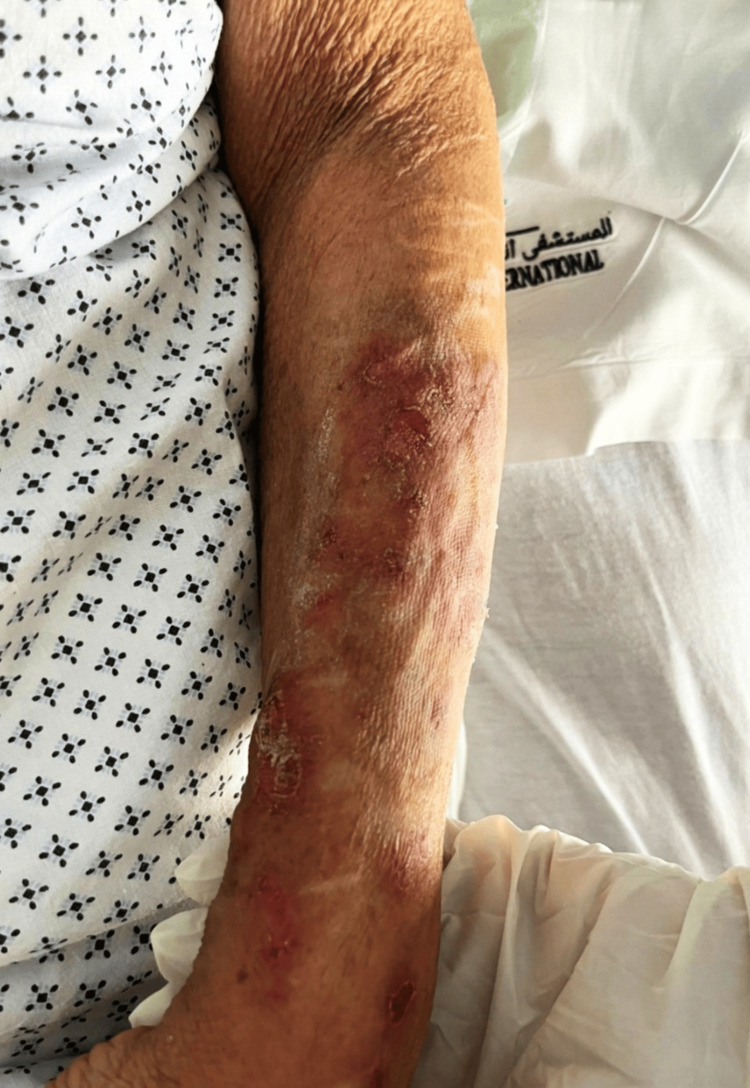 Figure 2
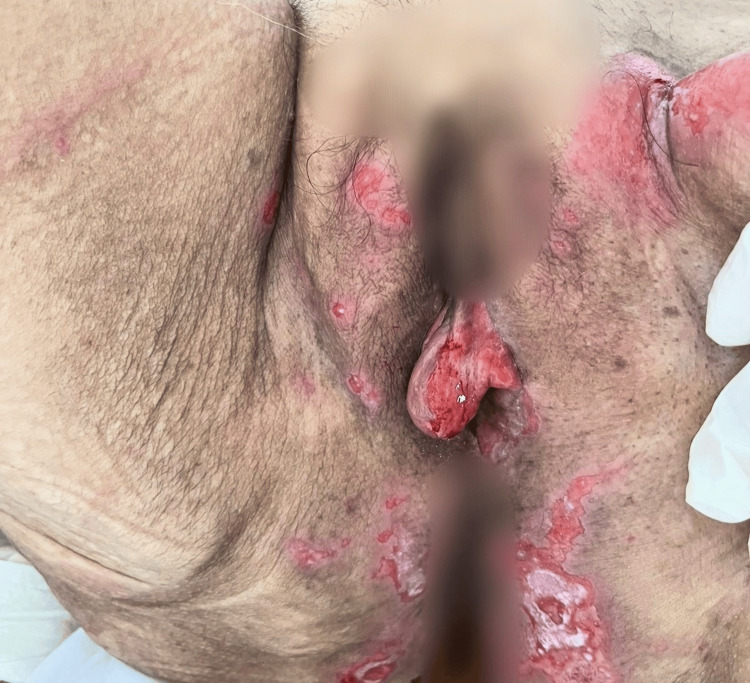 Figure 3
Peer Reviews
No public reviews on file for this paper yet. If you reviewed it on a platform where reviews are public (OpenReview, ICLR, NeurIPS, ICML), you can paste yours below so the community can read it here.
Videos
No videos yet. Explain this paper in a talk, walkthrough, or lecture? Add one.
Taxonomy
TopicsEosinophilic Disorders and Syndromes