Antineoplastic Effects of Thymoquinone on Pancreatic Atypical Acinar Cell Foci Treated With Azaserine
Hasan Yildiz, Başak Hartavi

TL;DR
This study shows that thymoquinone, a compound from black cumin seeds, reduces cancer-like changes in rat pancreas cells caused by azaserine.
Contribution
The first investigation of thymoquinone's antineoplastic effects on azaserine-induced pancreatic atypical acinar cell foci in rats.
Findings
Thymoquinone significantly reduced the AACF load compared to the azaserine-only group.
Antineoplastic effects were observed whether thymoquinone was administered early or after AACF formation.
Thymoquinone's effects support its potential as an anticarcinogenic agent in pancreatic cancer prevention.
Abstract
The antineoplastic effects of thymoquinone (TQ) (which has antioxidant and anticarcinogenic effects) on neoplastic changes (atypical acinar cell foci, AACF) induced by azaserine were investigated, for the first time. Rats were randomly divided into five groups of 10 rats each (Cont, Tim, Az, AzTim1, and AzTim2). The Cont group was fed only with a standard diet. TQ (50 mg/L) was given orally (P.O.) to the Tim, AzTim1, and AzTim2 groups. TQ was given to Tim and AzTim1 after the first month, while AzTim2 group rats were given after the third month of azaserine injection, when AACFs began to form. Azaserine was injected intraperitoneally (i.p.) (30 mg/kg bw) to 2‐weeks‐old Wistar albino male rats in the Az, AzTim1, and AzTim2 groups. AACF load were observed to be statistically significantly higher in all categories in the Az group compared to the Cont group (p < 0.05). AACF load were…
Genes, proteins, chemicals, diseases, species, mutations and cell lines named across the full text — each resolved to its canonical identifier and authoritative record.
Click any figure to enlarge with its caption.
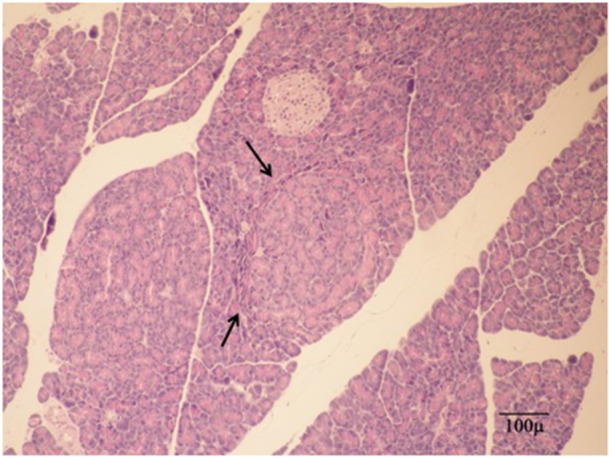 Figure 1
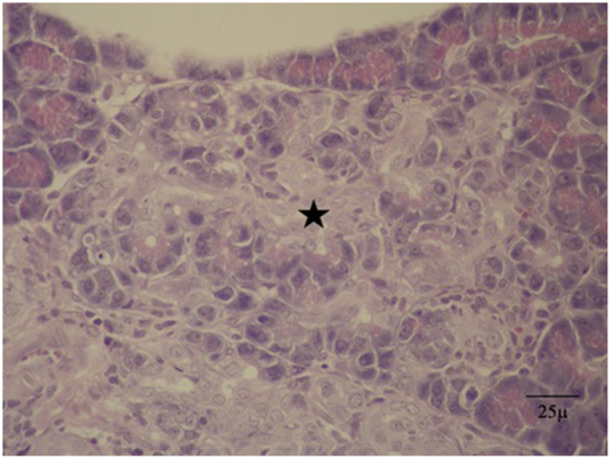 Figure 2
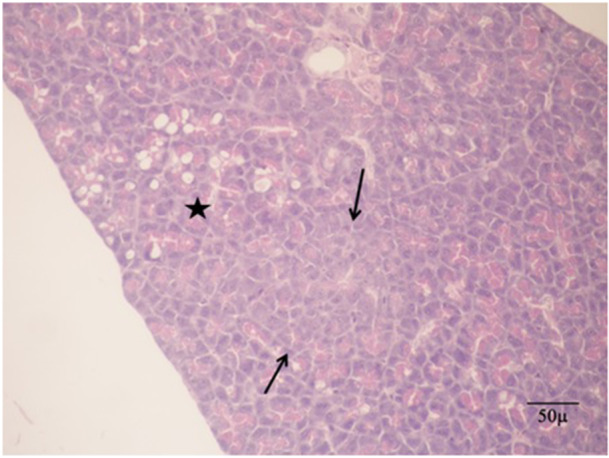 Figure 3
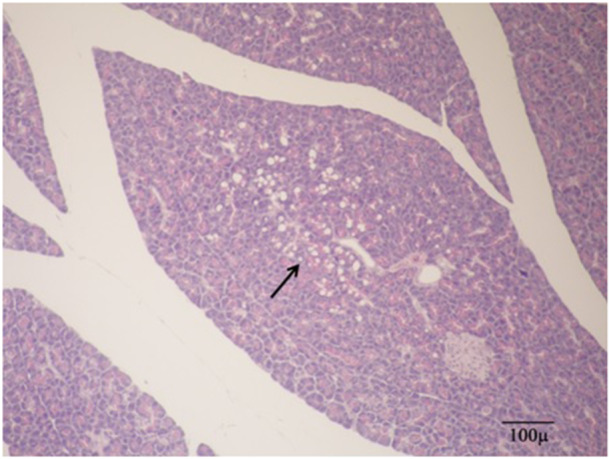 Figure 4
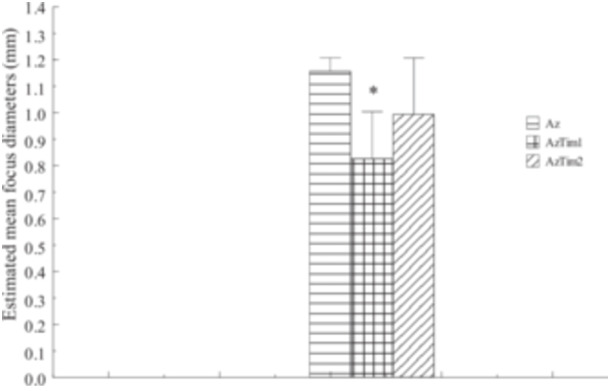 Figure 5
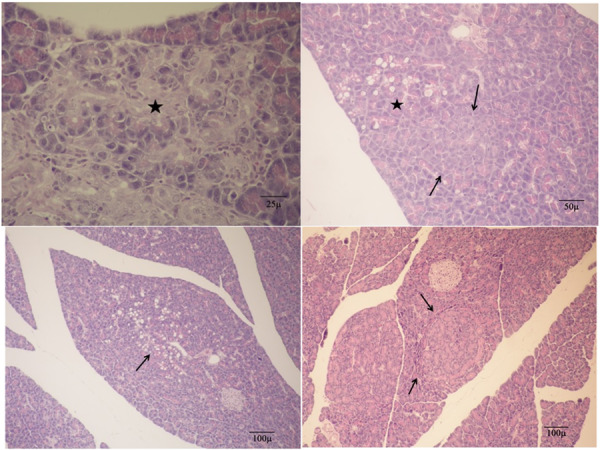 Figure 6
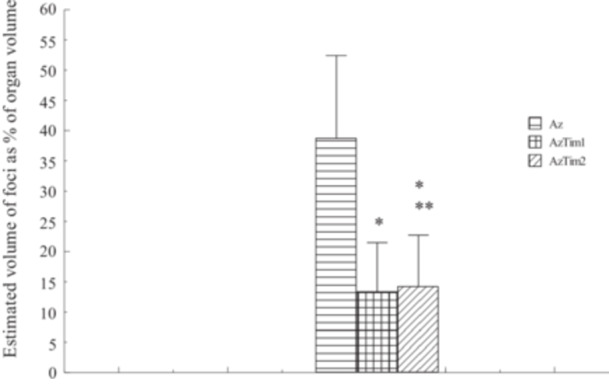 Figure 7
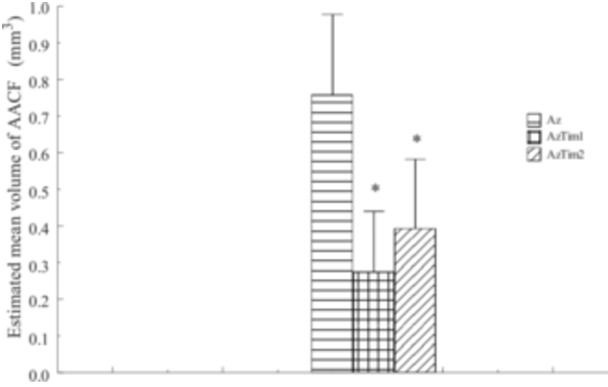 Figure 8
Peer Reviews
No public reviews on file for this paper yet. If you reviewed it on a platform where reviews are public (OpenReview, ICLR, NeurIPS, ICML), you can paste yours below so the community can read it here.
Videos
No videos yet. Explain this paper in a talk, walkthrough, or lecture? Add one.
Taxonomy
TopicsNigella sativa pharmacological applications · Chemotherapy-induced organ toxicity mitigation · Bioactive Compounds and Antitumor Agents