Post-extraction maxillary lip entrapment in cats: a prospective study
Robert Marx, Margherita Gracis, Luka Šparaš, Ana Nemec

TL;DR
This study found that post-extraction maxillary lip entrapment in cats is common but usually mild and resolves on its own.
Contribution
The study is the first to prospectively investigate MLE in cats and its association with anatomical and surgical factors.
Findings
MLE occurred in 70.3% of cats after maxillary canine extraction.
Most cases were mild and resolved without intervention.
No evaluated factors significantly influenced MLE prevalence.
Abstract
To investigate the prevalence, outcomes, and contributing factors of post-extraction maxillary lip entrapment (MLE) in cats, with a focus on anatomical and surgical technique-related variables. Thirty-seven client-owned cats undergoing maxillary canine tooth extraction between December 2022 and November 2024. This prospective study included cats undergoing maxillary canine tooth extraction performed by veterinary dental surgeons across three referral clinics. Specifically, we intended to explore the association between MLE and skull conformation, mandibular canine teeth crown height, distance between the crown tips of the maxillary and mandibular canine teeth, extent of maxillary canine alveolectomy, and presence/absence of caudal teeth on this clinical entity. Post-extraction MLE was classified as mild, moderate, or severe based on clinical findings and treatment requirements.…
Genes, proteins, chemicals, diseases, species, mutations and cell lines named across the full text — each resolved to its canonical identifier and authoritative record.
Click any figure to enlarge with its caption.
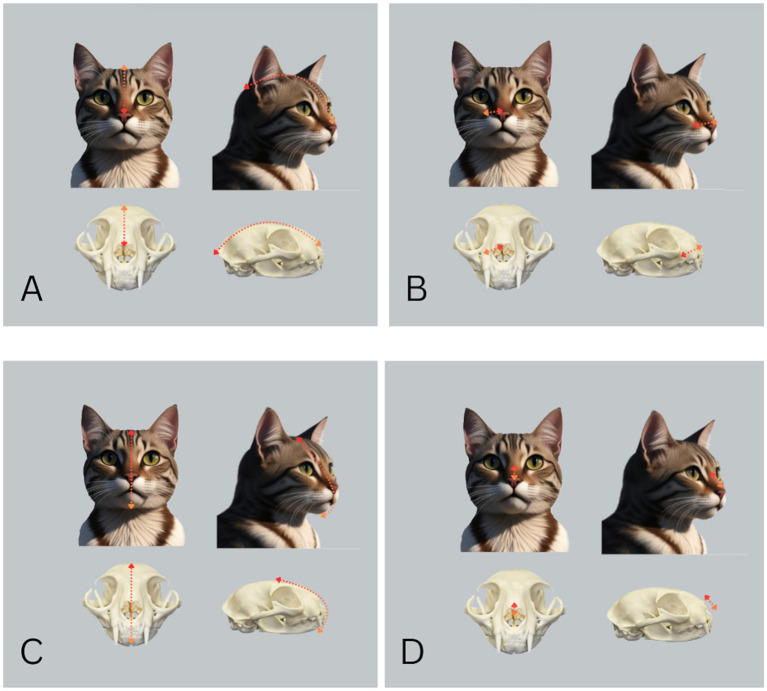 Figure 1
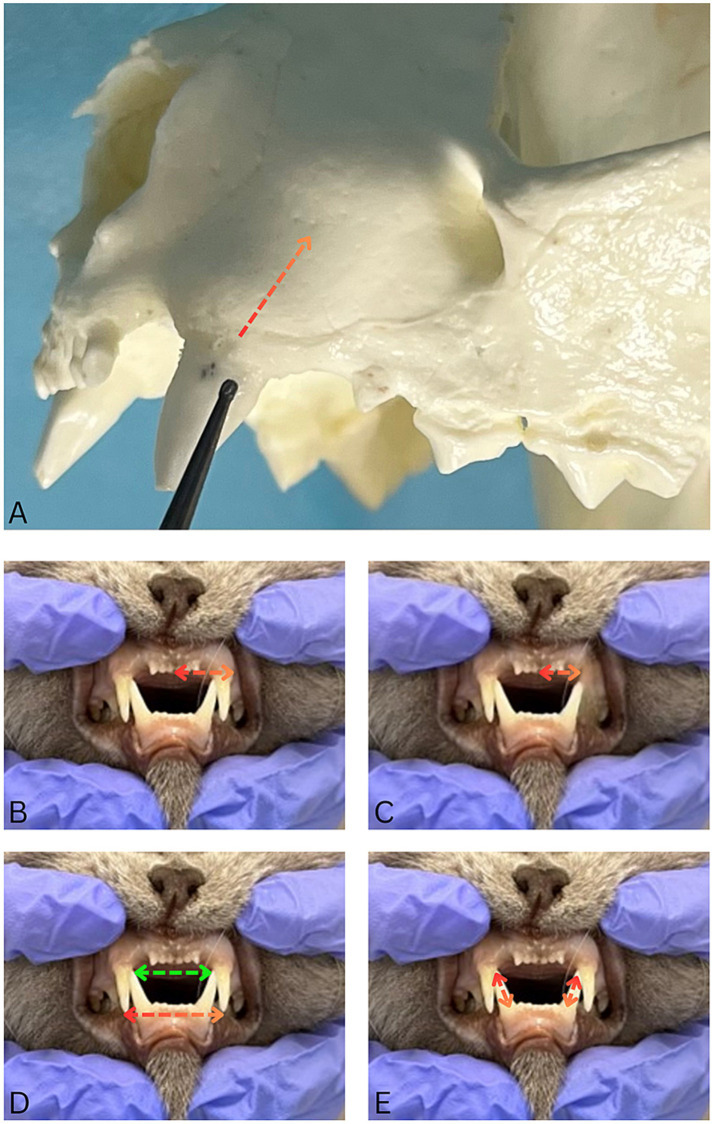 Figure 2
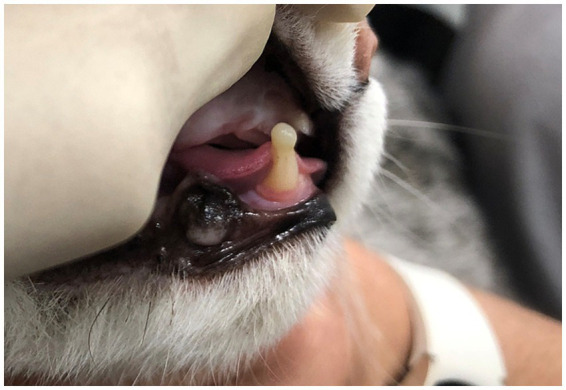 Figure 3
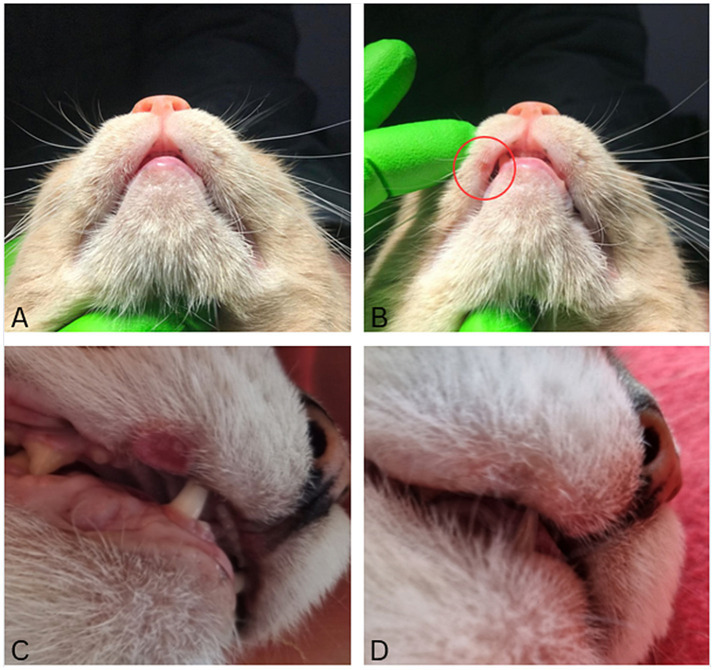 Figure 4
Peer Reviews
No public reviews on file for this paper yet. If you reviewed it on a platform where reviews are public (OpenReview, ICLR, NeurIPS, ICML), you can paste yours below so the community can read it here.
Videos
No videos yet. Explain this paper in a talk, walkthrough, or lecture? Add one.
Taxonomy
TopicsVeterinary Oncology Research · Veterinary Orthopedics and Neurology · dental development and anomalies