HIPK4 accelerates cutaneous squamous cell carcinoma progression by phosphorylating TAp63 and inhibiting EFEMP1 expression
Ze Guo, Bingjie Chen, Mengya Zhang, Min Gao, Zaixing Wang, Huayang Tang, Xianfa Tang, Qian Zhang, Jochen Utikal

TL;DR
HIPK4 promotes skin cancer progression by altering TAp63 and reducing EFEMP1, a protein that fights tumor growth.
Contribution
Identifies HIPK4 as a novel driver of CSCC progression through phosphorylation of TAp63 and suppression of EFEMP1.
Findings
HIPK4 is upregulated in CSCC and promotes tumor growth in mice when knocked down.
HIPK4 phosphorylates TAp63 at Ser395, reducing EFEMP1 expression, which inhibits tumor progression.
EFEMP1 overexpression suppresses CSCC cell proliferation, migration, and invasion.
Abstract
Cutaneous squamous cell carcinoma (CSCC) is a common skin cancer with a tendency to metastasize, leading to poor patient prognosis. Homeodomain interacting protein kinase 4 (HIPK4) has been identified as a key inhibitor of human skin epithelial differentiation. However, the role of HIPK4 in regulating CSCC development remains unclear. Our preliminary experiment showed that HIPK4 was highly expressed in CSCC tumor tissues and cells. In this study, we investigate the role of HIPK4 in regulating CSCC progression and the underlying mechanisms. In the current study, the interaction between HIPK4 and TAp63 was analyzed by Co-IP and GST-pull down assays, and the relationship between TAp63 and EFEMP1 was analyzed by ChIP and dual luciferase reporter assays. Our results showed that EFEMP1 expression was decreased in CSCC tissues and cells, and EFEMP1 overexpression inhibited CSCC cell…
Genes, proteins, chemicals, diseases, species, mutations and cell lines named across the full text — each resolved to its canonical identifier and authoritative record.
Click any figure to enlarge with its caption.
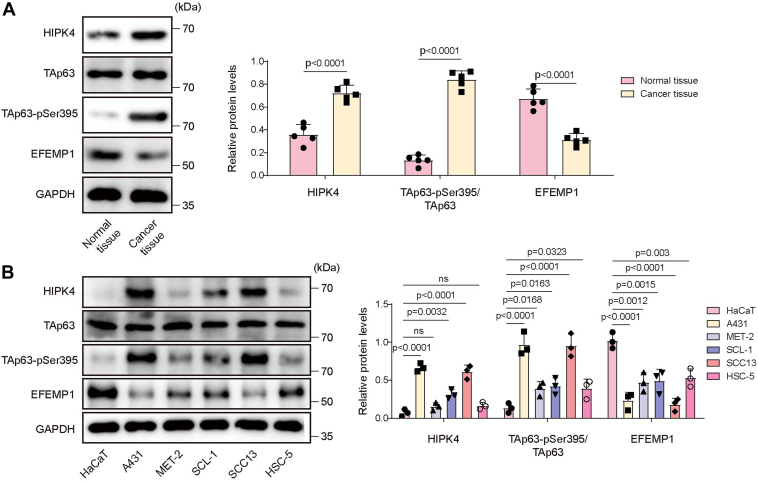 Figure 1
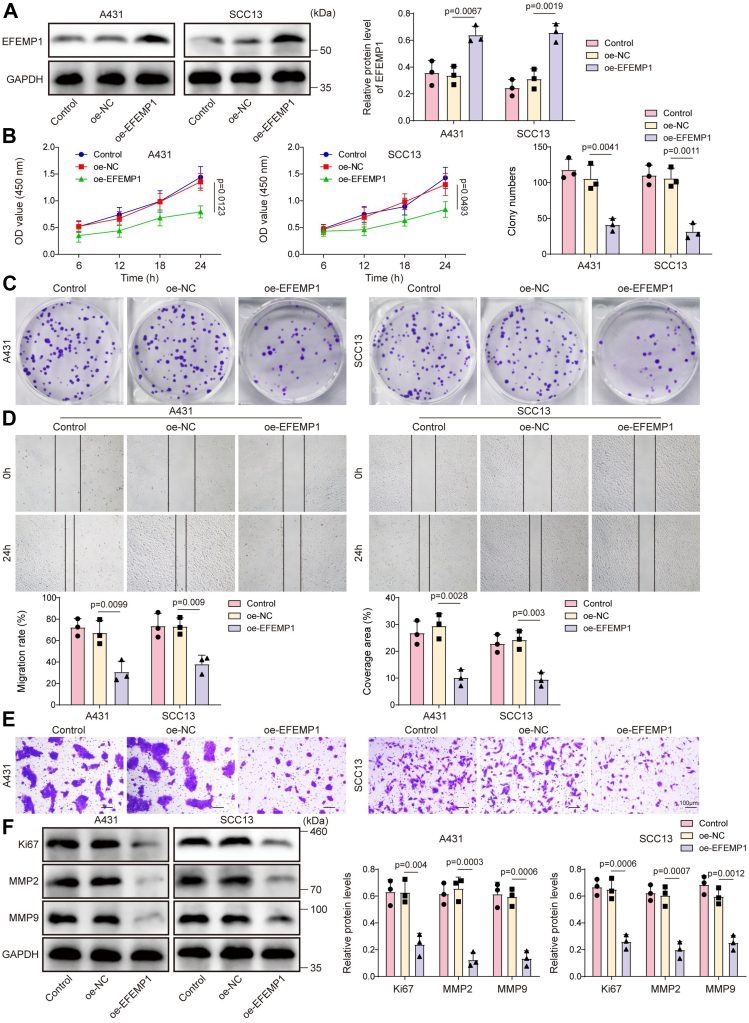 Figure 2
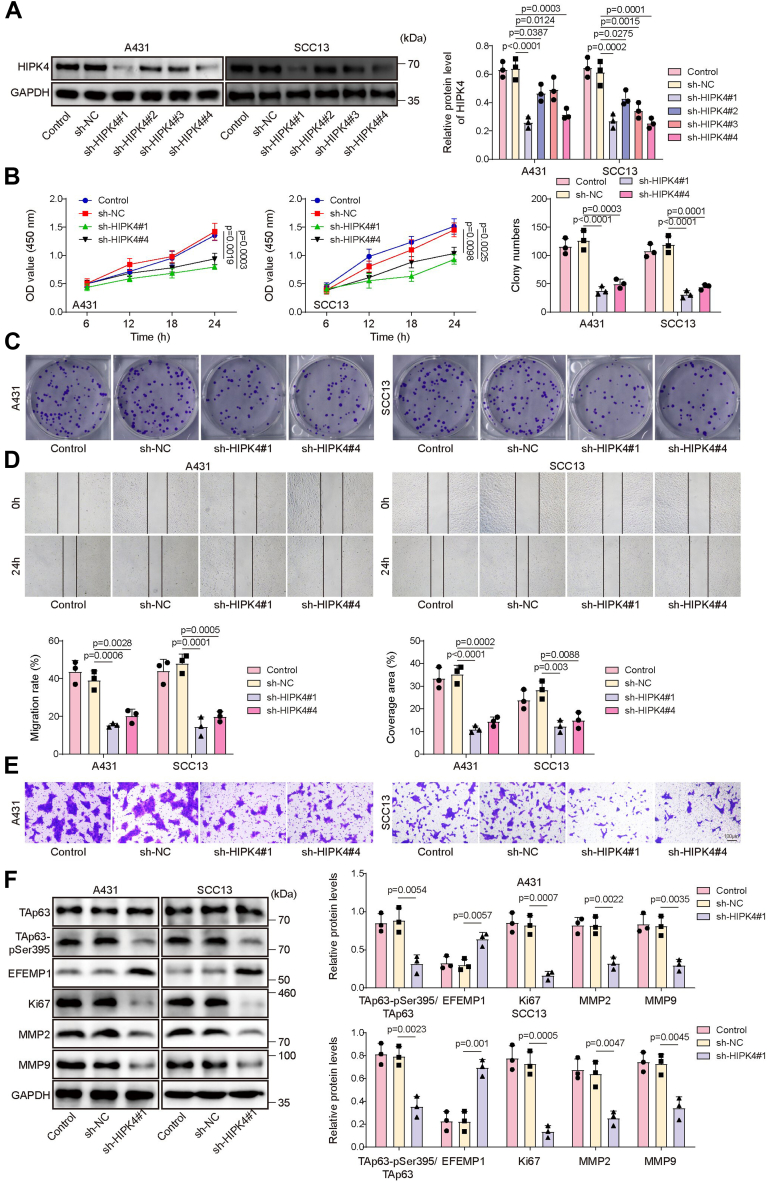 Figure 3
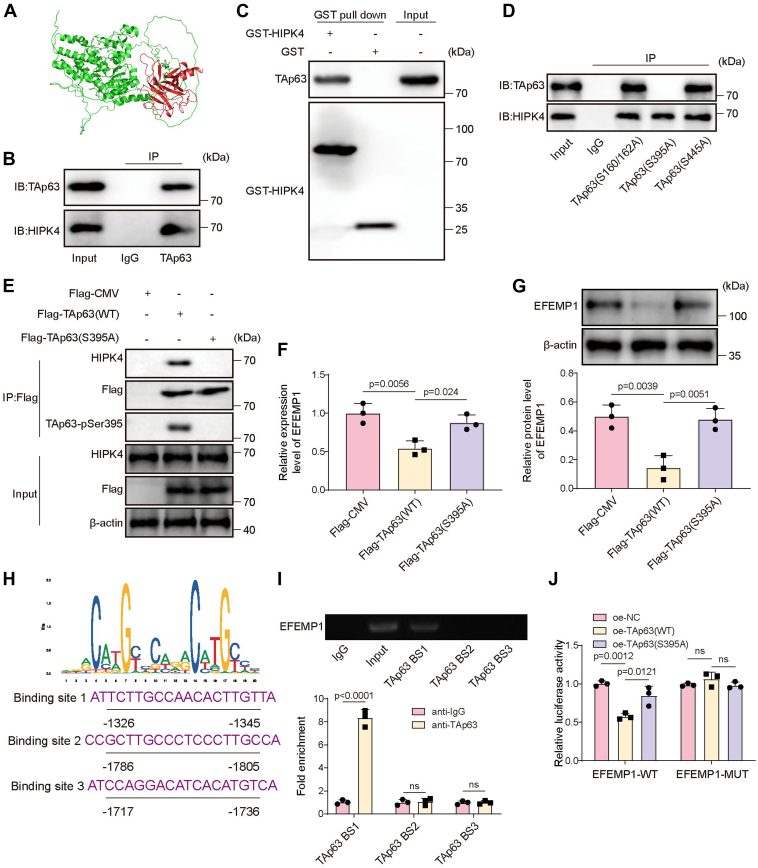 Figure 4
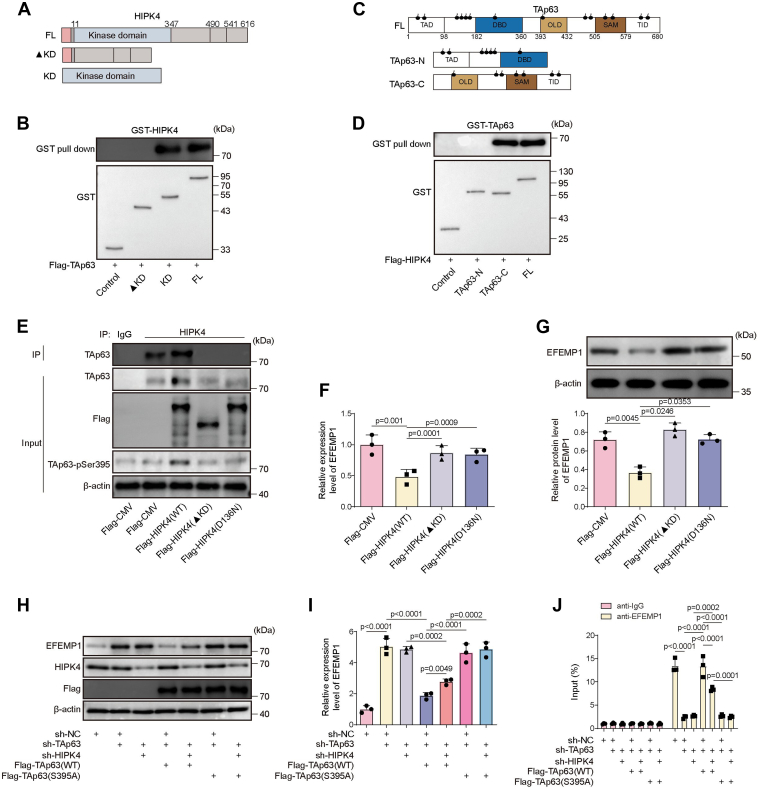 Figure 5
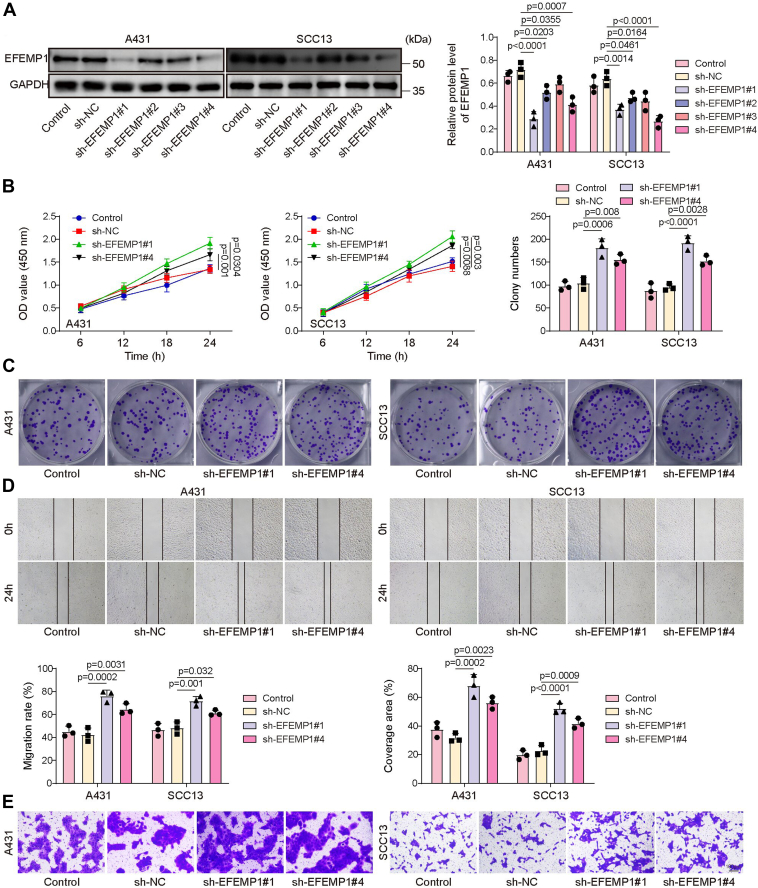 Figure 6
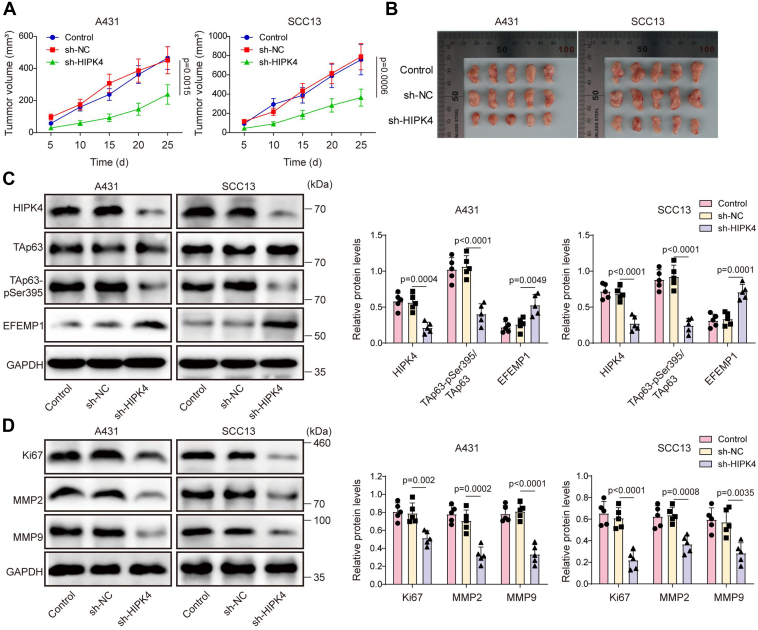 Figure 7
Peer Reviews
No public reviews on file for this paper yet. If you reviewed it on a platform where reviews are public (OpenReview, ICLR, NeurIPS, ICML), you can paste yours below so the community can read it here.
Videos
No videos yet. Explain this paper in a talk, walkthrough, or lecture? Add one.
Taxonomy
TopicsUbiquitin and proteasome pathways · interferon and immune responses · Cancer-related Molecular Pathways