Ligation of the Pancreatic Stump With Quantified Force During Distal Pancreatectomy for Postoperative Pancreatic Fistula: Protocol for a Single-Center Nonrandomized Controlled Clinical Study
Lufeng Chang, Jiongxin Xiong, Ming Yang, Yuxin Yang, Tao Peng, Tao Yin, Heshui Wu, Shanmiao Gou

TL;DR
This study tests if using a specific force to ligate the pancreatic stump during surgery can reduce the risk of a serious complication called postoperative pancreatic fistula.
Contribution
The study introduces a novel ligation method with quantified force to manage the pancreatic stump during distal pancreatectomy.
Findings
The study will compare ligation with quantified force to traditional methods for preventing pancreatic fistula.
The optimal ligation force is calculated to provide sufficient burst pressure while avoiding tissue damage.
Outcomes like hospital stay and infection rates will be analyzed to assess the method's effectiveness.
Abstract
The incidence of postoperative pancreatic fistula following distal pancreatectomy is as high as 30%-50%. Postoperative pancreatic fistula can be a major cause of perioperative morbidity, resulting in prolonged hospital stays and increased health care costs. The management of the pancreatic stump is one of the key factors influencing the occurrence of postoperative pancreatic fistula after distal pancreatectomy, but the optimal management approach remains debatable. The main methods for pancreatic stump closure include manual suturing and stapler closure. However, both methods are associated with a high risk of postoperative pancreatic fistula, which may be related to the balance between providing sufficient pancreatic duct burst pressure and ensuring blood supply to the stump. Ligation of the pancreatic stump has been attempted to reduce the risk of postoperative pancreatic fistula…
Genes, proteins, chemicals, diseases, species, mutations and cell lines named across the full text — each resolved to its canonical identifier and authoritative record.
Click any figure to enlarge with its caption.
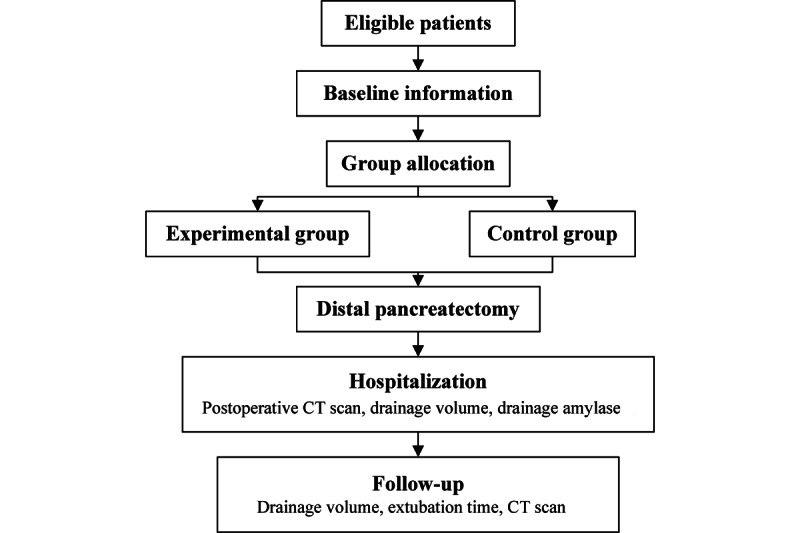 Figure 1
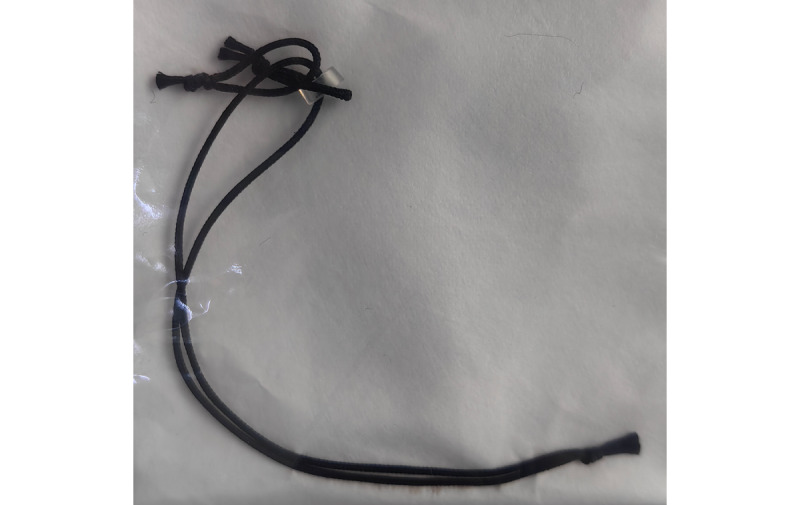 Figure 2
Peer Reviews
No public reviews on file for this paper yet. If you reviewed it on a platform where reviews are public (OpenReview, ICLR, NeurIPS, ICML), you can paste yours below so the community can read it here.
Videos
No videos yet. Explain this paper in a talk, walkthrough, or lecture? Add one.
Taxonomy
TopicsPancreatic and Hepatic Oncology Research · Pancreatitis Pathology and Treatment · Neuroendocrine Tumor Research Advances