Eight-channel high-speed electrical impedance tomography device implemented on a programmable system on a chip
Fausto Andrés Escobar, Carlos Felipe Rengifo, Víctor Hugo Mosquera

TL;DR
This paper introduces a high-speed EIT device built on a programmable chip, capable of monitoring changes in fluid volume and conductivity with high accuracy.
Contribution
The novel contribution is an eight-channel EIT system implemented on a PSoC, achieving 100 fps with high SNR and accuracy.
Findings
The EIT-PSoC system achieved 100 fps, 63.59 dB SNR, and 95.39% accuracy using a 0.98 mA signal at 50 kHz.
The system successfully detected impedance changes in saline phantoms and distinguished fluid volume and conductivity changes in agar phantoms.
The EIT-PSoC system shows promise for monitoring biological fluid dynamics with high precision.
Abstract
This study proposes an electrical impedance tomography (EIT) device based on a programmable system on a chip (PSoc). The EIT-PSoC system is implemented using two PSoC 5LP platforms. A resistive phantom is used to study frame frequency (fps), accuracy (Ac), and signal-to-noise ratio (SNR). A saline phantom, along with both conductive and non-conductive objects, is employed to evaluate the system’s ability to detect changes in impedance distribution. Finally, the dielectric characteristics of the human lower pelvis is emulated using four agar phantoms, allowing an evaluation of the EIT-PSoC system’s performance in response to changes in fluid volume and conductivity. Experiments conducted on the resistive phantom to characterize the EIT-PSoC system demonstrate a frame frequency of 100 fps, a median SNR of 63.59 dB, and an accuracy of 95.39% when using a 0.98 mA sinusoidal current signal…
Genes, proteins, chemicals, diseases, species, mutations and cell lines named across the full text — each resolved to its canonical identifier and authoritative record.
Click any figure to enlarge with its caption.
 Figure 1
 Figure 2
 Figure 3
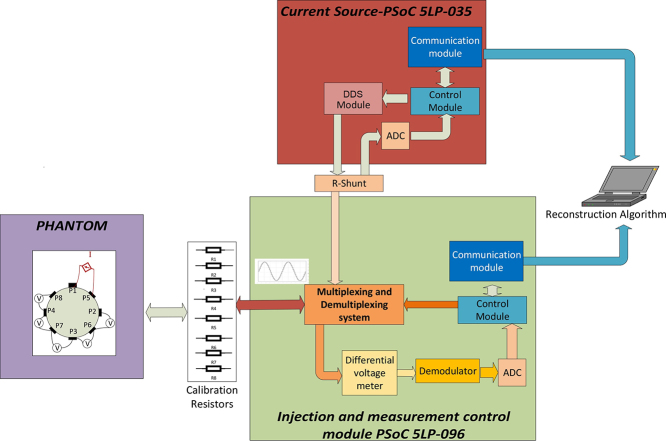 Figure 4
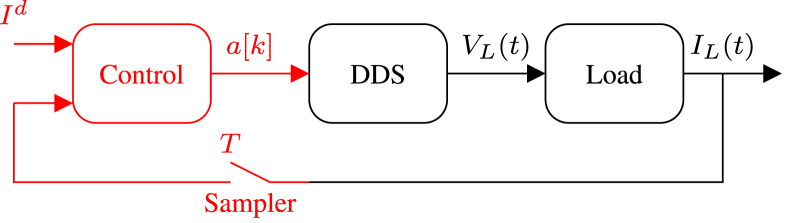 Figure 5
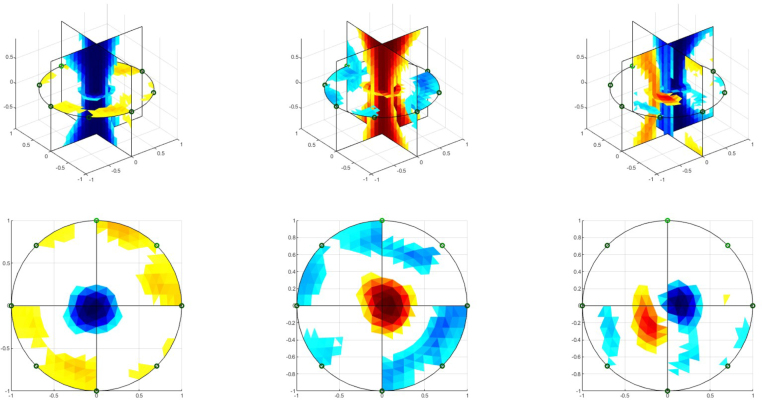 Figure 6
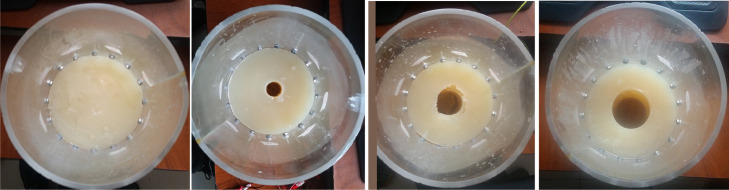 Figure 7
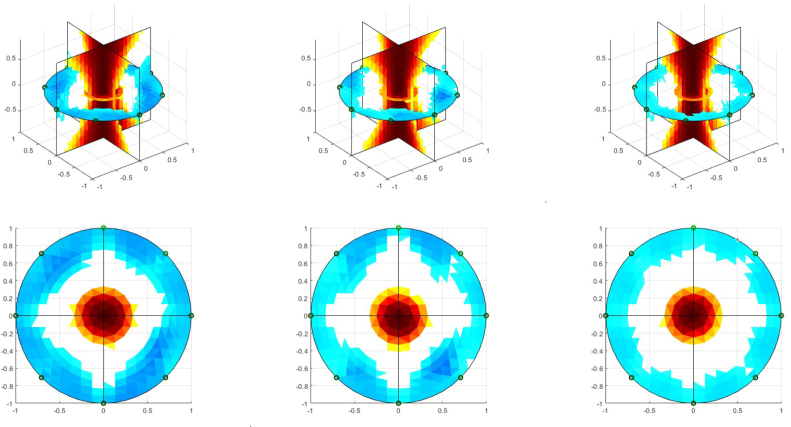 Figure 8
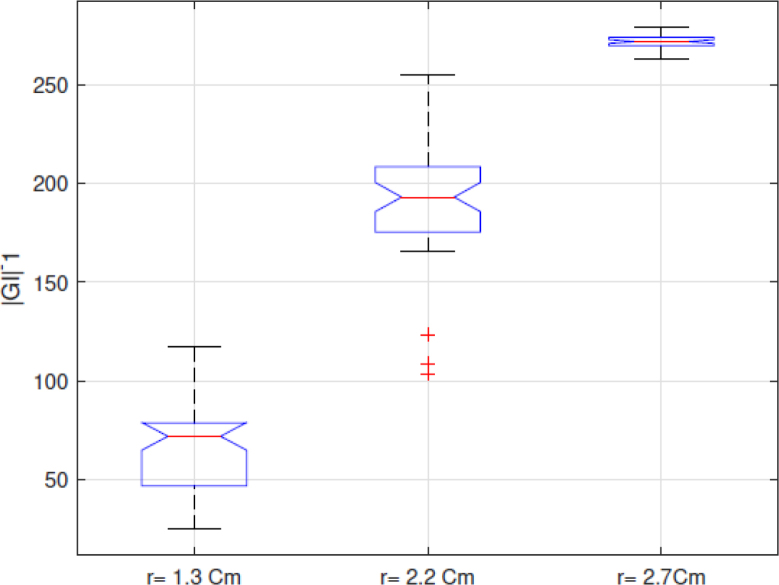 Figure 9
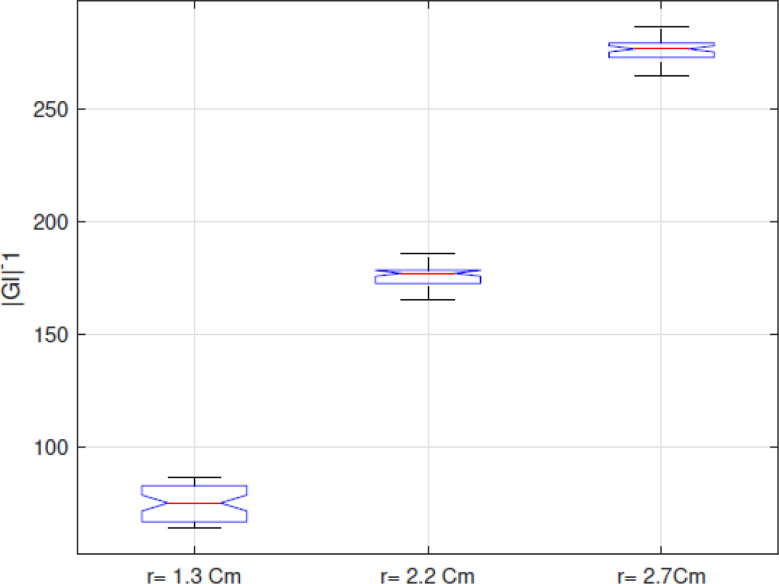 Figure 10
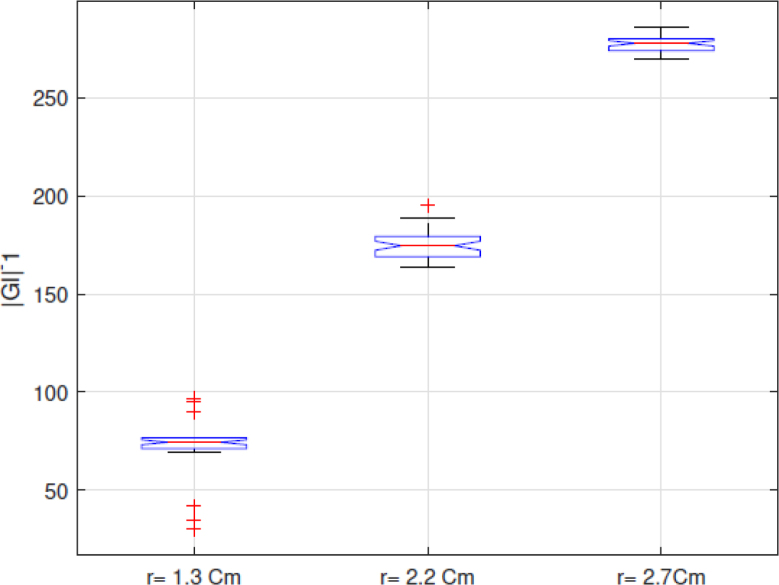 Figure 11
 Figure 12
 Figure 13
 Figure 14
 Figure 15
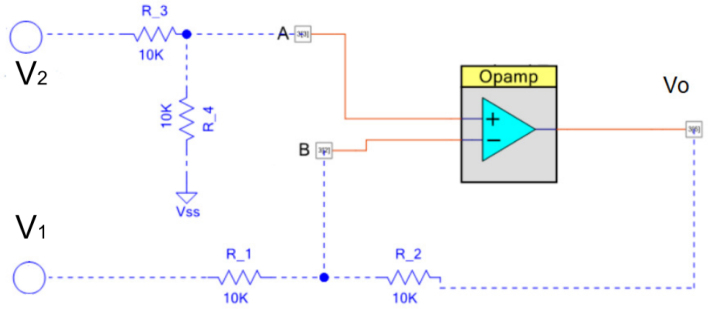 Figure 16
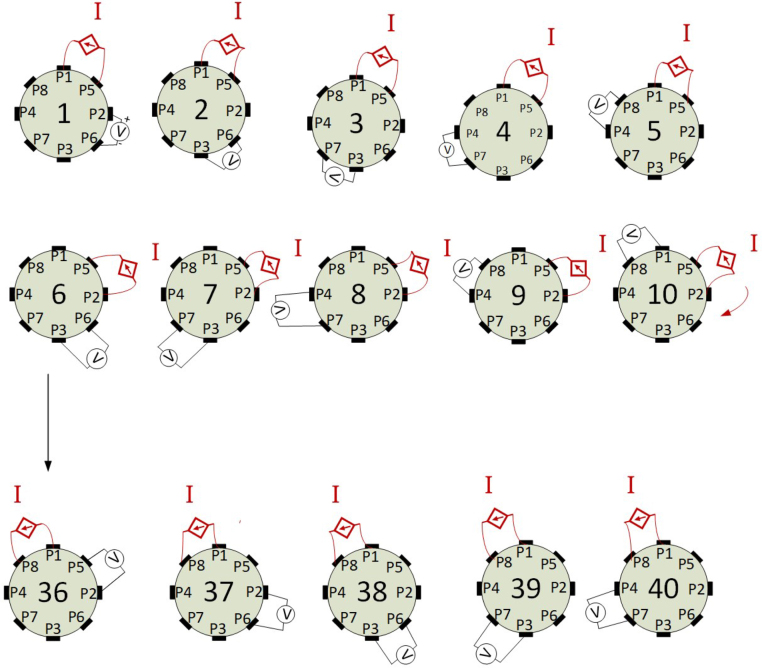 Figure 17
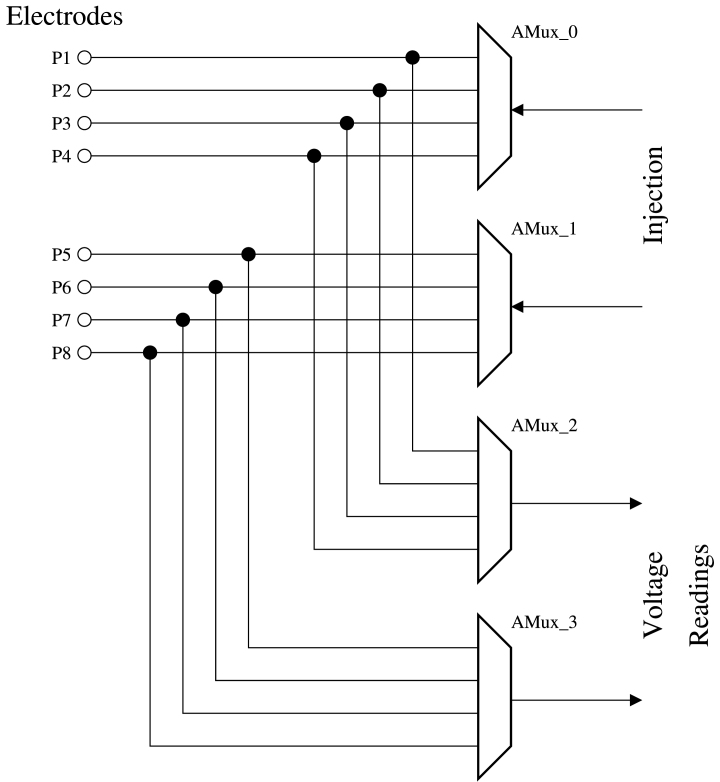 Figure 18
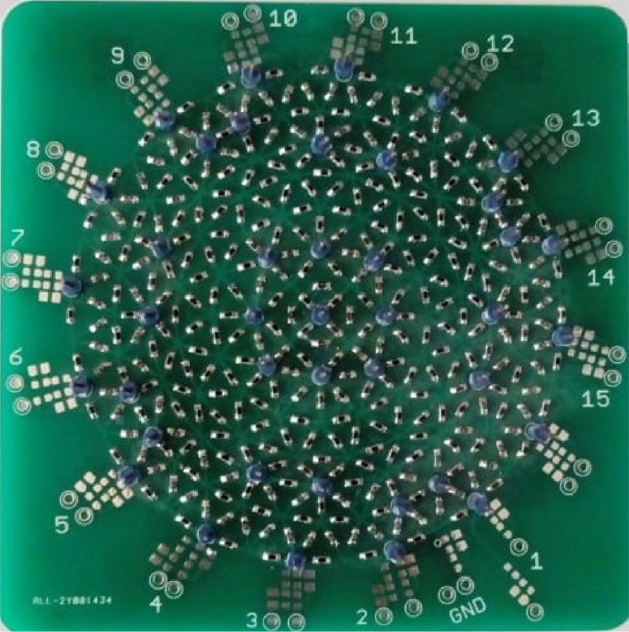 Figure 19
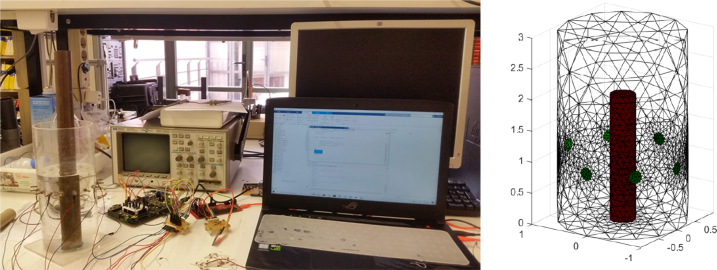 Figure 20
Peer Reviews
No public reviews on file for this paper yet. If you reviewed it on a platform where reviews are public (OpenReview, ICLR, NeurIPS, ICML), you can paste yours below so the community can read it here.
Videos
No videos yet. Explain this paper in a talk, walkthrough, or lecture? Add one.
Taxonomy
TopicsElectrical and Bioimpedance Tomography · Microfluidic and Bio-sensing Technologies · Geophysical and Geoelectrical Methods