Affibody-based targeting agent 131I-YZHER2: V2 for HER2-positive ovarian cancer xenografts
Hongyu Hu, Xianwen Hu, Fangming Li, Guanlian Wang, Jiong Cai

TL;DR
This study develops a radioactive HER2-targeting agent for treating HER2-positive ovarian cancer in mice, showing effective tumor targeting and reduced tumor growth.
Contribution
A new 131I-labeled HER2 affibody, YZHER2: V2, is developed and tested for targeted radionuclide therapy in ovarian cancer.
Findings
131I-YZHER2: V2 showed high radiochemical purity and stability in vitro.
The agent demonstrated rapid tumor uptake and significant tumor growth inhibition in HER2-positive mice.
No major radioactive accumulation was observed in non-target organs like the heart, liver, or lungs.
Abstract
The human epidermal growth factor receptor 2 (HER2) affibodies are multifunctional tools that, when labeled with radioactive isotopes, hold significant potential for the diagnosis and treatment of tumors exhibiting HER2 overexpression. This research focuses on the development of 131I-labeled HER2 affibodies as targeted radionuclide therapy agents (TRNT) for HER2-positive Ovarian carcinoma. The YZHER2: V2 affibody targeting HER2 was synthesized through genetic recombination. It was labeled with 131I by the chloramine T method, and its radiochemical purity and stability were evaluated in vitro. The normal mice were subjected to a study on the pharmacokinetic characteristics of 131I-YZHER2: V2. An assessment was conducted on the uptake in tumors, biological distribution, and potential for therapeutic use of 131I-YZHER2: V2 using a HER2-positive SKOV-3 nude mouse model. The HER2-negative…
Genes, proteins, chemicals, diseases, species, mutations and cell lines named across the full text — each resolved to its canonical identifier and authoritative record.
Click any figure to enlarge with its caption.
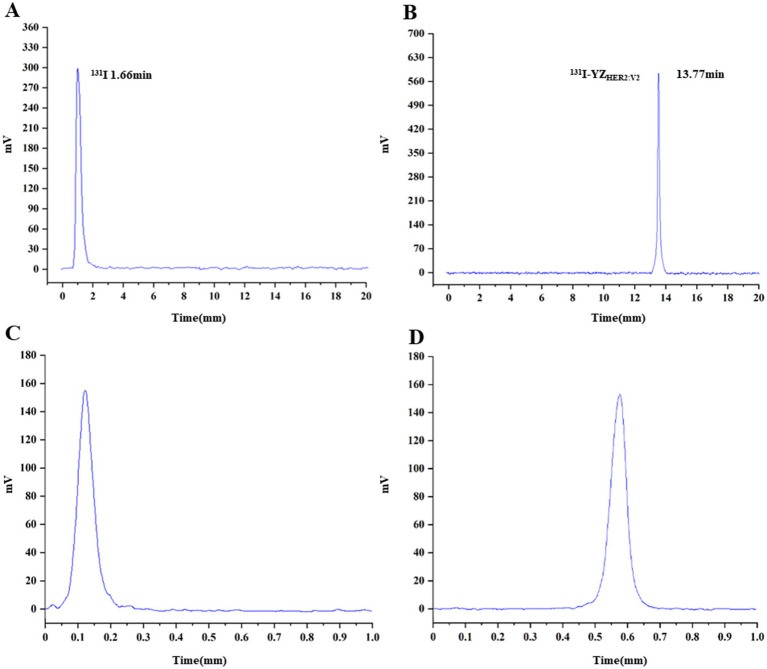 Figure 1
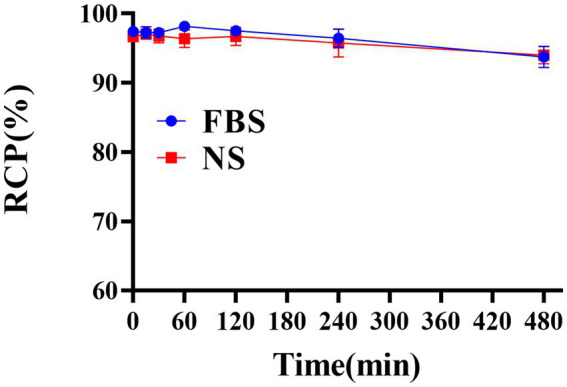 Figure 2
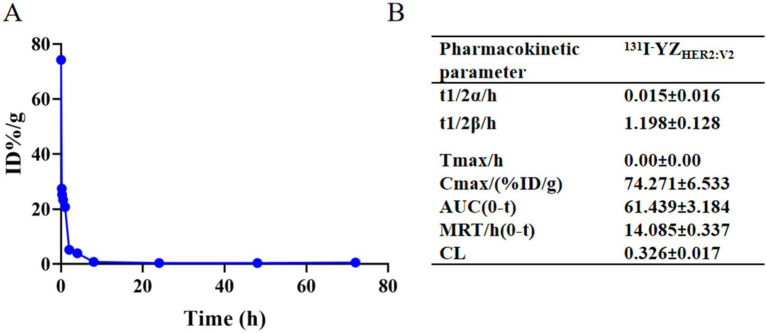 Figure 3
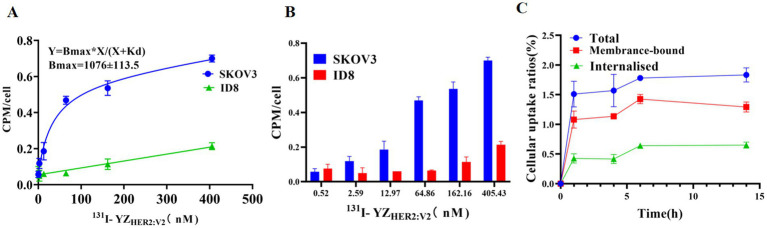 Figure 4
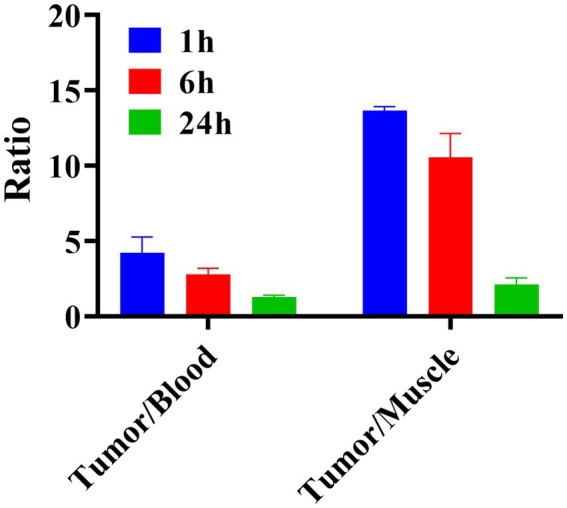 Figure 5
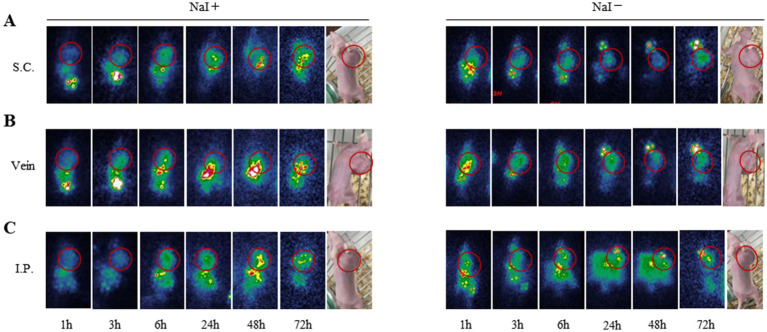 Figure 6
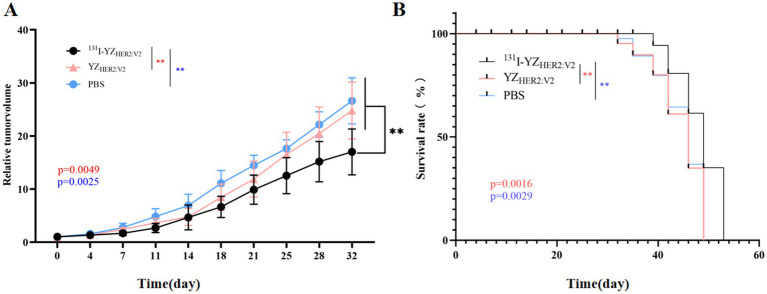 Figure 7
Peer Reviews
No public reviews on file for this paper yet. If you reviewed it on a platform where reviews are public (OpenReview, ICLR, NeurIPS, ICML), you can paste yours below so the community can read it here.
Videos
No videos yet. Explain this paper in a talk, walkthrough, or lecture? Add one.
Taxonomy
TopicsMonoclonal and Polyclonal Antibodies Research · Glycosylation and Glycoproteins Research · Lung Cancer Research Studies