Diabetes is causally associated with increased breast cancer mortality by inducing FIBCD1 to activate MCM5-mediated cell cycle arrest via modulating H3K27ac
Binbin Tan, Yang Liu, Qianqian Chen, Weijie Yang, Wenhan Yang, Kaiping Gao, Li Fu, Tiantian Zhang, Penglong Chen, Yongyi Huang, Yuting Wang, Guoqiang Zhang, Juan Xiong, Rihong Zhai

TL;DR
Diabetes increases breast cancer mortality by activating a gene called FIBCD1, which affects cell cycle control through a specific histone modification.
Contribution
This study establishes a causal link between diabetes and breast cancer mortality through the FIBCD1-MCM5-H3K27ac pathway.
Findings
Diabetes is causally associated with higher 5-year mortality in breast cancer patients.
FIBCD1 is upregulated in breast cancer under hyperglycemic conditions and promotes cancer progression.
FIBCD1 activates MCM5 via H3K27ac to induce cell cycle arrest, linking diabetes to worse breast cancer outcomes.
Abstract
Breast cancer (BC) is the most common tumor worldwide and it has been recognized that up to one third of BC patients have co-existing diabetes mellitus (DM) (BC-DM). Although many observational studies have indicated an association between DM and BC, the causal relationship of DM and BC prognosis remained uncertain and the molecular mechanisms underlying BC-DM are largely unclear. In this study, we used causal inference methods, including g-computation (GC), inverse probability of treatment weighting (IPTW), targeted maximum likelihood estimation (TMLE), and TMLE-super learner (TMLE-SL), to comprehensively analyze the association of DM with BC mortality in a cohort of 3386 BC patients. We found that the adjusted odds ratios (OR) and 95% confidence intervals (95% CI) for 5-year mortality in BC-DM patients were 1.926 (1.082, 2.943), 2.268 (1.063, 3.974), 1.917 (1.091, 2.953), and 2.113…
Genes, proteins, chemicals, diseases, species, mutations and cell lines named across the full text — each resolved to its canonical identifier and authoritative record.
Click any figure to enlarge with its caption.
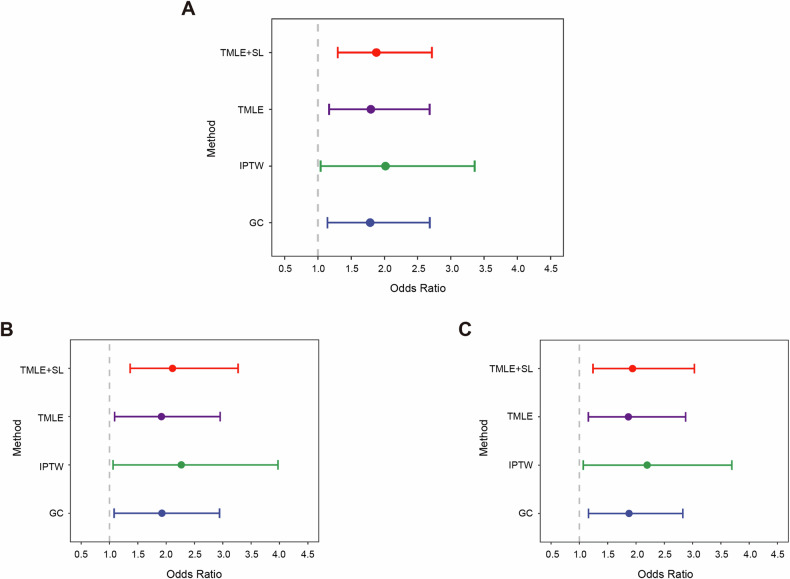 Figure 1
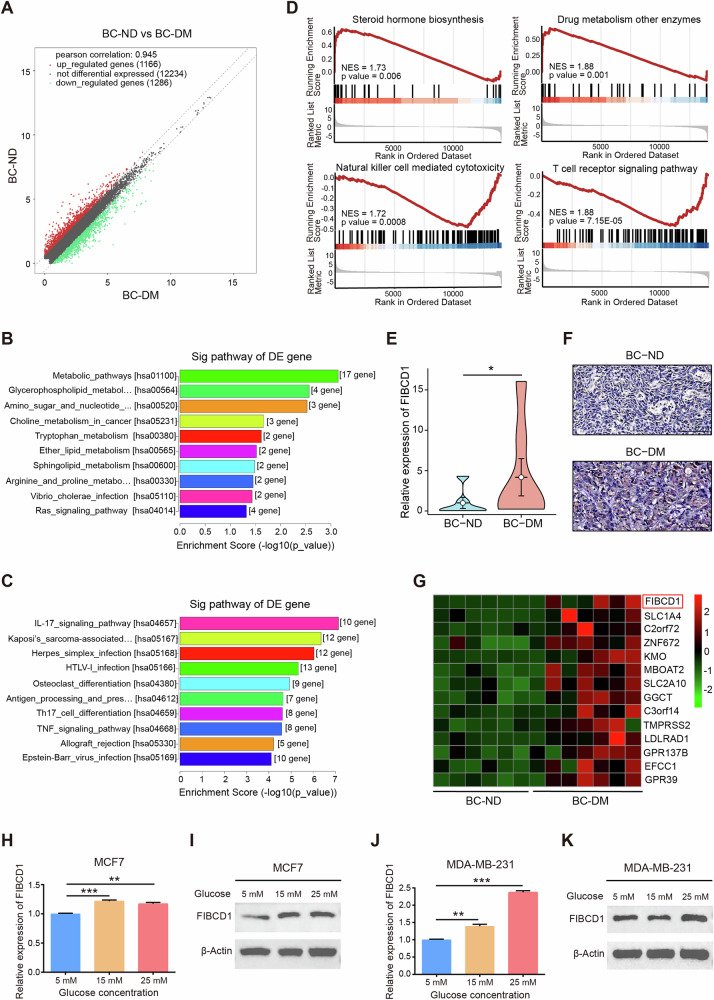 Figure 2
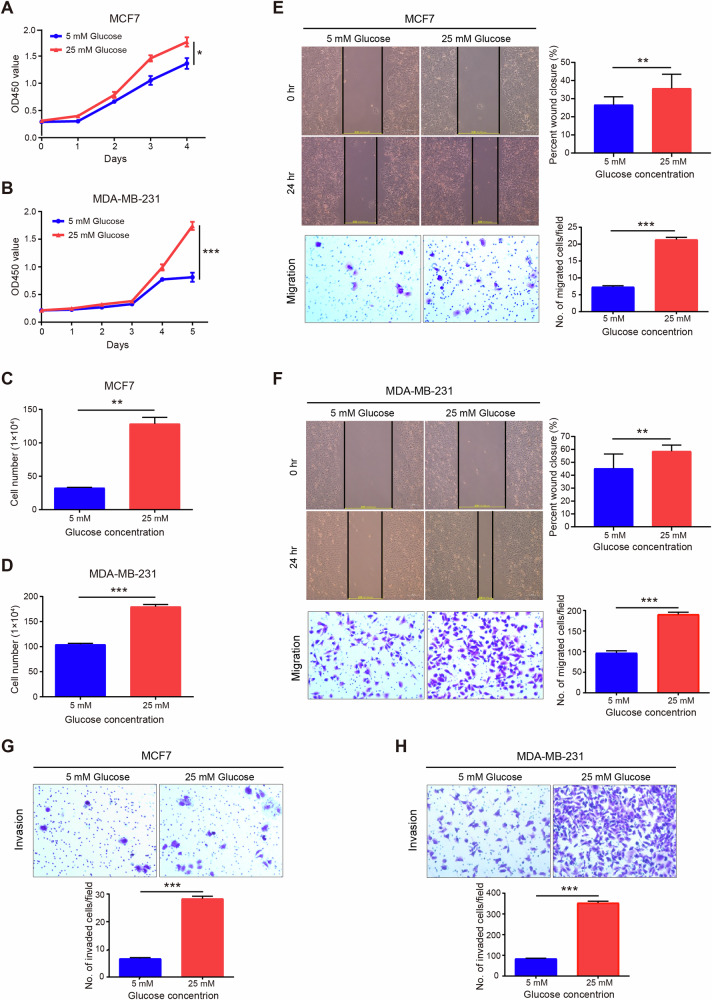 Figure 3
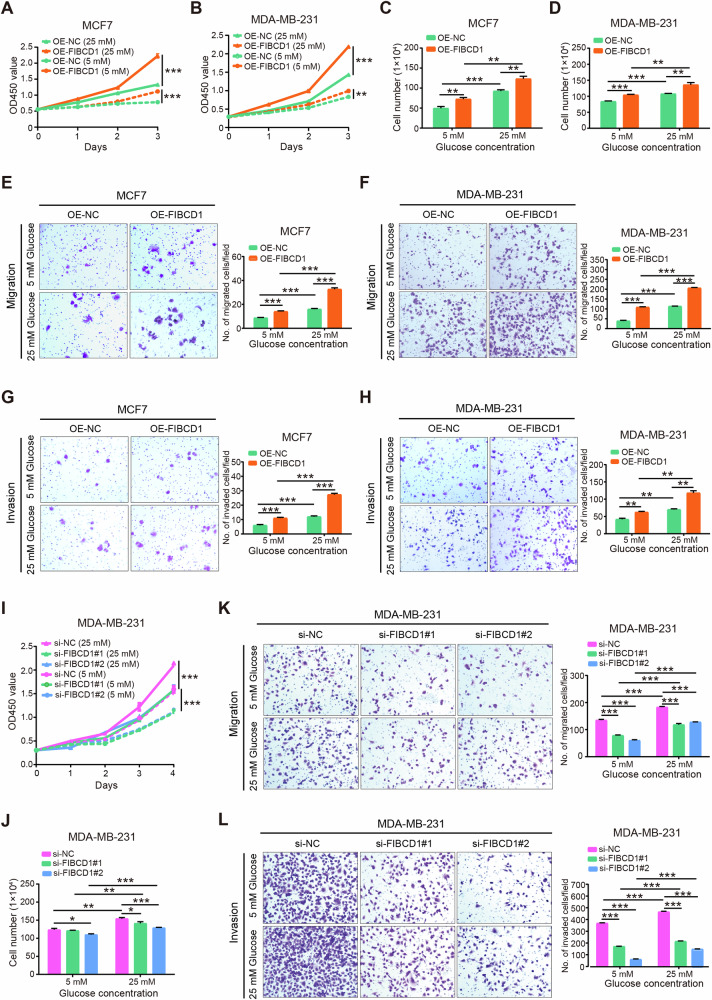 Figure 4
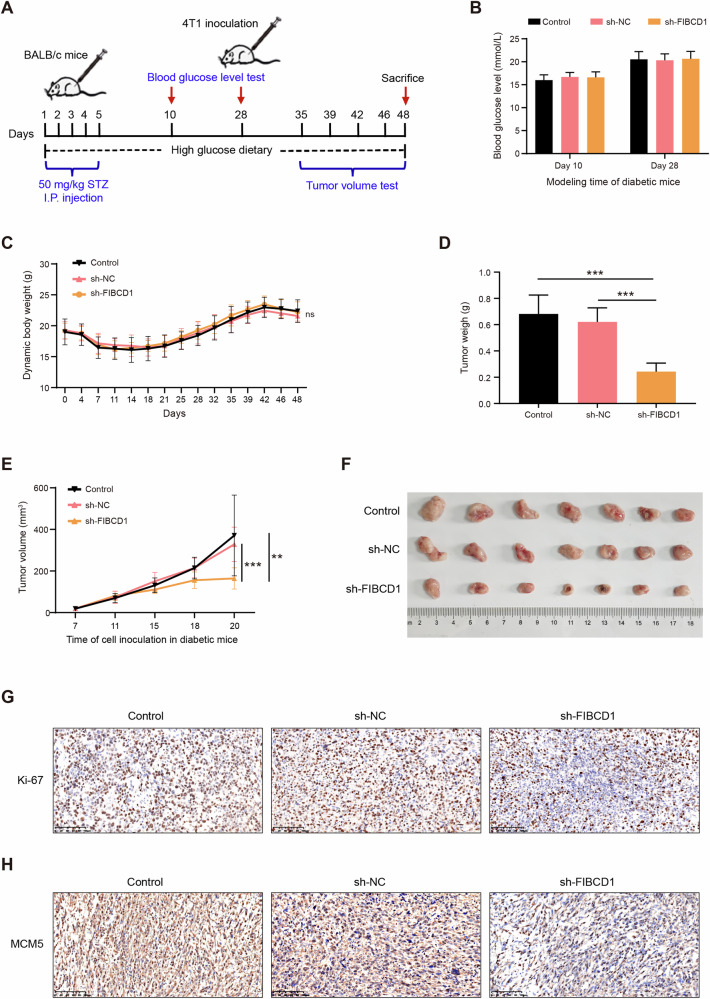 Figure 5
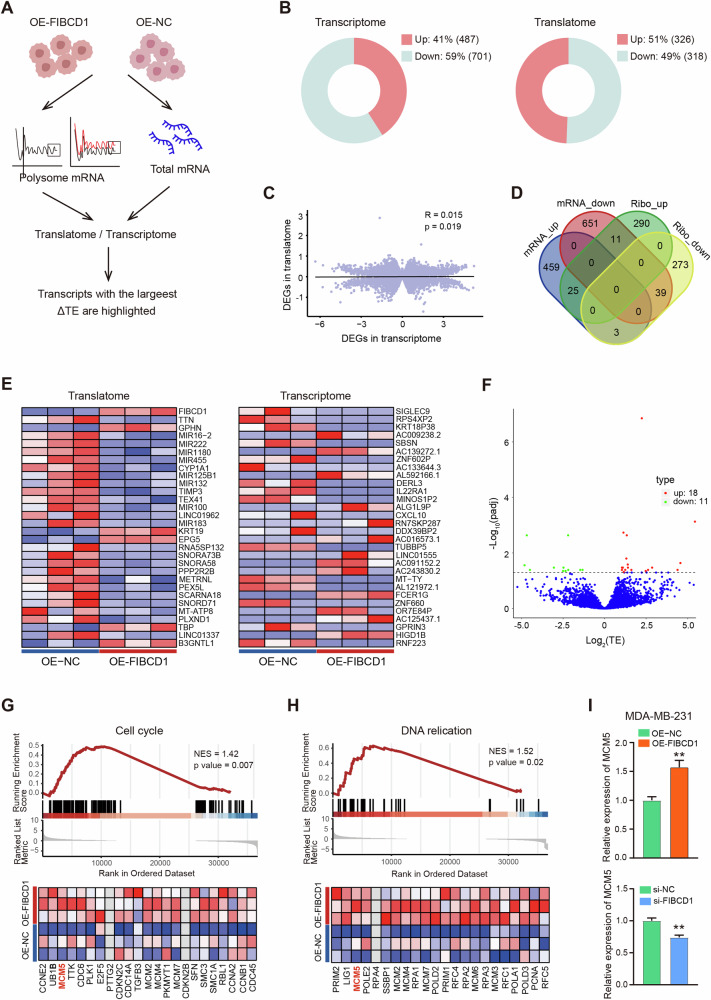 Figure 6
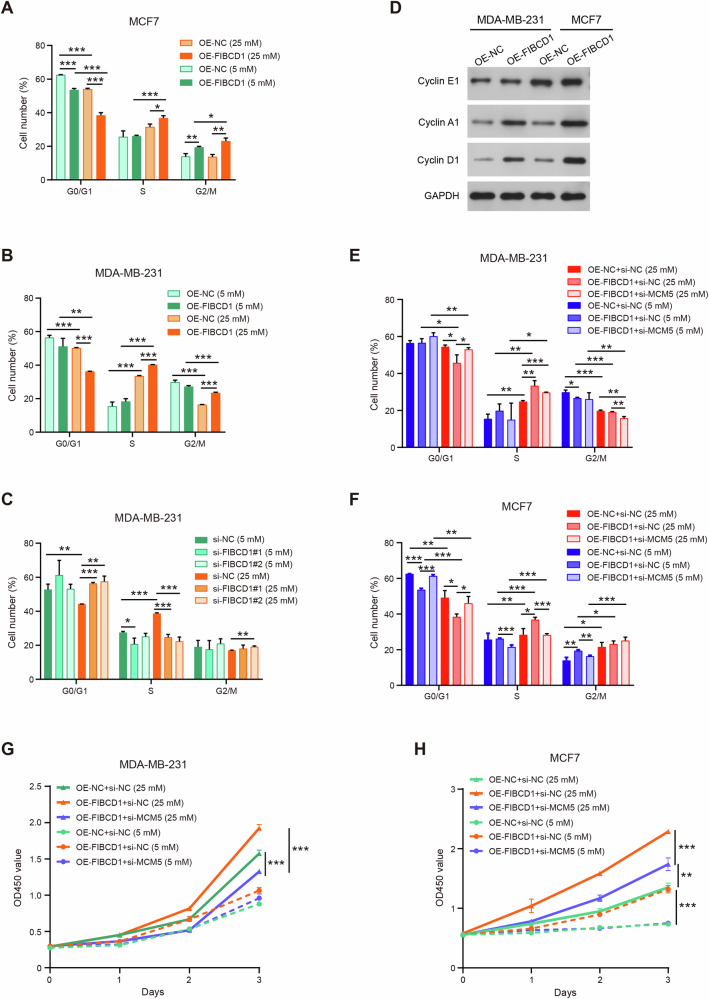 Figure 7
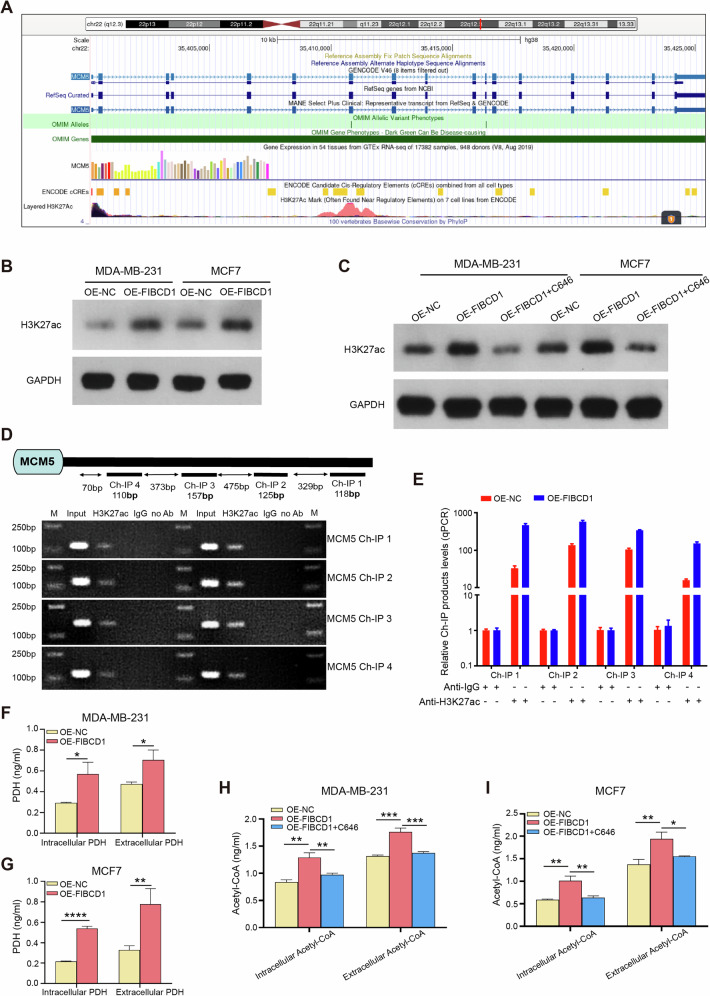 Figure 8
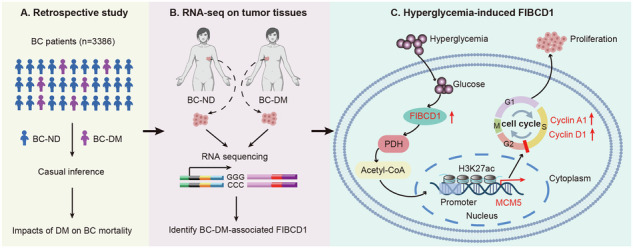 Figure 9
Peer Reviews
No public reviews on file for this paper yet. If you reviewed it on a platform where reviews are public (OpenReview, ICLR, NeurIPS, ICML), you can paste yours below so the community can read it here.
Videos
No videos yet. Explain this paper in a talk, walkthrough, or lecture? Add one.
Taxonomy
TopicsMetabolism, Diabetes, and Cancer · Cancer, Hypoxia, and Metabolism · RNA modifications and cancer