Saxifraga stolonifera inhibits porcine epidemic diarrhea virus infection by disrupting nucleocapsid protein-p53 interaction
Hongde Lu, Haoyang Liu, Ning Guo, Yu Zhou, Haiyan Lu, Zhiyuan He, Hong Dong

TL;DR
Saxifraga stolonifera shows antiviral effects against PEDV by disrupting a key protein interaction, offering a potential natural treatment for swine disease.
Contribution
S. stolonifera's antiviral mechanism against PEDV is revealed through disruption of the nucleocapsid protein-p53 interaction.
Findings
S. stolonifera inhibits PEDV nucleocapsid expression and pro-inflammatory cytokines in a dose-dependent manner.
Quercetin and other compounds in S. stolonifera bind to PEDV N protein and disrupt its interaction with p53.
The p53-DREAM pathway is modulated by S. stolonifera, affecting key protein levels and phosphorylation.
Abstract
Porcine epidemic diarrhea (PED) is an acute, highly contagious intestinal disease caused by the porcine epidemic diarrhea virus (PEDV), which has devastating effects on the global swine industry. Currently, no effective therapeutic agents have been identified for treating PEDV infections. Saxifraga stolonifera (S. stolonifera), valued in traditional Chinese medicine for its anti-inflammatory properties, remains poorly studied regarding its efficacy against PEDV. This study demonstrated the dose-dependent inhibition of PEDV nucleocapsid expression by S. stolonifera in vitro. S. stolonifera strongly inhibited the expression levels of pro-inflammatory cytokines. Using the network pharmacology, key components such as gallic acid, quercetin, coumarin, and caffeic acid were identified. KEGG pathway enrichment analysis revealed that S. stolonifera mainly targeted pathways including p53, MAPK,…
Genes, proteins, chemicals, diseases, species, mutations and cell lines named across the full text — each resolved to its canonical identifier and authoritative record.
Click any figure to enlarge with its caption.
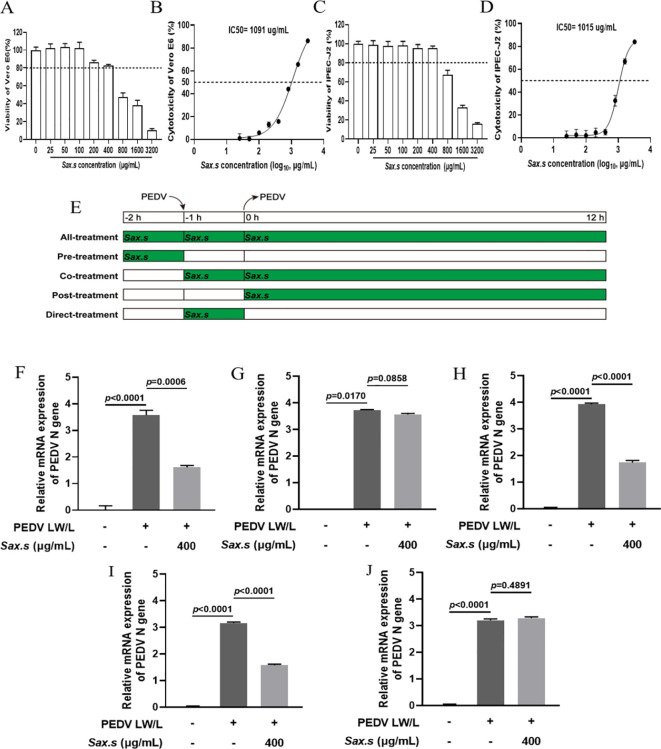 Figure 1
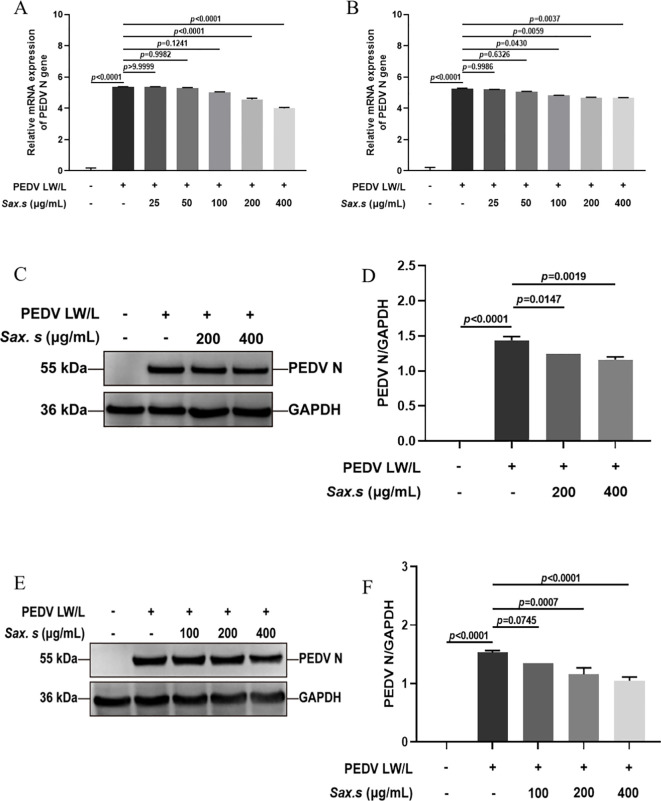 Figure 2
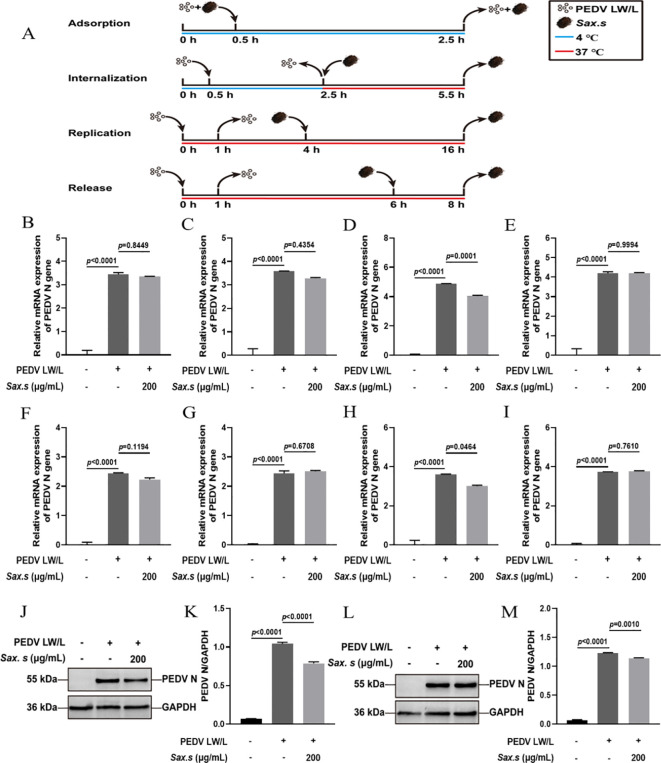 Figure 3
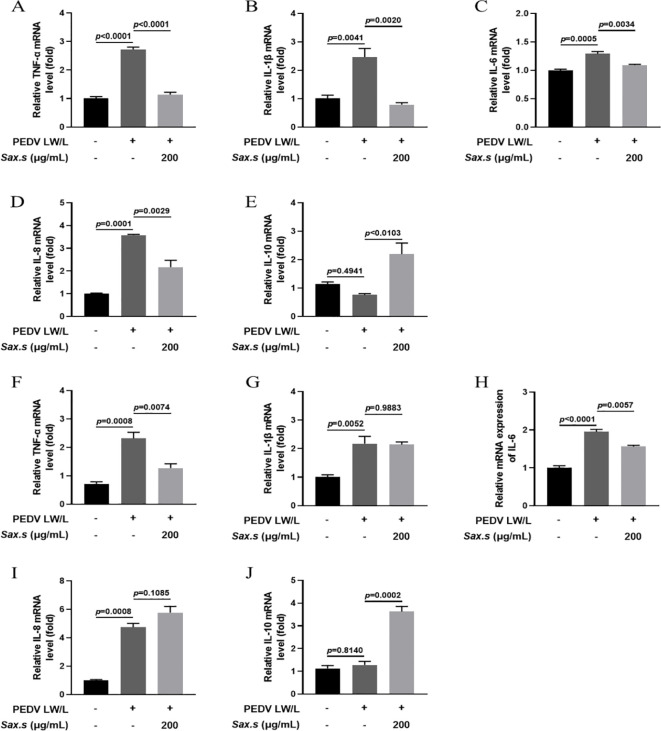 Figure 4
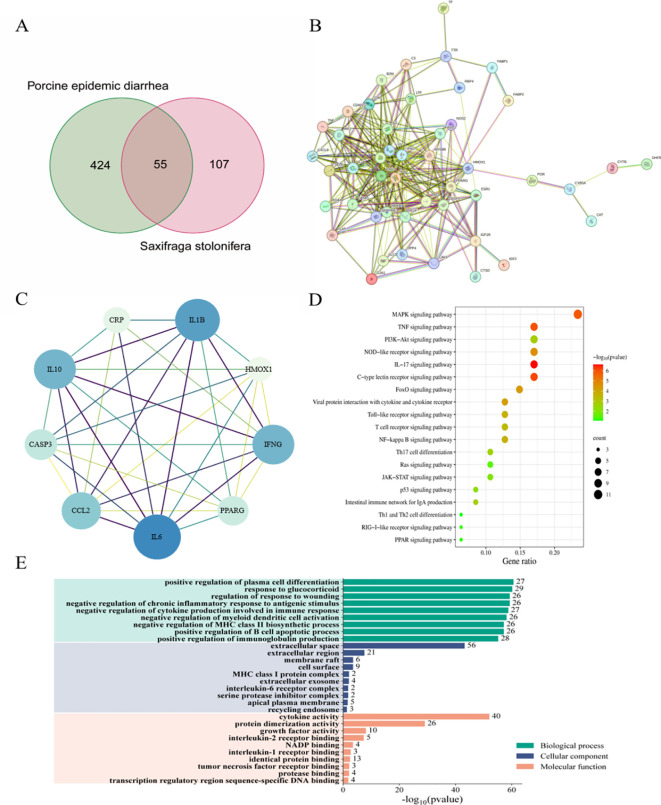 Figure 5
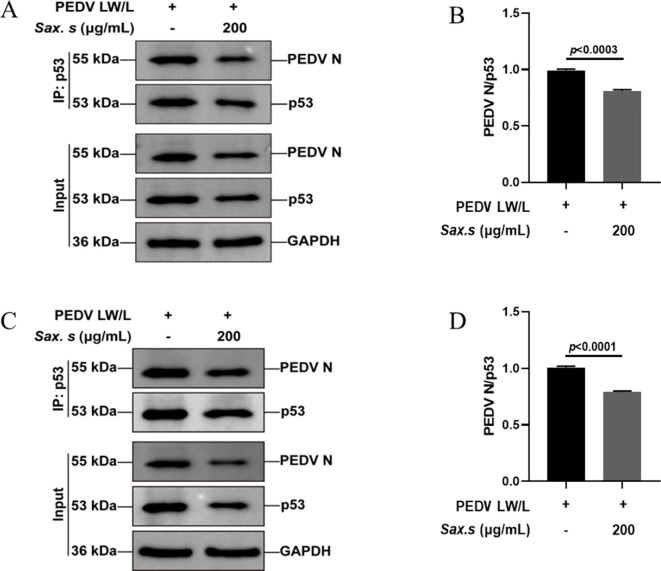 Figure 6
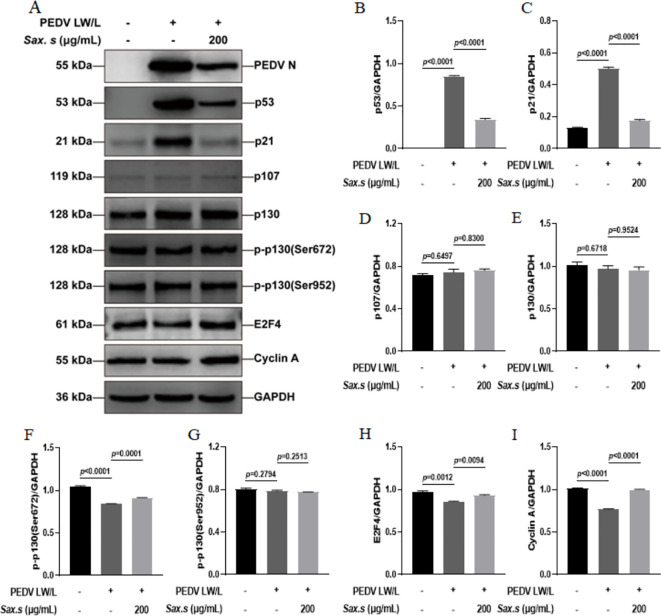 Figure 7
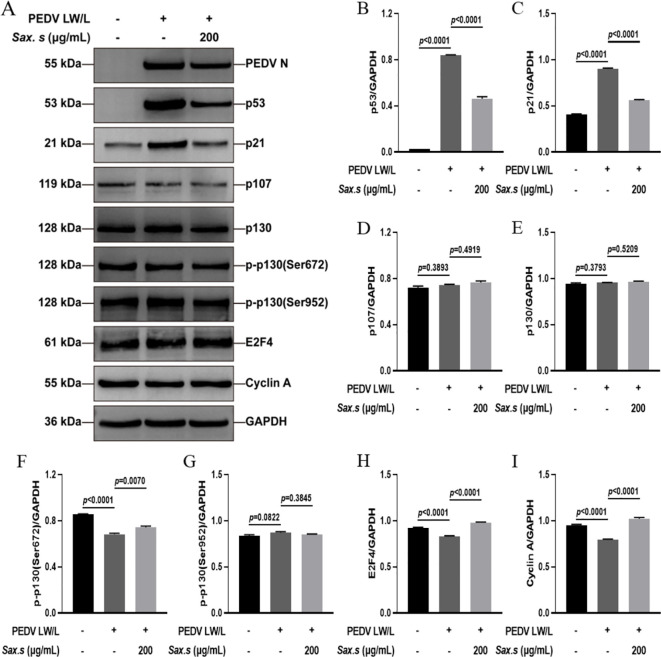 Figure 8
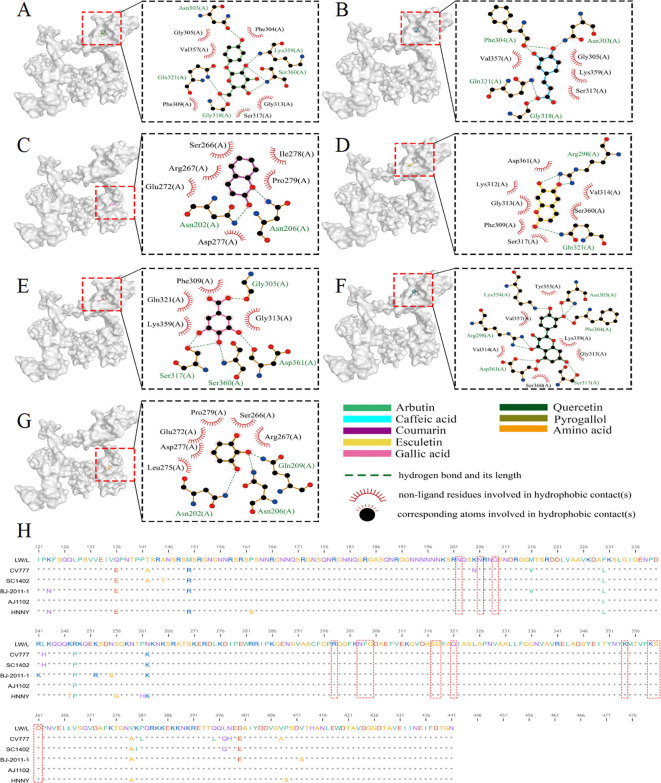 Figure 9
Peer Reviews
No public reviews on file for this paper yet. If you reviewed it on a platform where reviews are public (OpenReview, ICLR, NeurIPS, ICML), you can paste yours below so the community can read it here.
Videos
No videos yet. Explain this paper in a talk, walkthrough, or lecture? Add one.
Taxonomy
TopicsAnimal Virus Infections Studies · Viral gastroenteritis research and epidemiology · Virus-based gene therapy research