Olfactory mucosal mesenchymal stem cells delivered by gelatin sponge scaffolds promote functional recovery of spinal cord injury
Wenshui Li, Xinchen Jiang, Shuo Lu, Wen Lu, Shanshan Ma, Yi Zhuo, Qingtao Gao, Yi Xiao, Binqian Wu, Junyang Xie, Yuhang Yu, Xiangxin Li, Que Deng, Ming Lu

TL;DR
This study shows that using a gelatin sponge to deliver olfactory mucosal stem cells improves recovery after spinal cord injury in rats.
Contribution
A novel approach using gelatin sponge scaffolds to deliver OM-MSCs for spinal cord injury recovery is proposed.
Findings
GS scaffolds loaded with OM-MSCs improved behavioral and hindlimb movement scores in rats with SCI.
The treatment reduced local inflammation and cell pyroptosis in injured spinal cords.
No organ damage was observed from GS or OM-MSC transplantation in rats.
Abstract
Spinal cord injury (SCI) is a pathological condition that damages the central nervous system. Due to the persistence of neuroinflammation after injury, the prognosis is often poor. Recent studies have found that local transplantation of mesenchymal stem cells (MSCs) can improve SCI. However, MSCs retain and engraft at the injured site limit, which may be the reason their effectiveness is greatly reduced. A gelatin sponge (GS), commonly used in clinical practice, was selected as a scaffold to deliver olfactory mucosal mesenchymal stem cells (OM-MSCs). This was done to to enhance local reparative of MSCs at the injury site. We also paid special attention to the biocompatibility of GS co-cultured with OM-MSCs in vitro, and then applied acellular GS and GS loaded with OM-MSCs to the rat SCI model, respectively. After the scaffold was transplanted into rat complete spinal cord injury,…
Genes, proteins, chemicals, diseases, species, mutations and cell lines named across the full text — each resolved to its canonical identifier and authoritative record.
Click any figure to enlarge with its caption.
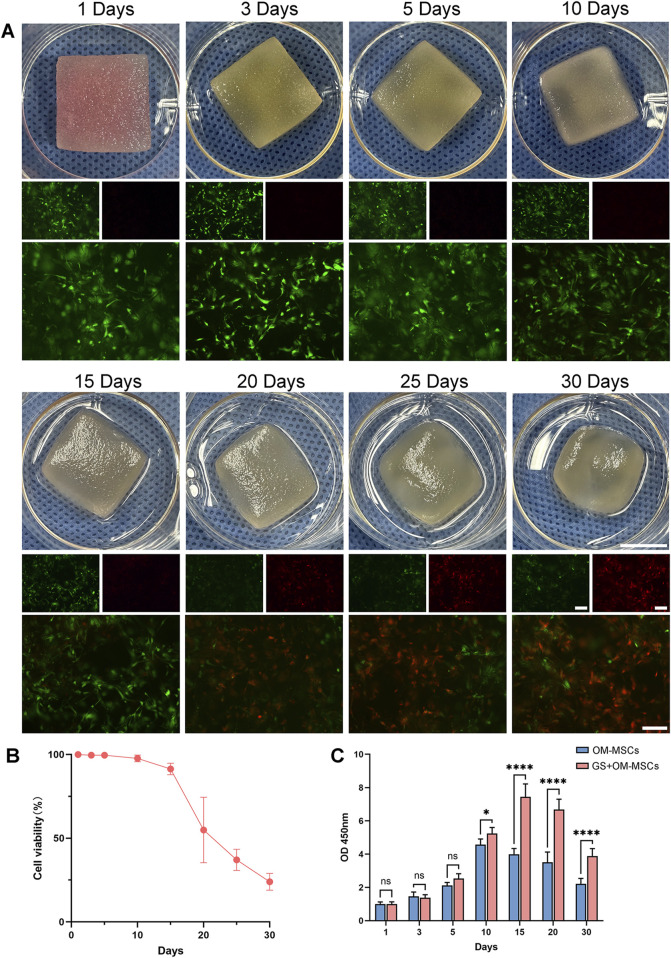 Figure 1
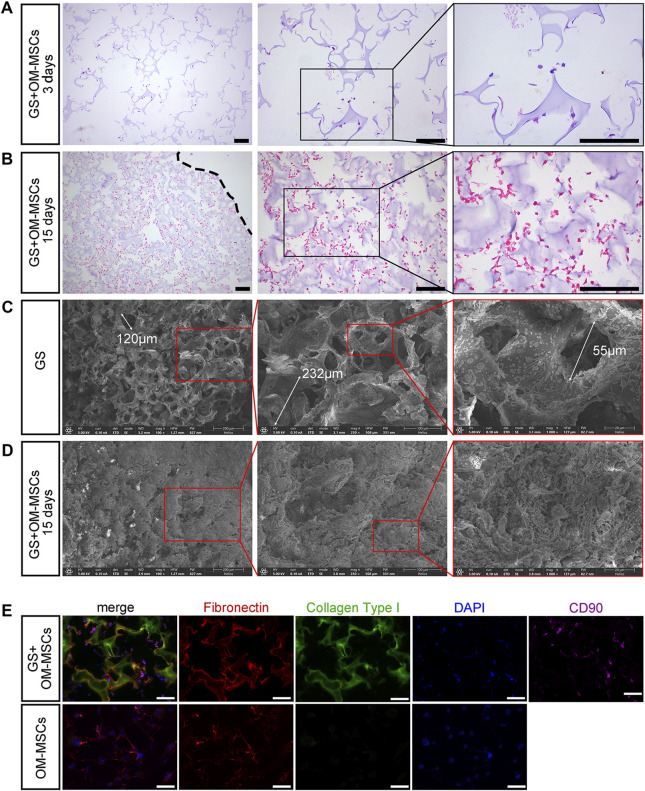 Figure 2
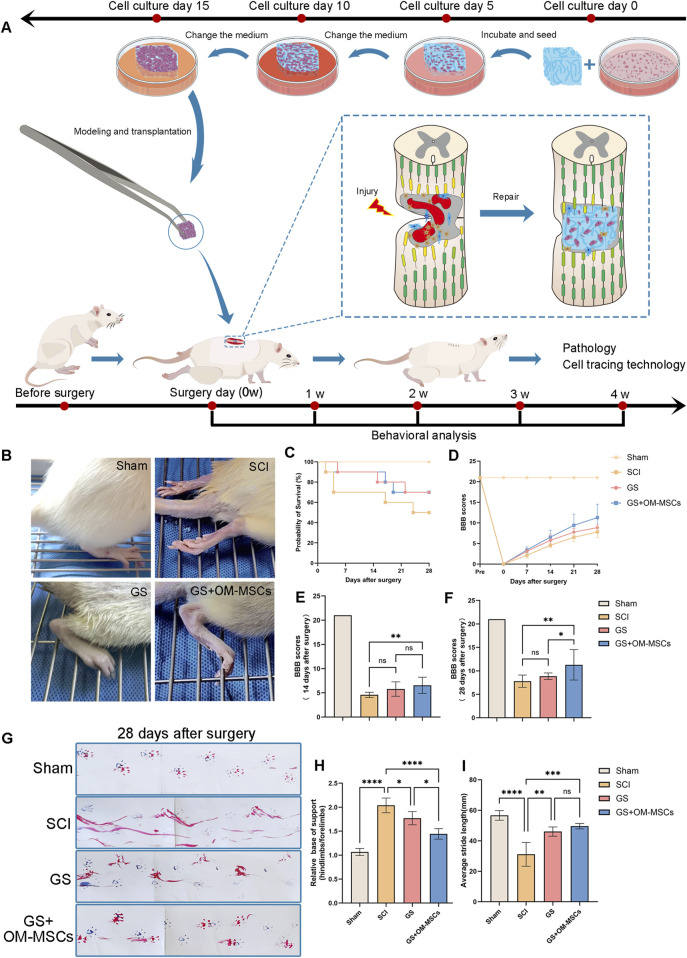 Figure 3
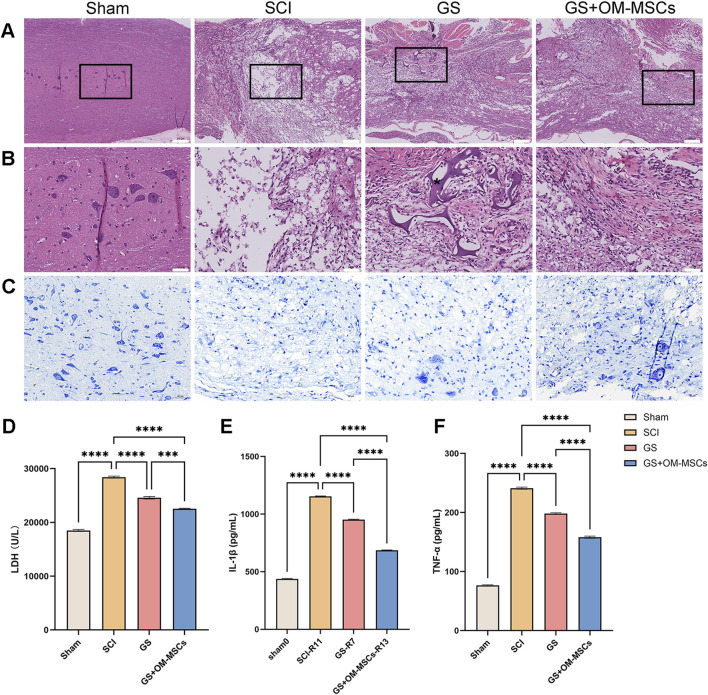 Figure 4
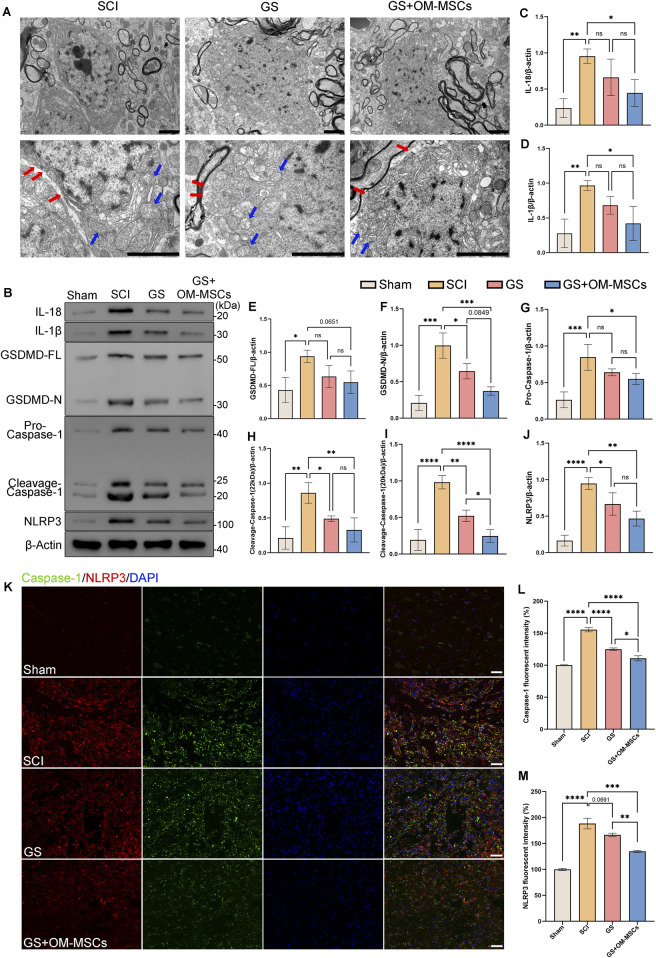 Figure 5
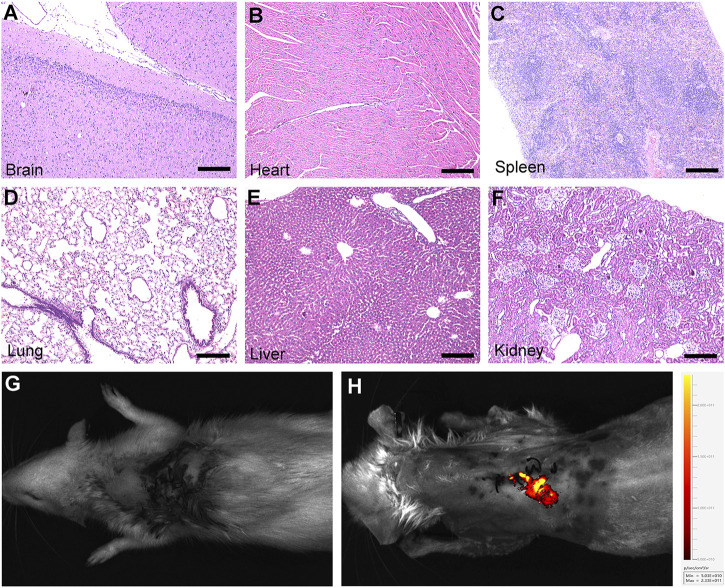 Figure 6
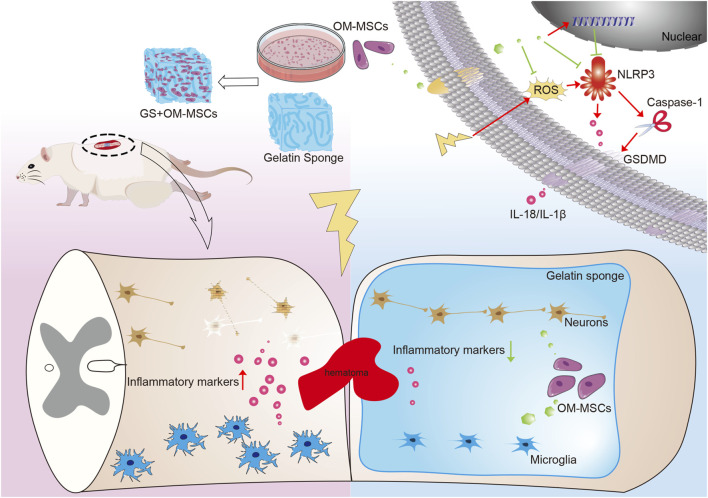 Figure 7
Peer Reviews
No public reviews on file for this paper yet. If you reviewed it on a platform where reviews are public (OpenReview, ICLR, NeurIPS, ICML), you can paste yours below so the community can read it here.
Videos
No videos yet. Explain this paper in a talk, walkthrough, or lecture? Add one.
Taxonomy
TopicsNerve injury and regeneration · Spinal Cord Injury Research · Neurogenesis and neuroplasticity mechanisms