Anti-LGI1 encephalitis and co-existence of MOG-IgG: a case report and literature review
Xiaojiao Ci, Liuyu Lin, Yuqing Wu, Yifang Ma, Jie Lu

TL;DR
This paper reports a rare case of anti-LGI1 encephalitis co-occurring with MOG-IgG and reviews existing literature on the topic.
Contribution
The study highlights the rare coexistence of anti-LGI1 encephalitis and MOG-IgG, emphasizing diagnostic challenges for clinicians.
Findings
Nine papers involving 11 patients showed coexistence of anti-LGI1 and MOG-IgG.
Most cases presented with encephalopathic symptoms, while some showed visual changes.
Low MOG-IgG titers or CSF-only presence were associated with visual symptoms.
Abstract
Anti-leucine-rich glioma-inactivated-1 (LGI1) encephalitis is an autoimmune disorder characterized by antibodies that target LGI1 (LGI1-IgG). It typically presents with cognitive impairment, psychiatric disturbances, and faciobrachial dystonic seizures (FBDS). Myelin oligodendrocyte glycoprotein antibody-associated disease (MOGAD) is currently recognized as a demyelinating disease of the central nervous system (CNS) mediated by antibodies against myelin oligodendrocyte glycoprotein (MOG-IgG). The co-occurrence of anti-LGI1 encephalitis and MOG-IgG is a rare phenomenon. We report a case of anti-LGI1 antibody encephalitis combined with MOG-IgG. A comprehensive literature search was conducted using the PubMed and Embase databases. We utilized the following search terms: (“Limbic Encephalitis”[MeSH Terms] OR (“autoimmune encephalitis”[Title/Abstract] OR “AE”[Title/Abstract])) AND…
Genes, proteins, chemicals, diseases, species, mutations and cell lines named across the full text — each resolved to its canonical identifier and authoritative record.
Click any figure to enlarge with its caption.
 Figure 1
 Figure 2
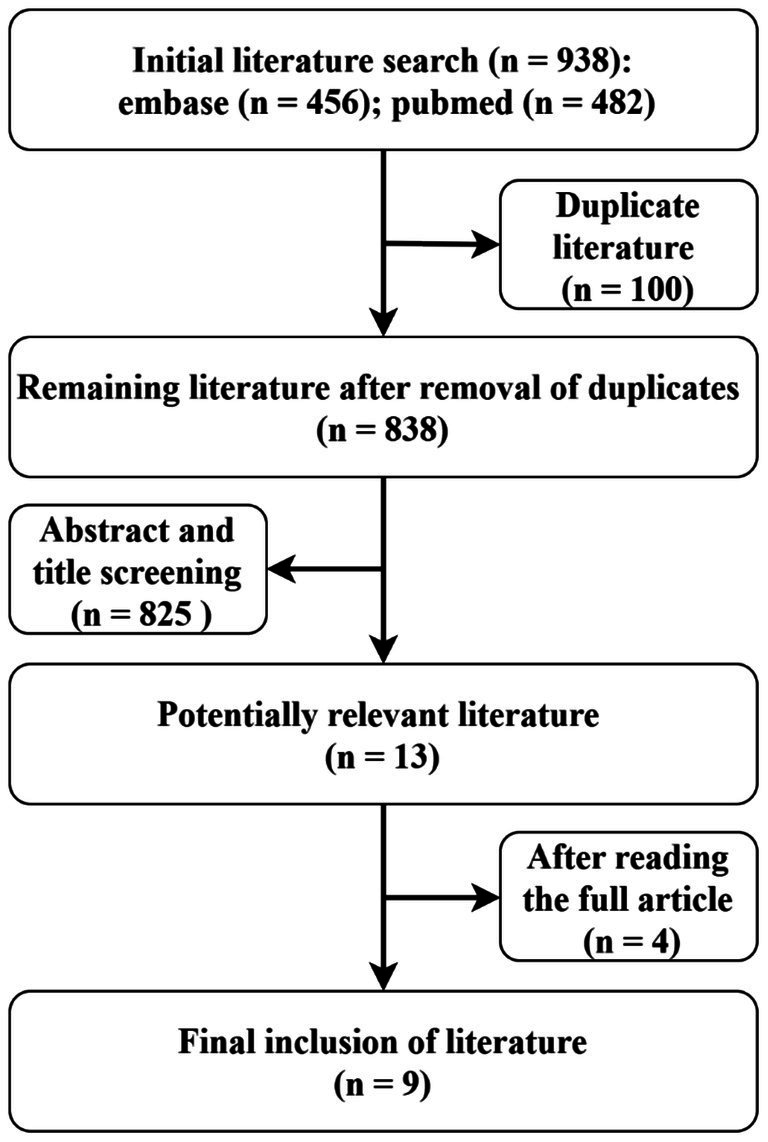 Figure 3
Peer Reviews
No public reviews on file for this paper yet. If you reviewed it on a platform where reviews are public (OpenReview, ICLR, NeurIPS, ICML), you can paste yours below so the community can read it here.
Videos
No videos yet. Explain this paper in a talk, walkthrough, or lecture? Add one.
Taxonomy
TopicsAutoimmune Neurological Disorders and Treatments · Peripheral Neuropathies and Disorders · Complement system in diseases