Case Report: Buccal shifted flap with palatal “C” shape ridge split to facilitate the palatal bone augmentation without compromising the buccal vestibular depth: Report on three cases
Mingfu Ye, Zhaozhao Chen, Wenjun Liu, Hom-Lay Wang

TL;DR
This case report introduces a new surgical technique combining a buccal shifted flap and a palatal ridge split to improve bone augmentation in the upper jaw.
Contribution
The novel technique enables reliable bone regeneration in the posterior maxilla without reducing vestibular depth.
Findings
The combined technique successfully facilitated palatal bone augmentation.
The method surprisingly increased the horizontal contour of the bone.
The approach preserved the buccal vestibular depth during surgery.
Abstract
Due to its dense connective tissue structure, the coronal advancement of the palatal flap is not feasible, making the reconstruction of single-site palatal bone defects particularly challenging. This case report describes the effectiveness and efficacy of an innovative technique combining the buccal shifted flap and palatal “C”-shaped ridge split together during bone augmentation procedures in the posterior maxilla. The described approach not only facilitates obtaining reliable bone regeneration without compromising the vestibular depth, but also surprisingly increases the horizontal contour.
Genes, proteins, chemicals, diseases, species, mutations and cell lines named across the full text — each resolved to its canonical identifier and authoritative record.
Click any figure to enlarge with its caption.
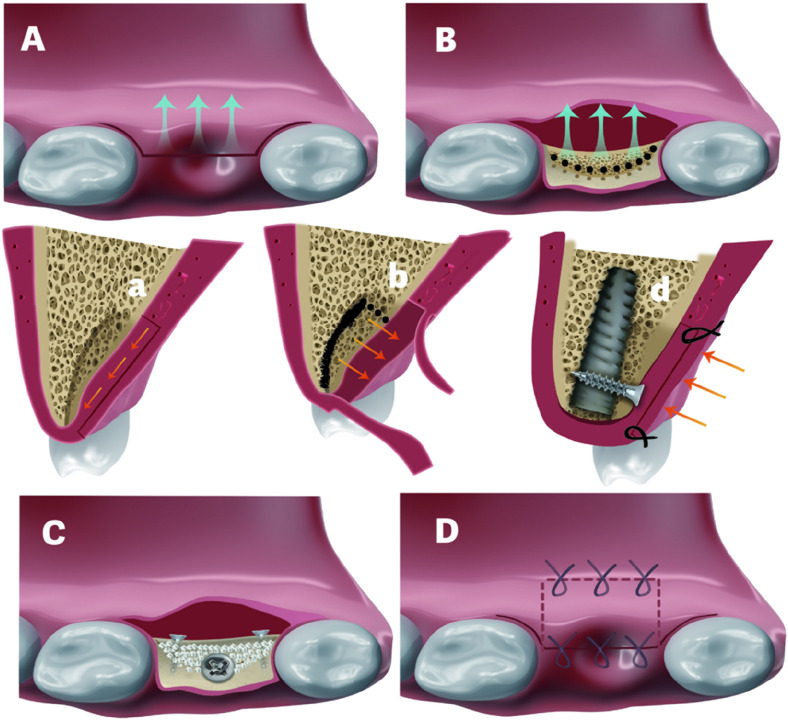 Figure 1
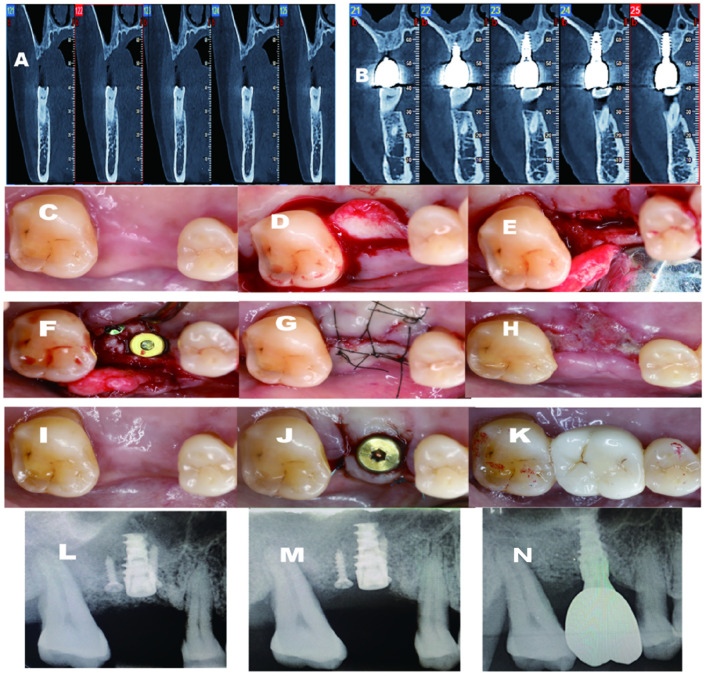 Figure 2
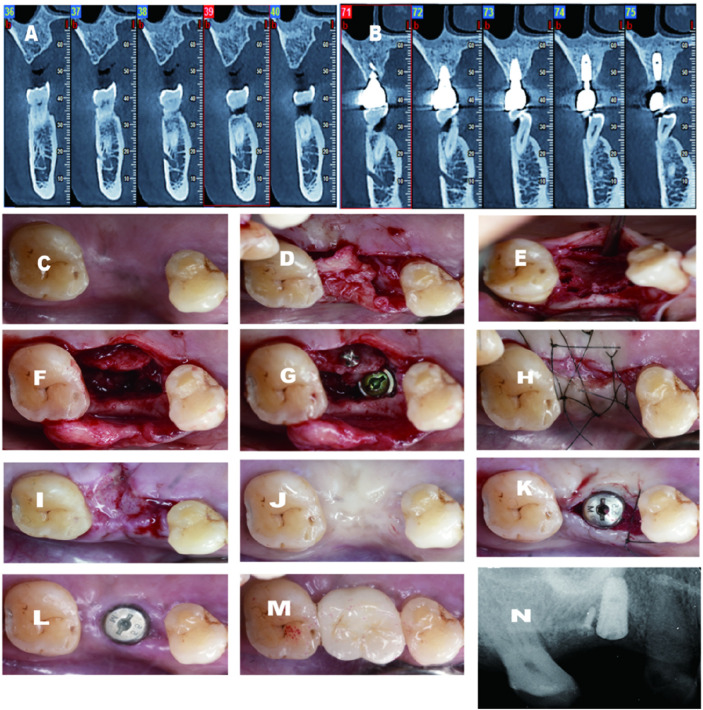 Figure 3
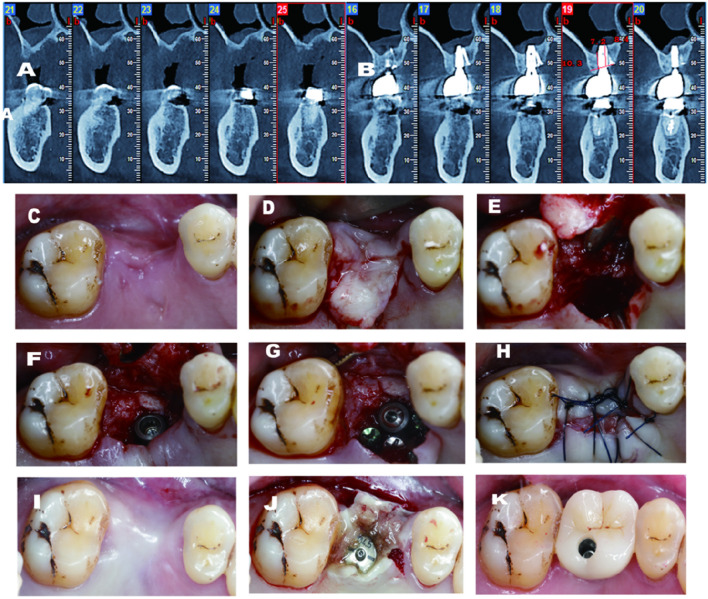 Figure 4
Peer Reviews
No public reviews on file for this paper yet. If you reviewed it on a platform where reviews are public (OpenReview, ICLR, NeurIPS, ICML), you can paste yours below so the community can read it here.
Videos
No videos yet. Explain this paper in a talk, walkthrough, or lecture? Add one.
Taxonomy
TopicsCleft Lip and Palate Research · Dental Implant Techniques and Outcomes · Periodontal Regeneration and Treatments