Patients with symptomatic uncomplicated diverticular disease have high fecal bile acid concentrations
Tsumugi Jono, Yuki Kasai, Takaomi Kessoku, Kosuke Tanaka, Michihiro Iwaki, Takashi Kobayashi, Kota Takahashi, Kosuke Seita, Takayuki Kato, Eiji Sakai, Takeo Kurihashi, Machiko Nakatogawa, Shunsuke Oyamada, Seiji Futagami, Kok-Ann Gwee, Atsushi Nakajima, Antonio Tursi

TL;DR
This study found that patients with symptomatic uncomplicated diverticular disease have higher fecal bile acid levels, which may contribute to their condition and could be a target for treatment.
Contribution
The study identifies elevated fecal bile acid concentrations as a potential factor in the pathogenesis of symptomatic uncomplicated diverticular disease.
Findings
Fecal bile acid concentrations were significantly higher in patients with SUDD compared to non-SUDD and healthy controls.
Fecal calprotectin and blood endotoxin activity levels were elevated in SUDD patients compared to other groups.
Total bile acids showed a mild positive correlation with markers of inflammation in SUDD patients.
Abstract
Symptomatic uncomplicated diverticular disease (SUDD) causes persistent pain and impairs patient quality of life; however, its pathogenesis remains unknown. This study investigated the relationship between SUDD and the inflammatory effects of intestinal bile acids (BAs). Five institutional cohorts with 361 total patients who received outpatient treatment for abdominal symptoms (from 2020 to 2022) were included in this prospective cohort study. All patients underwent colonoscopy. SUDD was defined as the presence of recurrent abdominal symptoms—pain in the lower quadrant lasting >24 h—in patients with diverticulosis at the site of pain. Patients with diverticula were classified into SUDD and non-SUDD groups. The healthy control (HC) group comprised people with no history of medications and no evidence of colonic diverticula. Liquid chromatography-mass spectrometry determined the…
Genes, proteins, chemicals, diseases, species, mutations and cell lines named across the full text — each resolved to its canonical identifier and authoritative record.
Click any figure to enlarge with its caption.
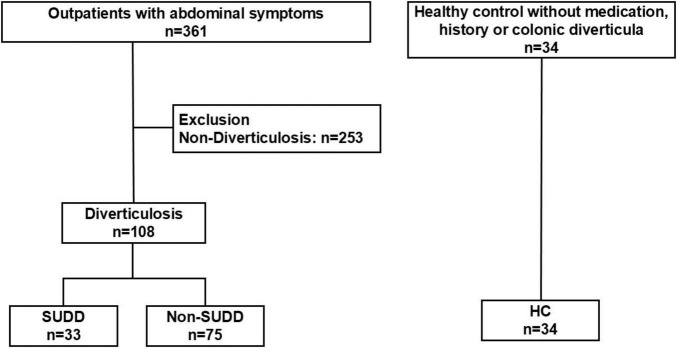 Figure 1
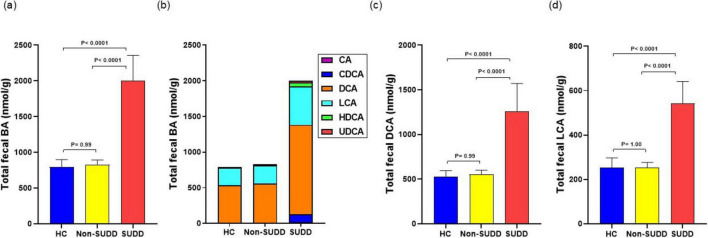 Figure 2
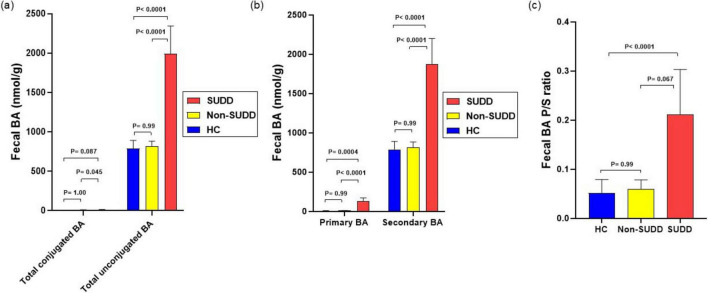 Figure 3
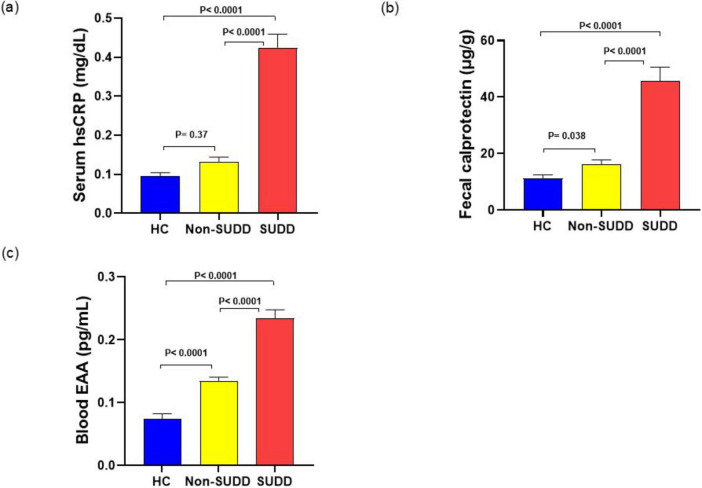 Figure 4
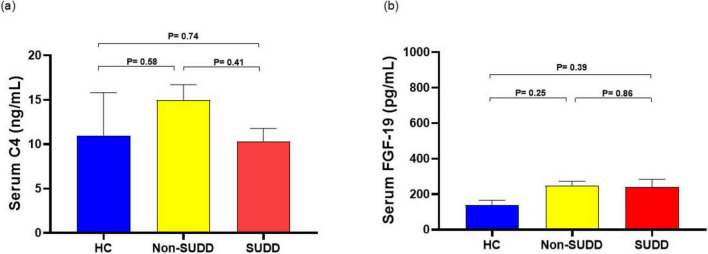 Figure 5
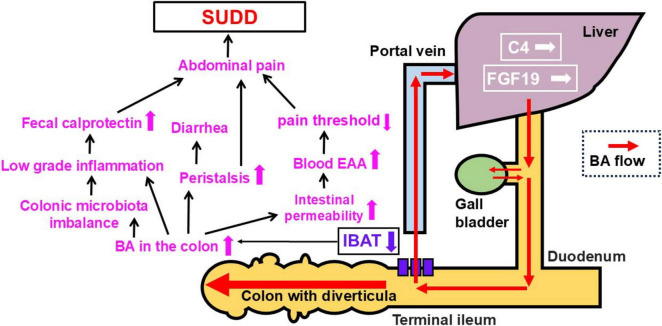 Figure 6
Peer Reviews
No public reviews on file for this paper yet. If you reviewed it on a platform where reviews are public (OpenReview, ICLR, NeurIPS, ICML), you can paste yours below so the community can read it here.
Videos
No videos yet. Explain this paper in a talk, walkthrough, or lecture? Add one.
Taxonomy
TopicsDiverticular Disease and Complications · Gastrointestinal disorders and treatments · Pelvic floor disorders treatments