Paediatric cranial ultrasound: abnormalities of the brain in term neonates and young infants
Caoilfhionn Ní Leidhin, Michael Paddock, Paul M. Parizel, Richard R. Warne, Peter Shipman, Rahul Lakshmanan

TL;DR
This paper reviews how cranial ultrasound can detect various brain abnormalities in term neonates and young infants, highlighting some rarely described conditions.
Contribution
The paper presents a comprehensive review of rarely described brain pathologies detectable via cranial ultrasound in term neonates and infants.
Findings
Cranial ultrasound is effective in detecting diverse central nervous system pathologies in term neonates and infants.
Some pathologies, such as certain vascular and genetic disorders, are rarely described using cranial ultrasound.
The review includes sonographic characteristics of conditions like infections, tumours, and trauma.
Abstract
Cranial ultrasound is a critical screening tool in the detection of cerebral abnormalities in term neonates and infants, and is complementary to other imaging modalities. This pictorial review illustrates the diverse central nervous system pathologies which can affect the term neonatal and infantile brain, including vascular abnormalities (hypoxic ischaemic injury, perinatal arterial ischaemic stroke, cerebral sinovenous thrombosis, vein of Galen aneurysmal malformations, subpial haemorrhage, and dural sinus malformations); infections (congenital (cytomegalovirus and toxoplasmosis) and bacterial meningoencephalitis); genetic disorders and malformations (callosal agenesis, tuberous sclerosis, developmental megalencephaly, lissencephaly-pachygyria, and grey matter heterotopia); tumours (choroid plexus papilloma, atypical teratoid/rhabdoid tumour, and desmoplastic infantile glioma) and…
Genes, proteins, chemicals, diseases, species, mutations and cell lines named across the full text — each resolved to its canonical identifier and authoritative record.
Click any figure to enlarge with its caption.
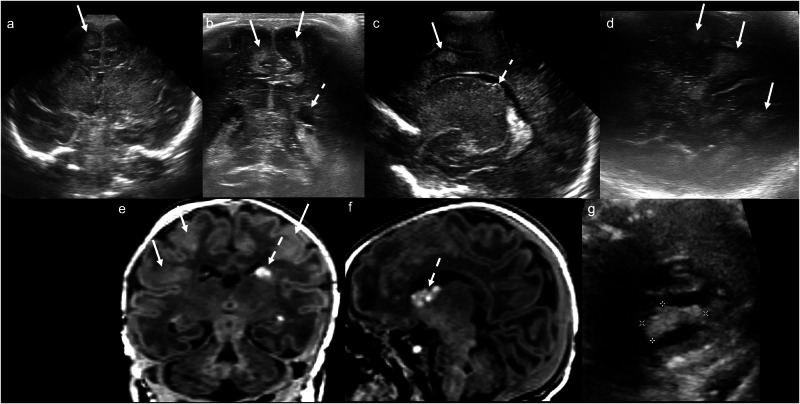 Figure 10
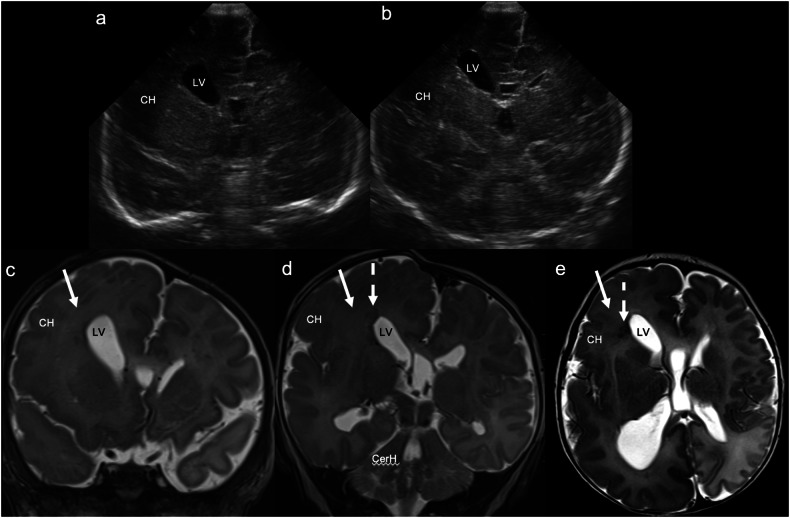 Figure 11
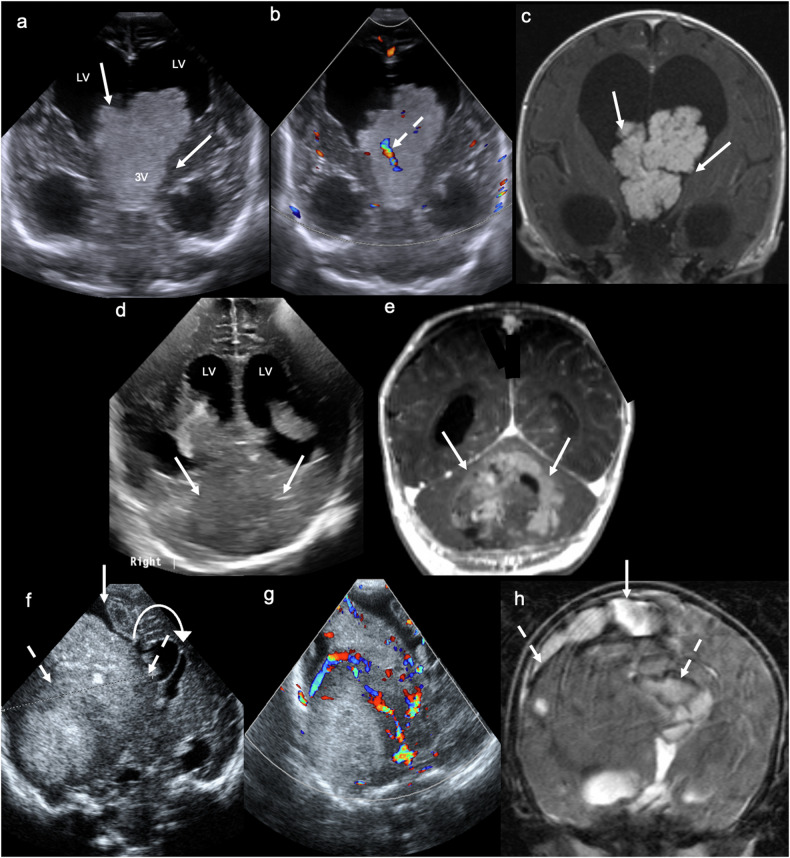 Figure 12
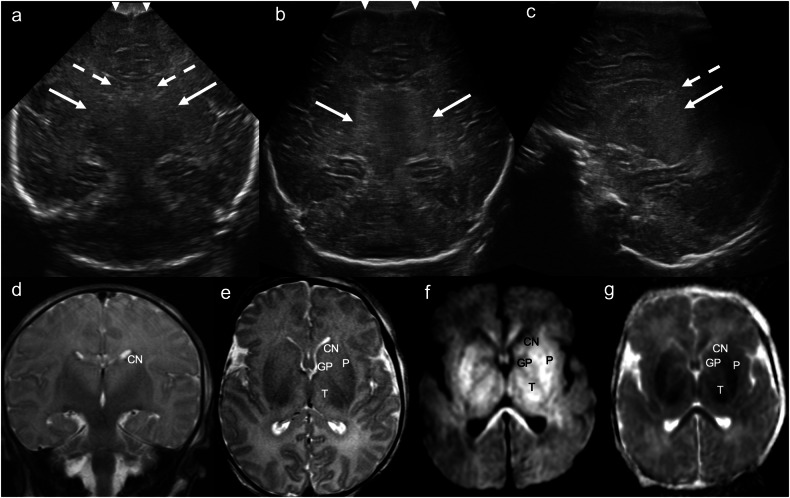 Figure 1
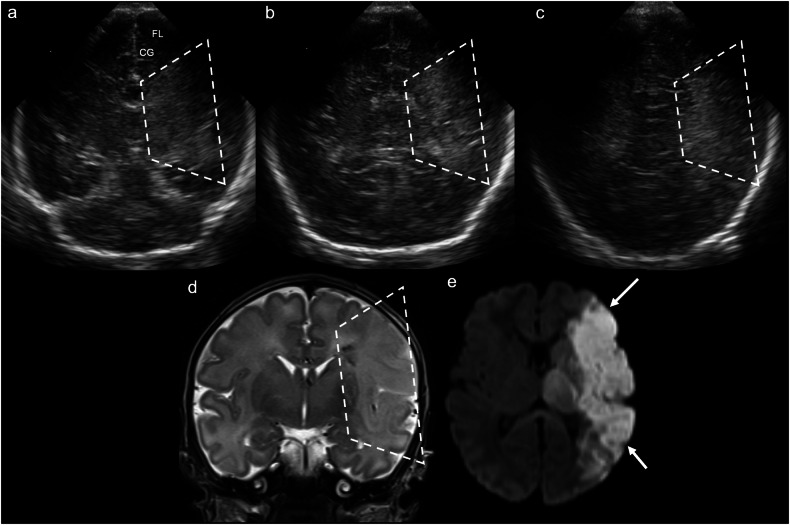 Figure 2
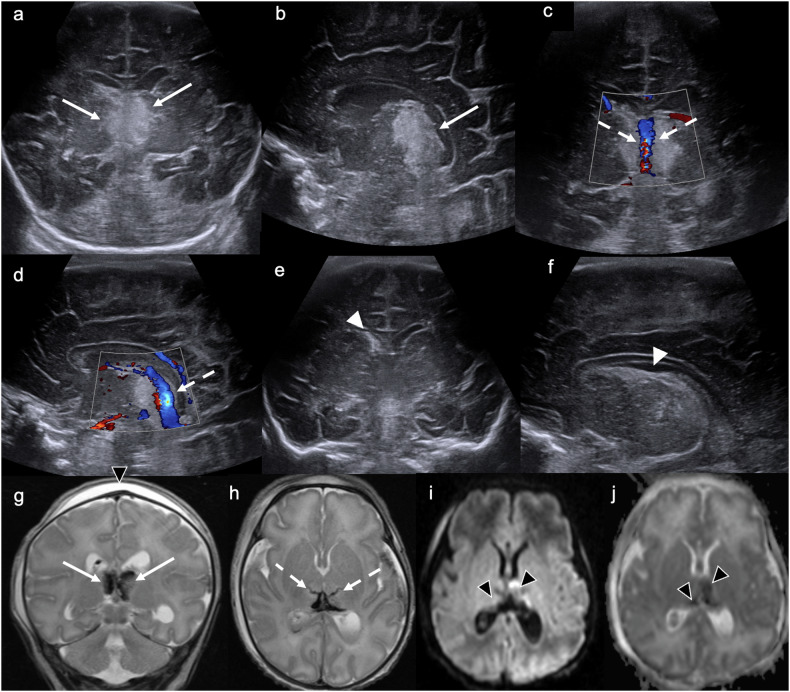 Figure 3
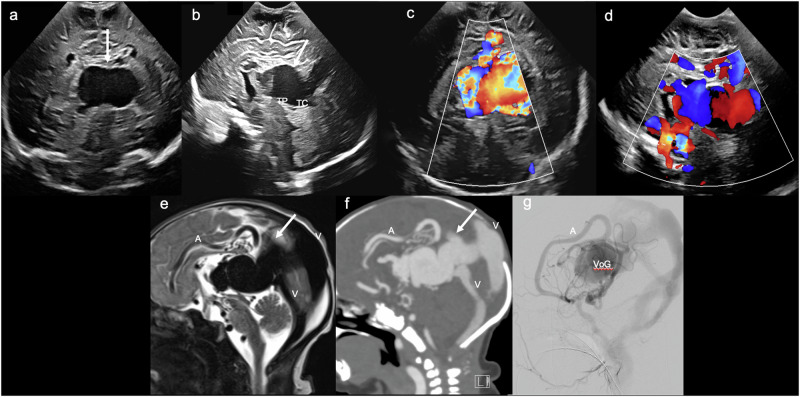 Figure 4
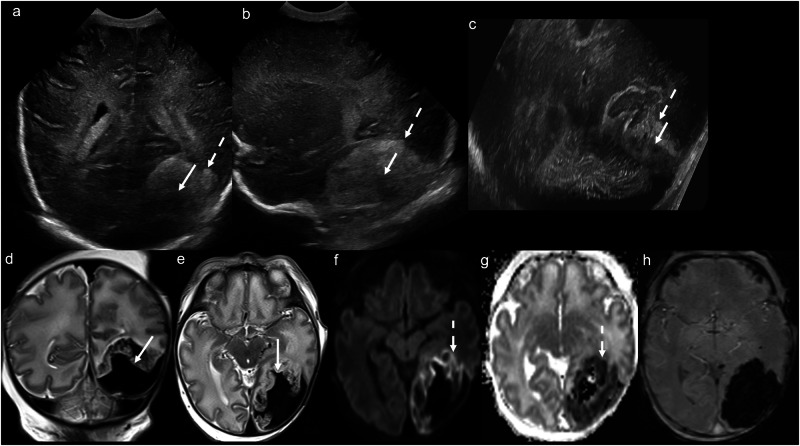 Figure 5
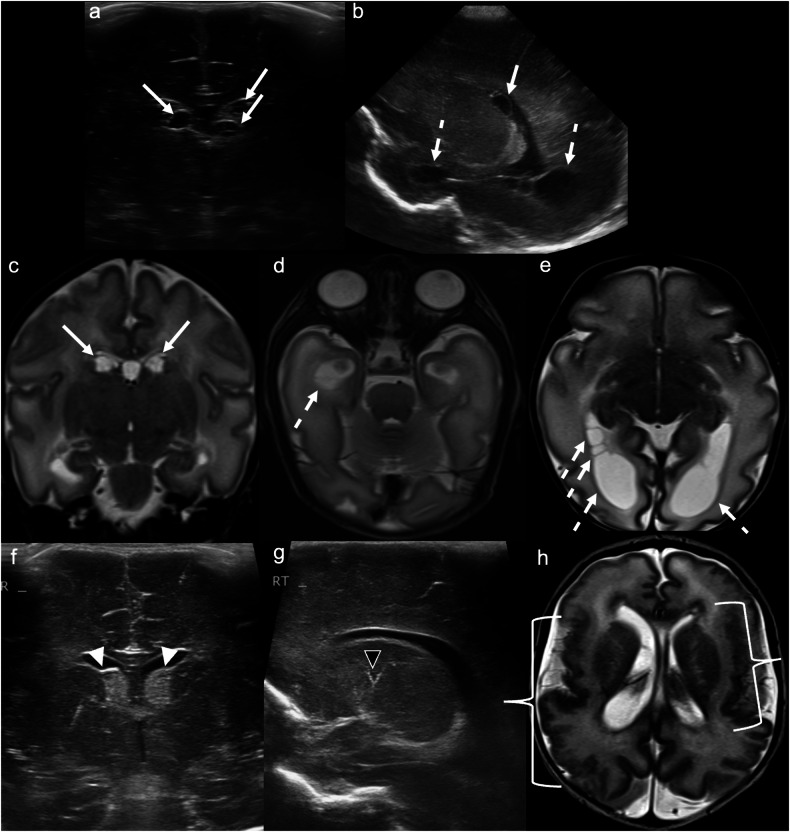 Figure 6
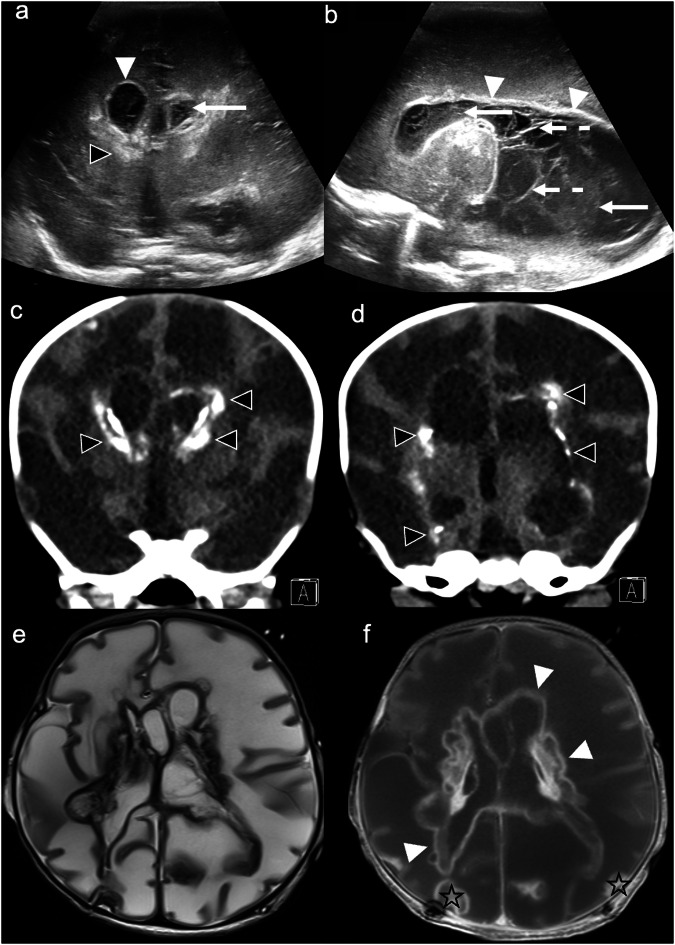 Figure 7
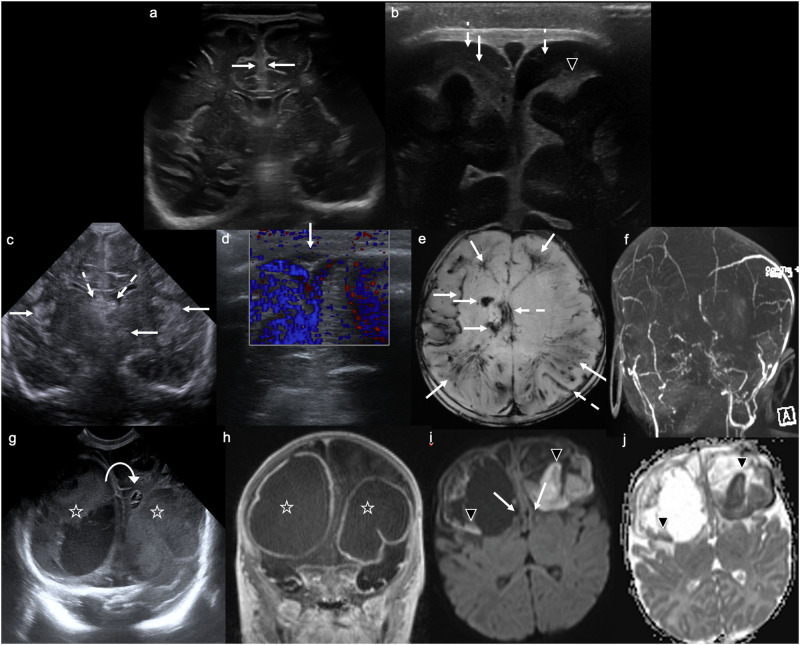 Figure 8
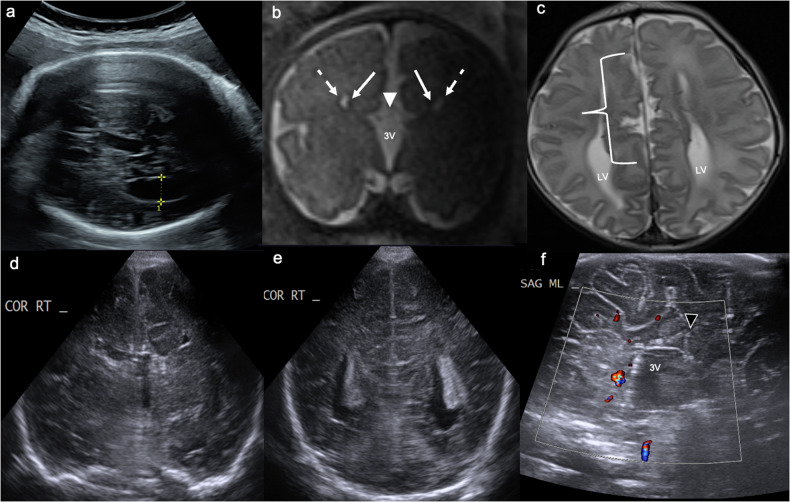 Figure 9
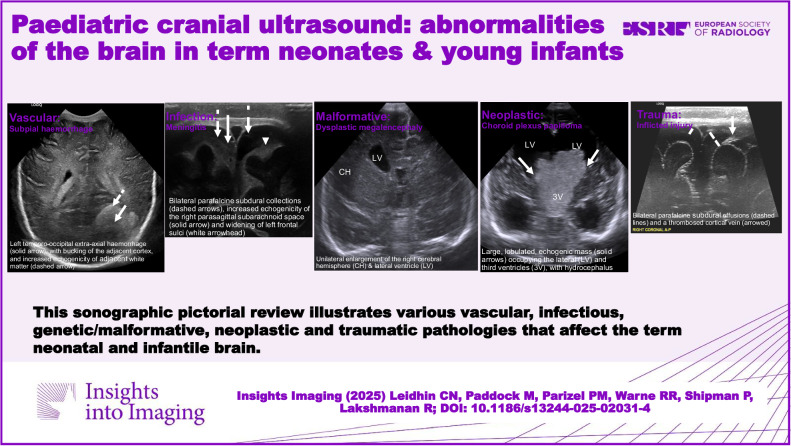 Figure 13
Peer Reviews
No public reviews on file for this paper yet. If you reviewed it on a platform where reviews are public (OpenReview, ICLR, NeurIPS, ICML), you can paste yours below so the community can read it here.
Videos
No videos yet. Explain this paper in a talk, walkthrough, or lecture? Add one.
Taxonomy
TopicsFetal and Pediatric Neurological Disorders · Cerebrospinal fluid and hydrocephalus · Congenital Diaphragmatic Hernia Studies