Construction of mitochondrial signature (MS) for the prognosis of ovarian cancer
Miao Ao, You Wu, Kunyu Wang, Haixia Luo, Wei Mao, Anqi Zhao, Xiaomeng Su, Yan Song, Bin Li

TL;DR
This study identifies mitochondrial genes linked to ovarian cancer prognosis and introduces a new biomarker, OAT, for predicting patient survival and immune response.
Contribution
The novel contribution is the construction of a mitochondrial signature (MS) and the identification of OAT as a new prognostic biomarker for ovarian cancer.
Findings
21 mitochondria-related genes were identified to construct a prognostic model with strong performance in ovarian cancer.
OAT is a novel biomarker associated with poor survival and immune escape in ovarian cancer patients.
High OAT expression was confirmed in ovarian cancer cell lines compared to normal cells.
Abstract
Ovarian cancer (OV) continues to be the most lethal type of gynecological cancer with a poor prognosis. During tumorigenesis and cancer advancement, mitochondria are key players in energy metabolism. This study focuses on exploring the mitochondria-related genes for the prognosis of OV. RNA expression profiles and single-cell data were acquired from The Cancer Genome Atlas (TCGA), International Cancer Genome Consortium (ICGC), and Gene Expression Omnibus databases for screening and validating mitochondria-related differentially expressed genes (DEGs). After univariate Cox analysis, prognostic genes were carried out for modeling mitochondria signature (MS) based on 101 combinations of 10 machine learning algorithms. Functional enrichment analysis was performed on this prognostic gene set. Immune infiltration analysis was performed between MS groups. Validation for the prognostic model…
Genes, proteins, chemicals, diseases, species, mutations and cell lines named across the full text — each resolved to its canonical identifier and authoritative record.
Click any figure to enlarge with its caption.
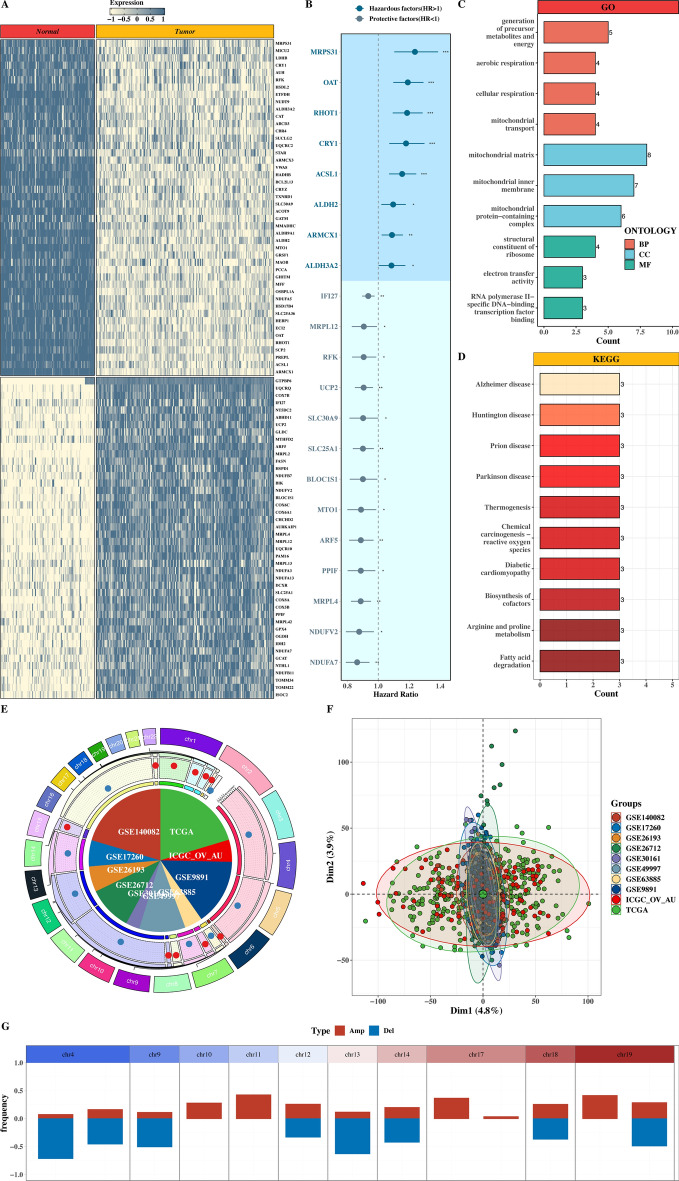 Figure 1
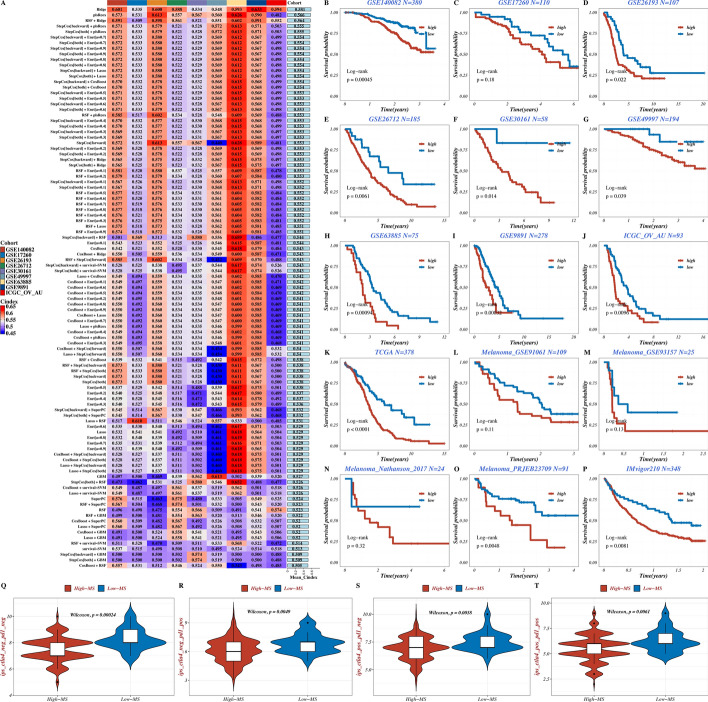 Figure 2
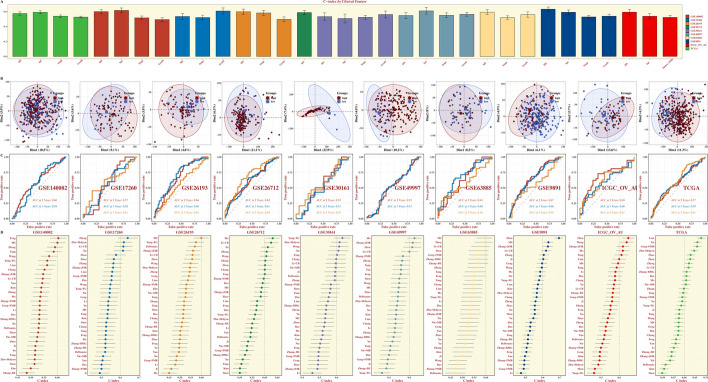 Figure 3
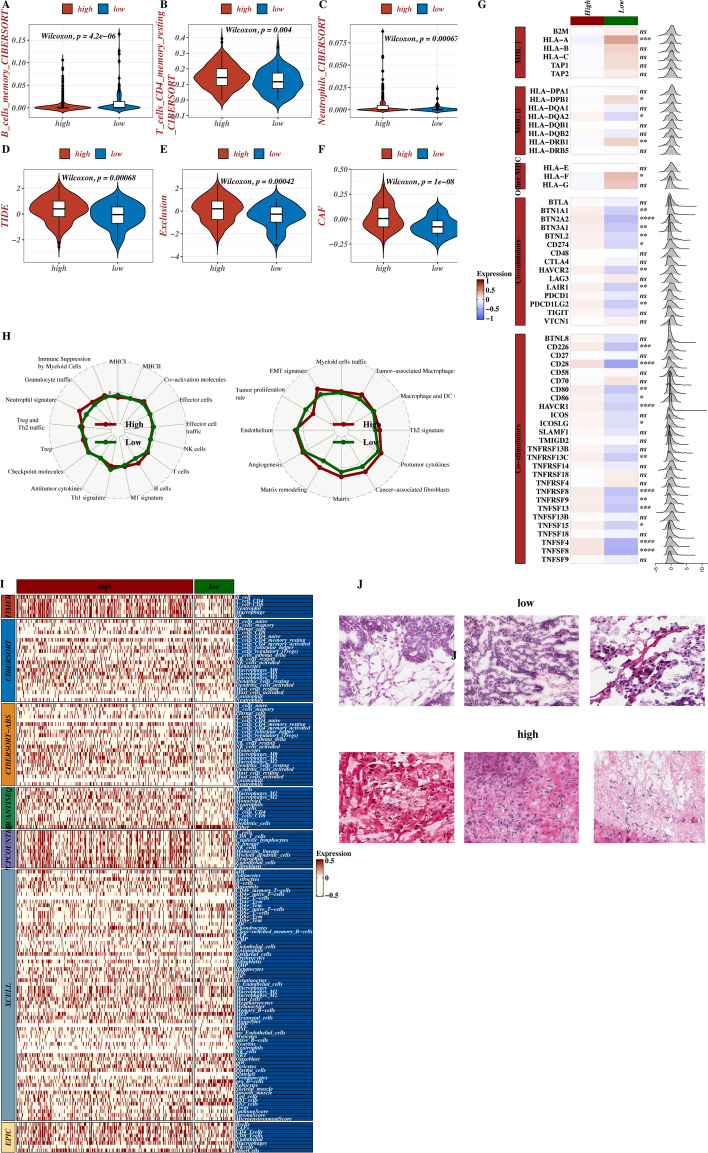 Figure 4
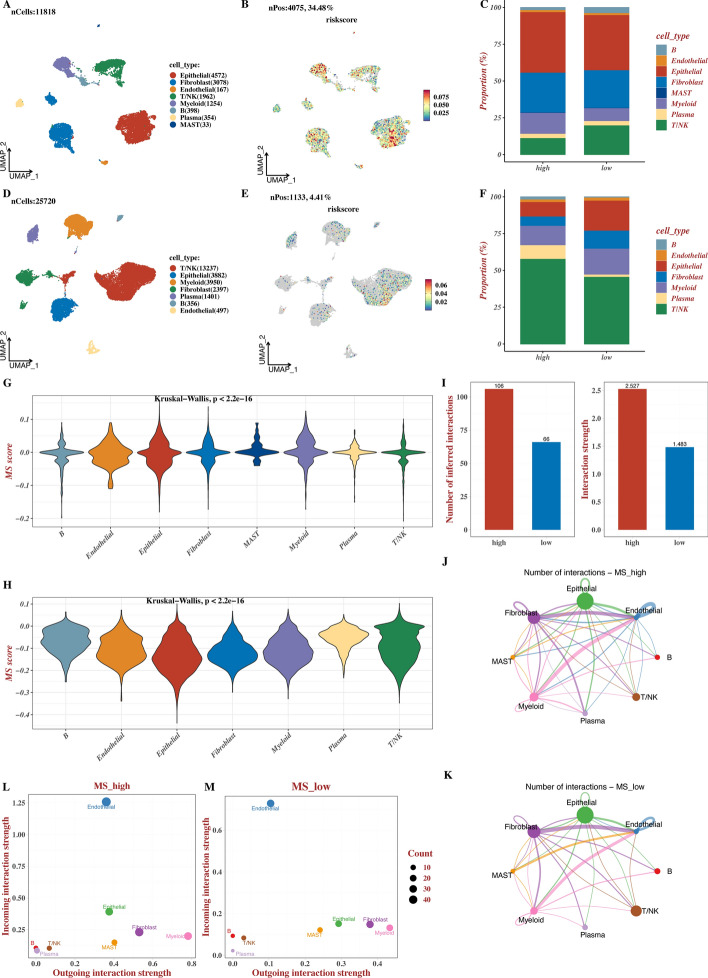 Figure 5
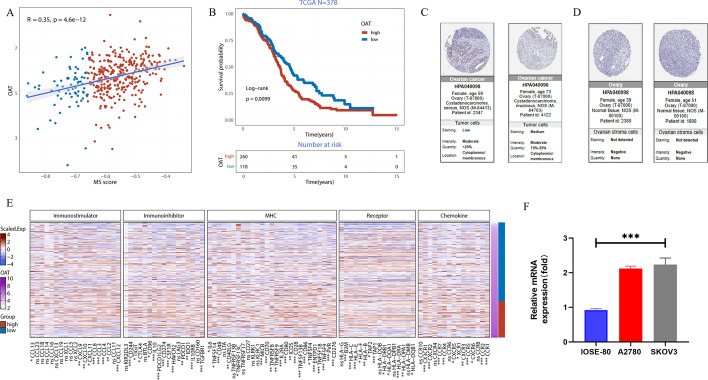 Figure 6
Peer Reviews
No public reviews on file for this paper yet. If you reviewed it on a platform where reviews are public (OpenReview, ICLR, NeurIPS, ICML), you can paste yours below so the community can read it here.
Videos
No videos yet. Explain this paper in a talk, walkthrough, or lecture? Add one.
Taxonomy
TopicsFerroptosis and cancer prognosis · RNA modifications and cancer · Cancer-related molecular mechanisms research