The Use of Partial Textual Stimuli within an Interactive Task for Increasing Reports of Past Behavior with a Child with Autism
Masyn S. McWilliams, Robbie J. Hanson

TL;DR
This study shows that using partial textual stimuli in interactive tasks can help a child with autism better report past behaviors.
Contribution
The study introduces the use of novel materials and partial textual stimuli in interactive tasks for children with autism.
Findings
Reports of past behavior increased following the intervention across three activities.
The child showed an increase in varied responses after the intervention.
Abstract
Individuals with autism spectrum disorder (ASD) may face challenges with reporting past behavior. Although some behavior-analytic studies have shown success with increasing these reports, the use of materials within activities that do not repeat has not been assessed (e.g., Shillingsburg et al., 2017). Thus, the purpose of the current study was to expand upon previous research (e.g., Shillingsburg et al. 2017; 2019) by utilizing novel materials within activities completed and examining the use of partial textual stimuli within an interactive task to increase reports of past behavior for one child with autism. The results showed an increase in reports of past behavior following intervention across three activities as well as an increase in varied responses.
Genes, proteins, chemicals, diseases, species, mutations and cell lines named across the full text — each resolved to its canonical identifier and authoritative record.
Click any figure to enlarge with its caption.
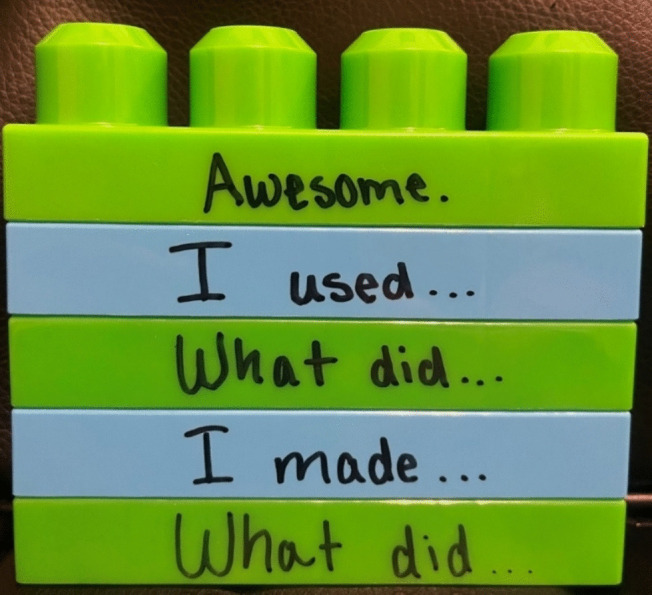 Figure 1
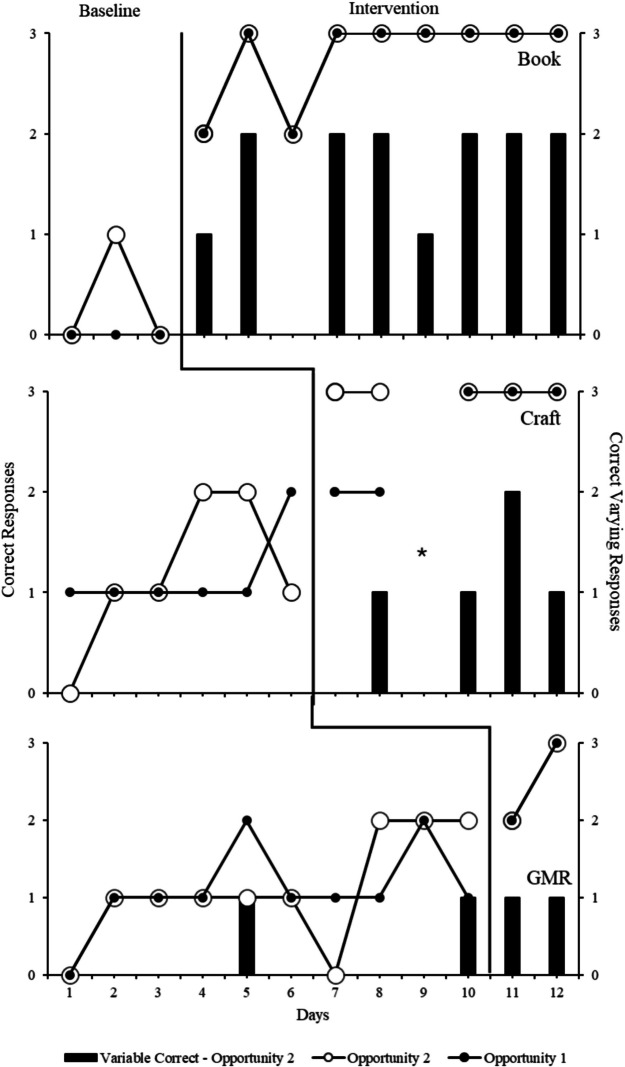 Figure 2
Peer Reviews
No public reviews on file for this paper yet. If you reviewed it on a platform where reviews are public (OpenReview, ICLR, NeurIPS, ICML), you can paste yours below so the community can read it here.
Videos
No videos yet. Explain this paper in a talk, walkthrough, or lecture? Add one.
Taxonomy
TopicsBehavioral and Psychological Studies · Autism Spectrum Disorder Research · Attention Deficit Hyperactivity Disorder