Prognostic significance of the mEPE score in intermediate-risk prostate cancer patients undergoing ultrahypofractionated robotic SBRT
Lucas Mose, Laura Isabel Loebelenz, Alexander Althaus, Maiwand Ahmadsei, Etienne Mathier, Isabelle Broemel, Daniel M. Aebersold, Verena Carola Obmann, Mohamed Shelan

TL;DR
This study shows that a high mEPE score in intermediate-risk prostate cancer patients is linked to a higher chance of treatment failure after robotic SBRT.
Contribution
The study identifies the mEPE score as a strong predictor of biochemical failure in prostate cancer patients treated with ultrahypofractionated SBRT.
Findings
A high mEPE score of 5 was strongly associated with lower biochemical failure-free survival.
Higher radiation doses (36.25 Gy vs. 35 Gy) were linked to better outcomes.
A PSA nadir above 1 ng/ml was also associated with lower survival rates.
Abstract
This study aimed to evaluate the prognostic significance of magnetic resonance imaging (MRI) parameters on biochemical failure-free survival (BFS) in patients diagnosed with intermediate-risk prostate cancer and treated with robotic ultrahypofractionated stereotactic body radiotherapy (SBRT) without androgen deprivation therapy (ADT). A retrospective analysis was conducted in patients with intermediate-risk prostate cancer undergoing robotic SBRT delivered in five fractions with a total radiation dose of 35–36.25 Gy. The primary endpoint was biochemical failure as defined by the Phoenix criteria. Among other clinicopathological data, T stage, Prostate Imaging-Reporting and Data System (PI-RADS) score, and multiparametric magnetic resonance imaging-based extra-prostatic extension (mEPE) score were collected and analyzed using the log-rank test. A total of 74 patients were eligible for…
Genes, proteins, chemicals, diseases, species, mutations and cell lines named across the full text — each resolved to its canonical identifier and authoritative record.
Click any figure to enlarge with its caption.
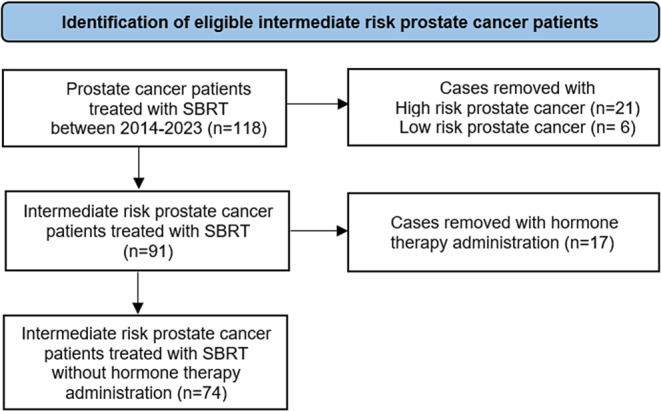 Figure 1
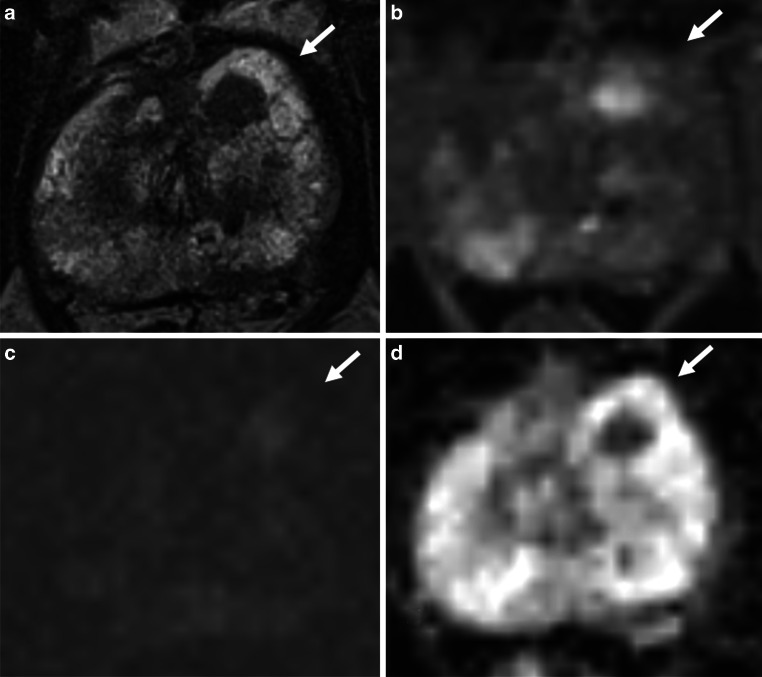 Figure 2
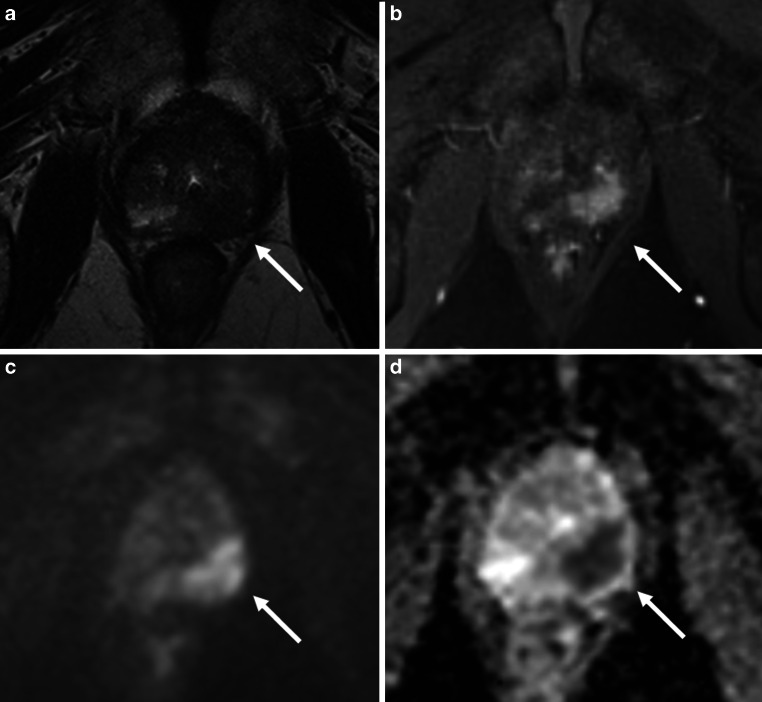 Figure 3
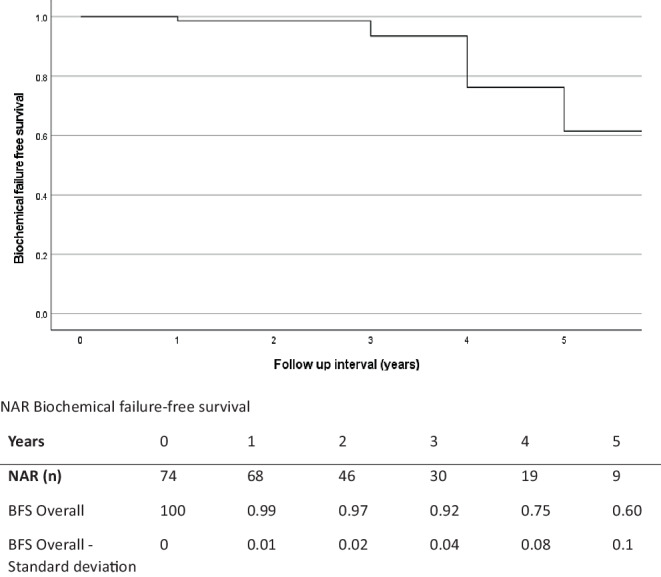 Figure 4
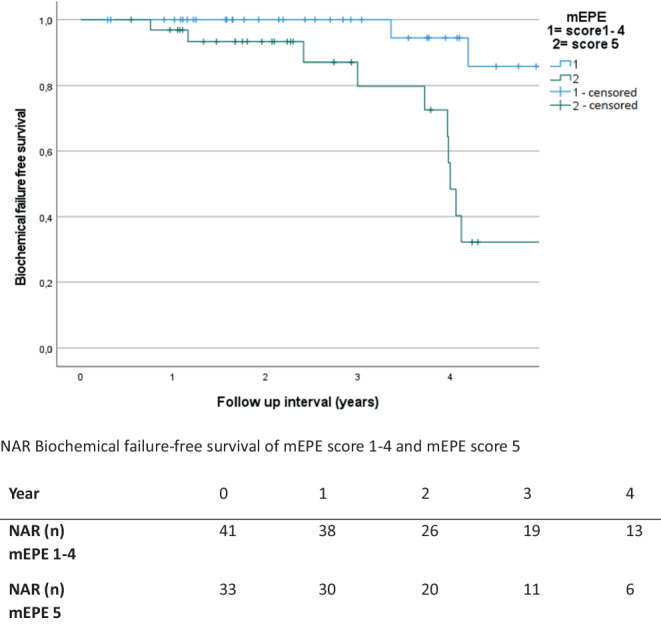 Figure 5
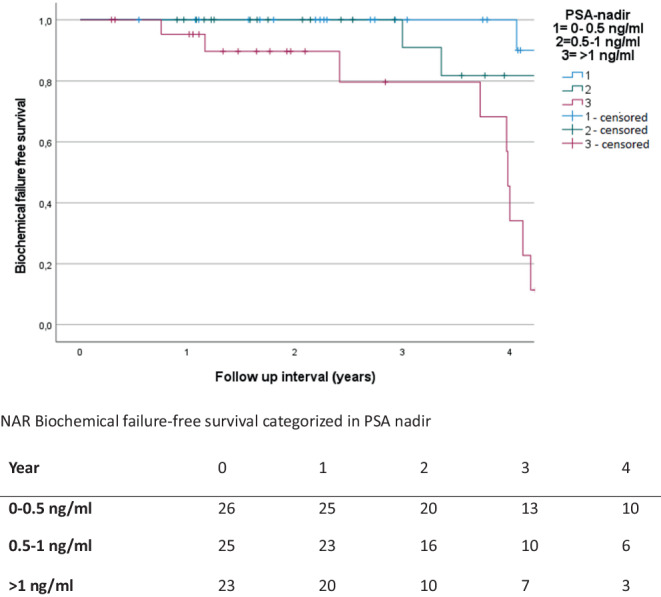 Figure 6
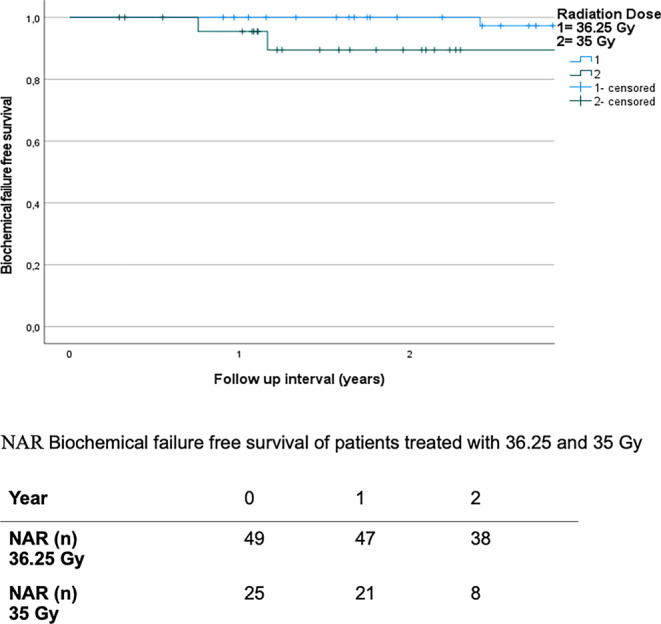 Figure 7
Peer Reviews
No public reviews on file for this paper yet. If you reviewed it on a platform where reviews are public (OpenReview, ICLR, NeurIPS, ICML), you can paste yours below so the community can read it here.
Videos
No videos yet. Explain this paper in a talk, walkthrough, or lecture? Add one.
Taxonomy
TopicsProstate Cancer Diagnosis and Treatment · Prostate Cancer Treatment and Research · Advanced Radiotherapy Techniques