Does extended follow-up period after birth improve precision of diagnosis of congenital anomalies? An observational study based on the Berlin Embryotox project
Corinna Weber-Schoendorfer, Nadia Maaß, Lukas Lohse, Evelin Beck, Christof Schaefer, Katarina Dathe

TL;DR
Extending the follow-up period after birth improves the accuracy of diagnosing congenital anomalies, especially up to 6 months of age.
Contribution
The study shows that most new information about birth defects and genetic disorders emerges within the first 6 months after birth.
Findings
The rate of major birth defects increased from 3.7% to 4.8% with extended follow-up.
Only one-third of genetic disorders were diagnosed during the neonatal period, with another third identified by 6 months.
The largest gain in diagnostic information occurred between 8 weeks and 6 months post-birth.
Abstract
The aetiology of congenital anomalies is often difficult to assess. Genetic abnormalities can play a role or exogenous factors such as maternal medication during pregnancy. Observational studies require reliable data on both gestational time and dosage of drug exposure during pregnancy and, if applicable, on precise description of congenital anomalies in the infant. The Berlin Embryotox Centre carried out a questionnaire-based project to investigate whether longer follow-up periods after birth lead to more accurate diagnoses of congenital anomalies. The Berlin Embryotox Centre offers risk assessment on medication during pregnancy to health care providers and pregnant women. Follow-up questionnaires asking for course and outcome of pregnancy are routinely sent out 8 weeks after the estimated date of birth. In this project, three additional questionnaires were sent to women with a…
Genes, proteins, chemicals, diseases, species, mutations and cell lines named across the full text — each resolved to its canonical identifier and authoritative record.
Click any figure to enlarge with its caption.
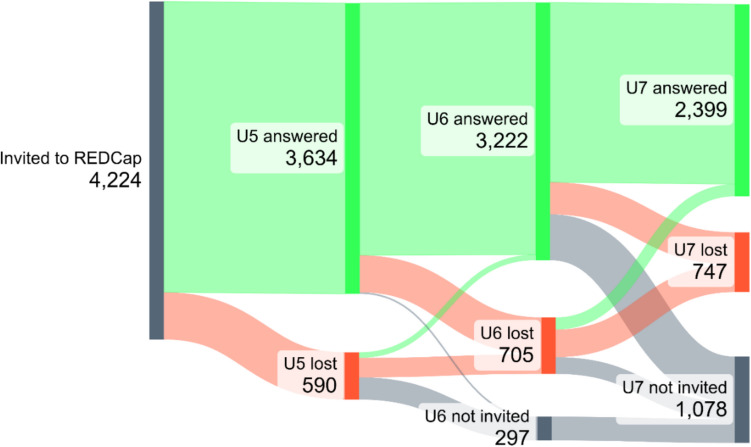 Figure 1
Peer Reviews
No public reviews on file for this paper yet. If you reviewed it on a platform where reviews are public (OpenReview, ICLR, NeurIPS, ICML), you can paste yours below so the community can read it here.
Videos
No videos yet. Explain this paper in a talk, walkthrough, or lecture? Add one.
Taxonomy
TopicsPregnancy and Medication Impact · Folate and B Vitamins Research · Assisted Reproductive Technology and Twin Pregnancy