Association of fluid management during robotic-assisted radical laparoscopic prostatectomy with early surgical clinical outcomes: a risk factor for lymphoceles
Thomas Büttner, Marcus O. Thudium, Manuel Ritter, Stefan Hauser, Martin Söhle, Philipp Krausewitz

TL;DR
This study finds that fluid management during prostate surgery is linked to lymphocele formation, a finding that could help reduce complications.
Contribution
The study identifies intraoperative fluid management as a modifiable risk factor for lymphoceles after robotic prostatectomy.
Findings
Higher fluid administration is significantly associated with lymphocele formation (p < 0.001).
A fluid dosage threshold of 7.73 mL/kg/h confirms the association with lymphoceles via propensity score matching.
Fluid management is a modifiable factor that may prevent symptomatic lymphoceles in larger patient groups.
Abstract
Robotic-assisted radical laparoscopic prostatectomy (RARP) is a standard treatment for localized prostate cancer. While surgical factors are often considered, the impact of anesthesiological factors, particularly intraoperative fluid management, on postoperative outcomes remains understudied. This study aimed to evaluate the relationship between fluid management and early complications after RARP. The study retrospectively analyzed data from 285 patients who underwent RARP at a single institution between 2019 and 2021. Fluid administration was quantified as corrected fluid dosage (mL/kg/h) and total fluid balance. Postoperative complications within 30 days, including anastomotic leakage and lymphocele formation, were assessed. Multivariable modeling and propensity score matching were used to evaluate the association between fluid management and lymphoceles. We found no significant…
Genes, proteins, chemicals, diseases, species, mutations and cell lines named across the full text — each resolved to its canonical identifier and authoritative record.
Click any figure to enlarge with its caption.
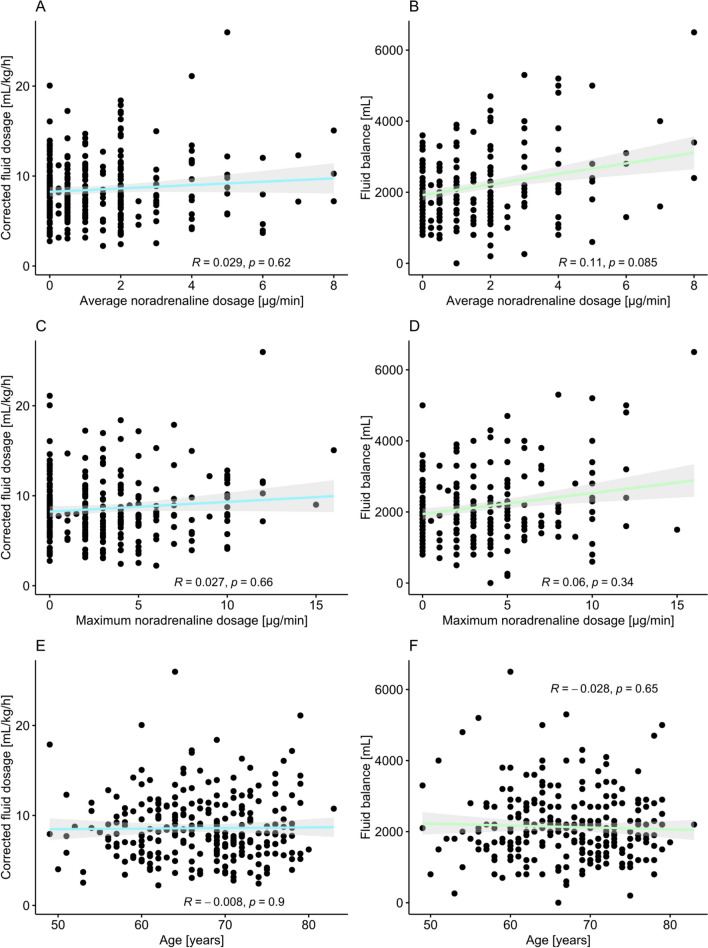 Figure 1
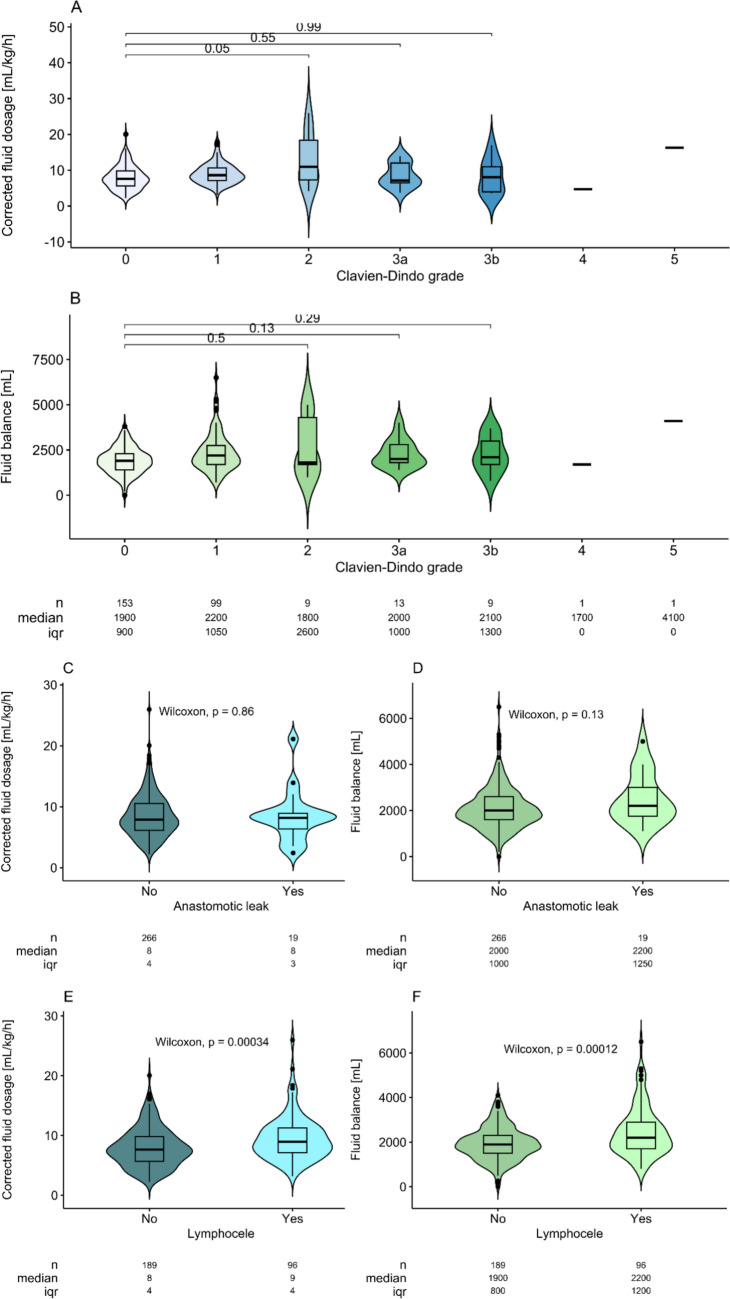 Figure 2
Peer Reviews
No public reviews on file for this paper yet. If you reviewed it on a platform where reviews are public (OpenReview, ICLR, NeurIPS, ICML), you can paste yours below so the community can read it here.
Videos
No videos yet. Explain this paper in a talk, walkthrough, or lecture? Add one.
Taxonomy
TopicsHemodynamic Monitoring and Therapy · Colorectal Cancer Surgical Treatments · Diverticular Disease and Complications