Population pharmacokinetic analysis of remimazolam after continuous infusion for sedation in critically ill patients
Jingchun Chen, Xipei Wang, Dong Chen, Xiaolong Liu, Kaiyi Peng, Ruizheng Tang, Linhui Hu, Yirong Wang, Yunpeng Bai, Lin Chang, Chunbo Chen

TL;DR
This study models how remimazolam behaves in critically ill patients during continuous infusion, showing it is predictable and suitable for long-term sedation.
Contribution
A population pharmacokinetic model for remimazolam in critically ill patients is developed and validated.
Findings
A two-compartment model best described remimazolam's pharmacokinetics in critically ill patients.
Pharmacokinetic parameters were estimated without significant covariate influence.
CSDTs of remimazolam were independent of infusion duration, supporting its use for long-term sedation.
Abstract
The aim of the present prospective study was to model the population pharmacokinetics of remimazolam after continuous infusion in critically ill patients, and to provide a guide for remimazolam administration based on simulations that were conducted. A total of 32 critically ill patients were enrolled in this study, with 236 plasma concentration data ultimately included for modeling. Plasma concentrations of remimazolam were quantified by a validated high-performance liquid chromatography-tandem mass spectrometry method, and the data were analyzed using non-linear mixed effect modeling. Concentration-time curves of remimazolam at different induction and maintenance doses were simulated and context-sensitive decrement times (CSDTs) were calculated using Monte Carlo simulations. A two-compartment model appropriately described the concentration-time profile of remimazolam in critically…
Genes, proteins, chemicals, diseases, species, mutations and cell lines named across the full text — each resolved to its canonical identifier and authoritative record.
Click any figure to enlarge with its caption.
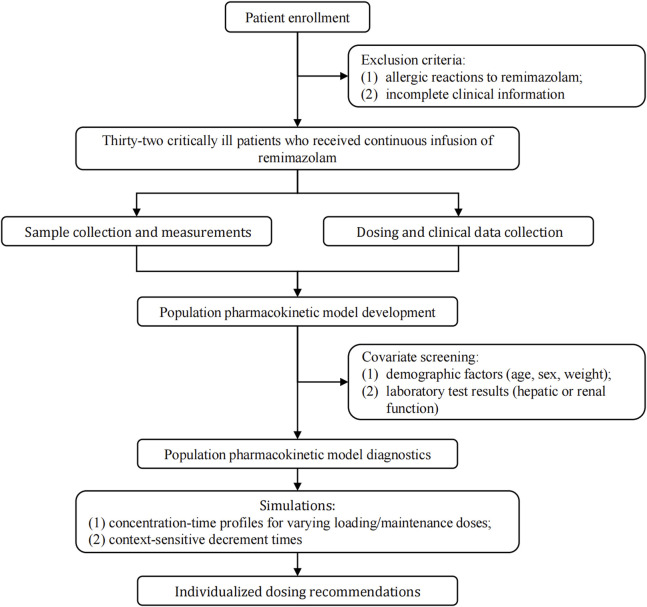 Figure 1
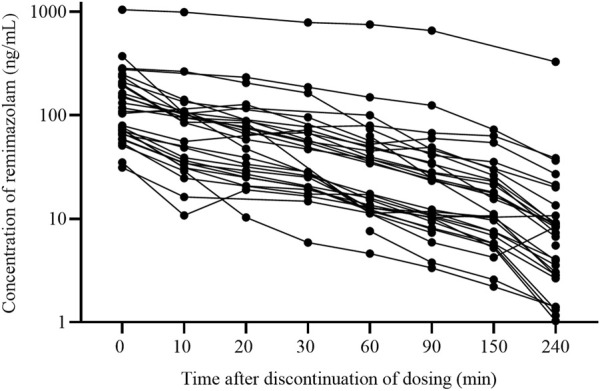 Figure 2
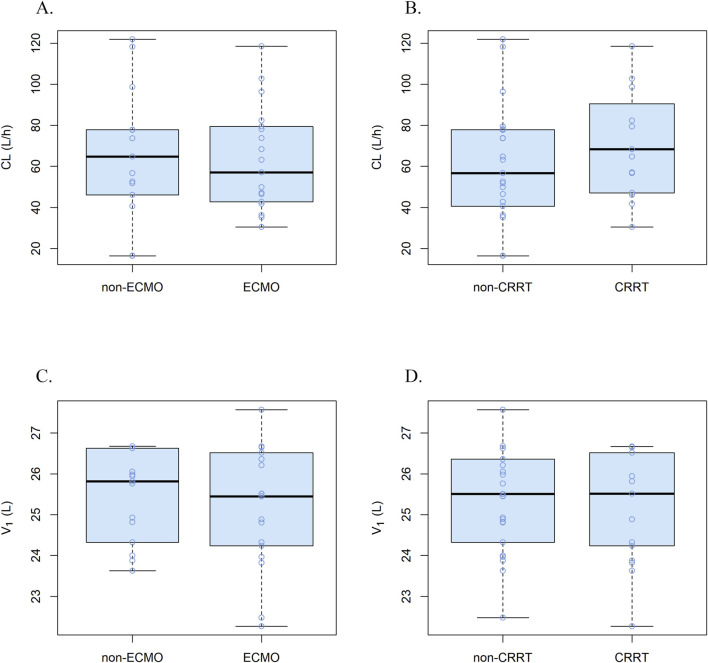 Figure 3
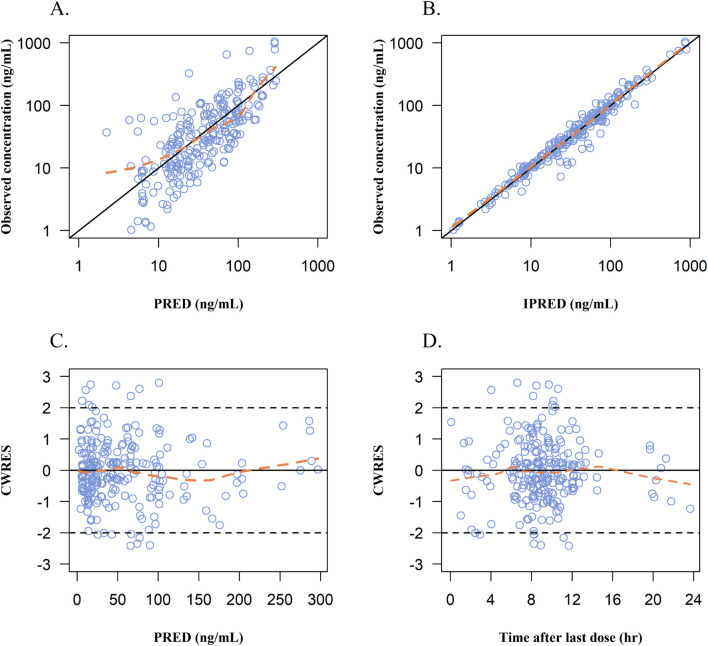 Figure 4
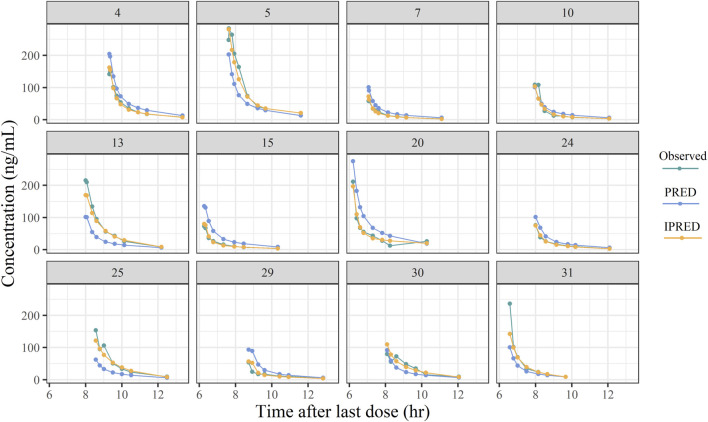 Figure 5
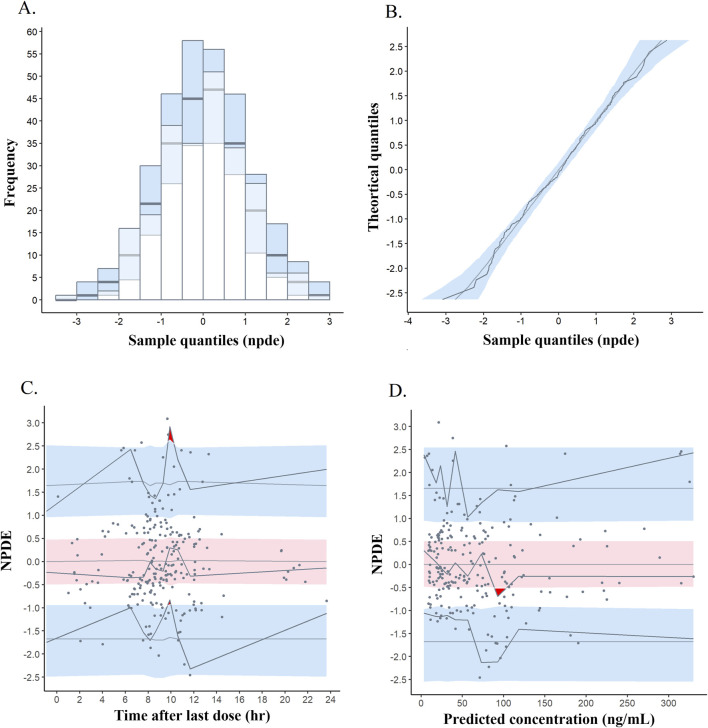 Figure 6
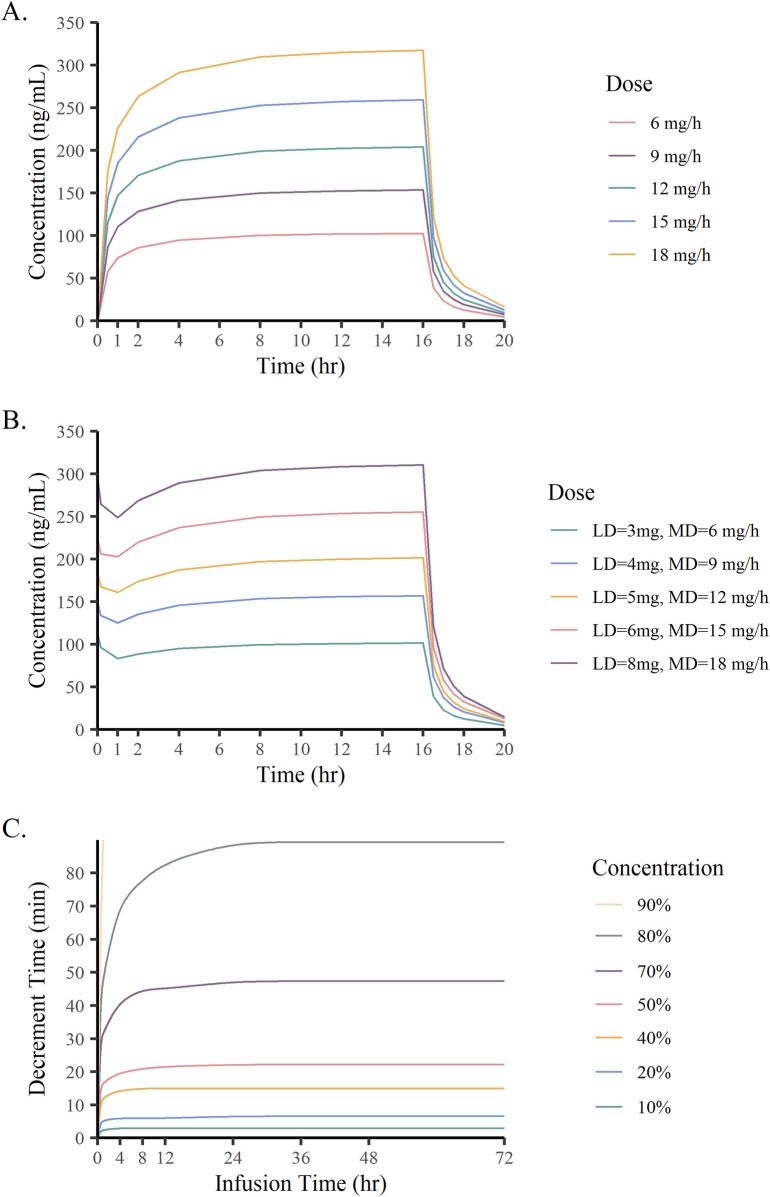 Figure 7
Peer Reviews
No public reviews on file for this paper yet. If you reviewed it on a platform where reviews are public (OpenReview, ICLR, NeurIPS, ICML), you can paste yours below so the community can read it here.
Videos
No videos yet. Explain this paper in a talk, walkthrough, or lecture? Add one.
Taxonomy
TopicsAnesthesia and Sedative Agents · Intensive Care Unit Cognitive Disorders · Antibiotics Pharmacokinetics and Efficacy