Integrative multi-omics analysis reveals the interaction mechanisms between gut microbiota metabolites and ferroptosis in rheumatoid arthritis
Lifang Liang, Huaguo Liang, Min He, Huiling Zhang, Peifeng Ke

TL;DR
This study explores how gut microbiota metabolites interact with ferroptosis in rheumatoid arthritis, identifying GPX3 and MYC as key regulators and potential therapeutic targets.
Contribution
The study introduces GPX3 and MYC as novel ferroptosis regulators in RA and suggests gut metabolites like Diosgenin may modulate these genes.
Findings
GPX3 and MYC were identified as critical ferroptosis regulators in rheumatoid arthritis through multi-omics and machine learning analyses.
Molecular docking and dynamics simulations showed Diosgenin binds stably to GPX3, suggesting a potential therapeutic role in RA.
High GPX3 and MYC expression correlates with interferon response and TNFA signaling, while low expression relates to fatty acid metabolism.
Abstract
Rheumatoid arthritis (RA) is an autoimmune disease characterized by chronic synovitis and joint destruction. To systematically investigate the regulatory relationship between key ferroptosis genes and gut metabolites in RA, this study employed an integrative multi-omics approach combined with machine learning algorithms and single-cell transcriptomic data, identifying and validating GPX3 and MYC as potential critical ferroptosis regulators in RA. First, 16 candidate genes were obtained by intersecting WGCNA, differential expression analysis results, and targets related to ferroptosis and gut microbiota. Following cross-validation with machine learning approaches including LASSO, SVM, and RFE-RF, GPX3 and MYC were ultimately identified as crucial genes. GSVA and GSEA analyses revealed that high expression of GPX3 and MYC was enriched in interferon response and TNFA signaling pathways,…
Genes, proteins, chemicals, diseases, species, mutations and cell lines named across the full text — each resolved to its canonical identifier and authoritative record.
Click any figure to enlarge with its caption.
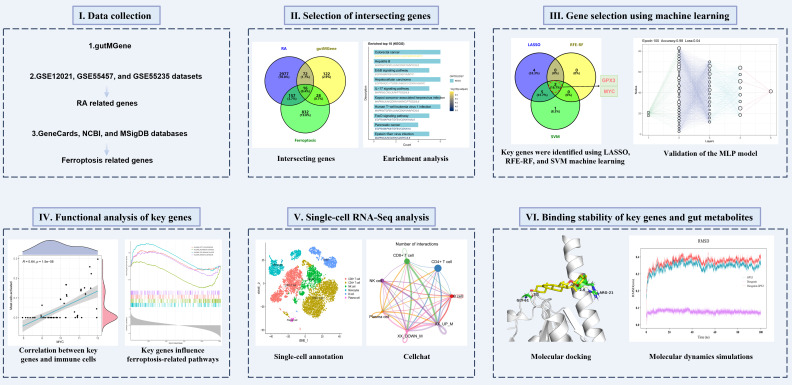 Figure 1
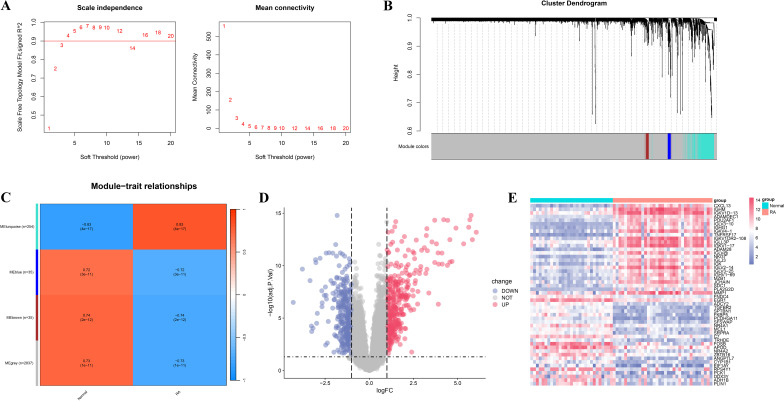 Figure 2
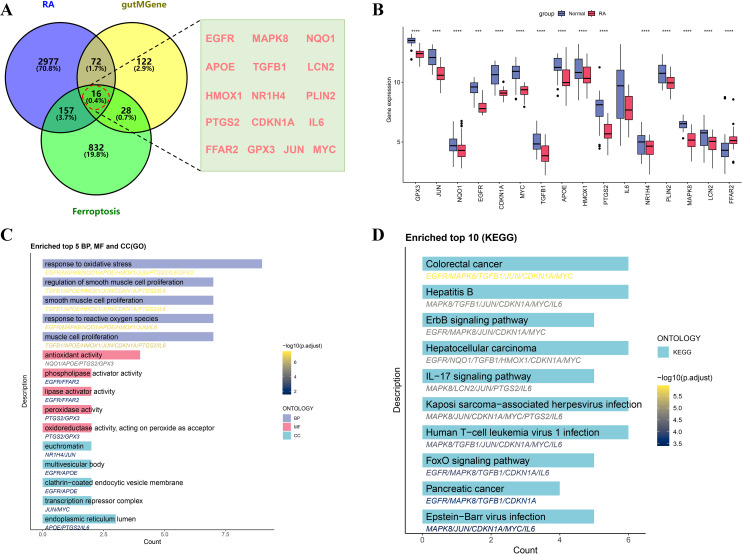 Figure 3
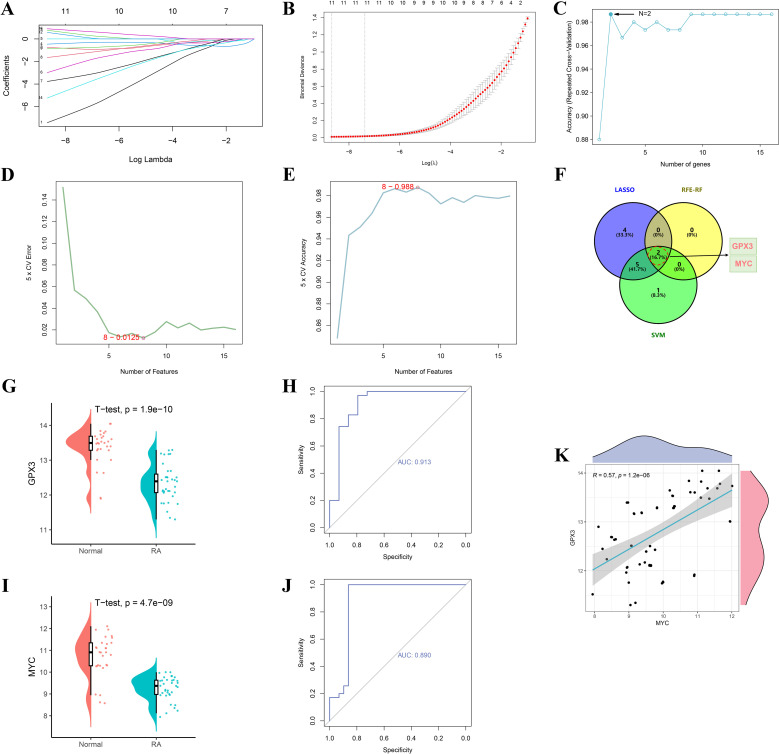 Figure 4
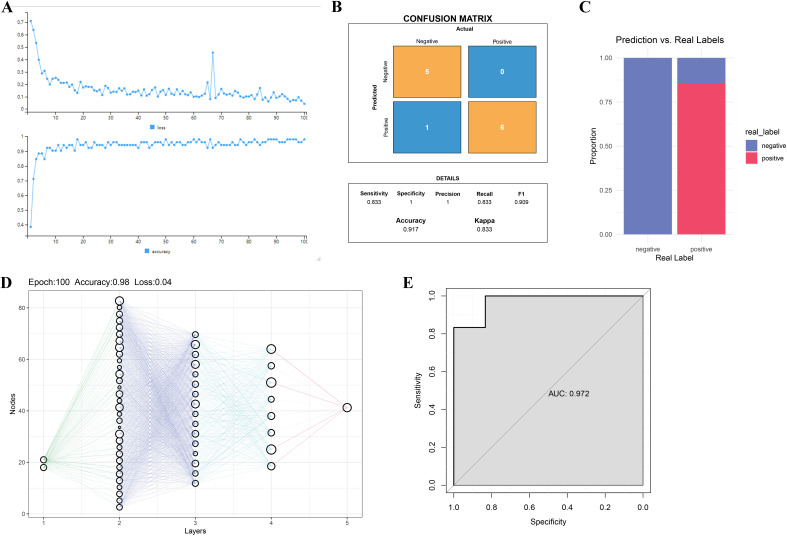 Figure 5
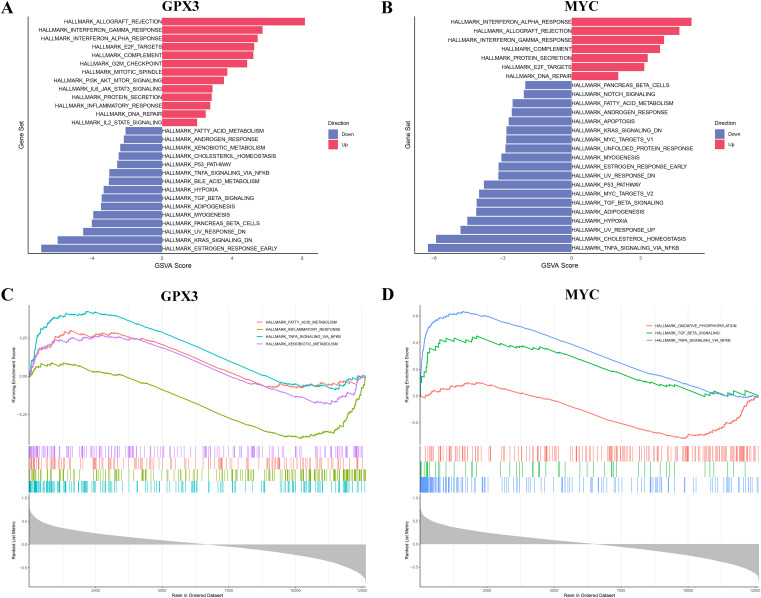 Figure 6
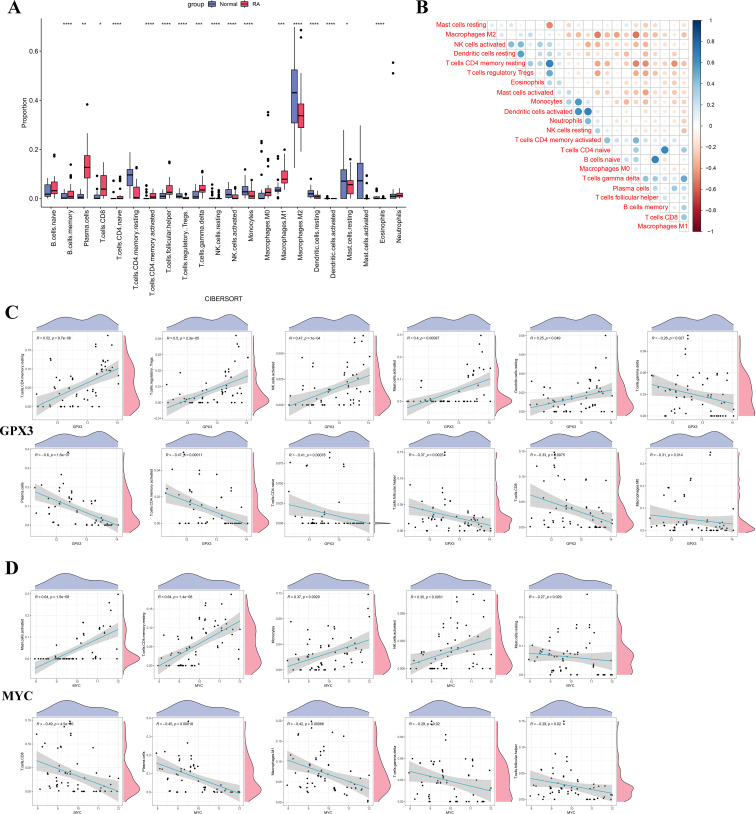 Figure 7
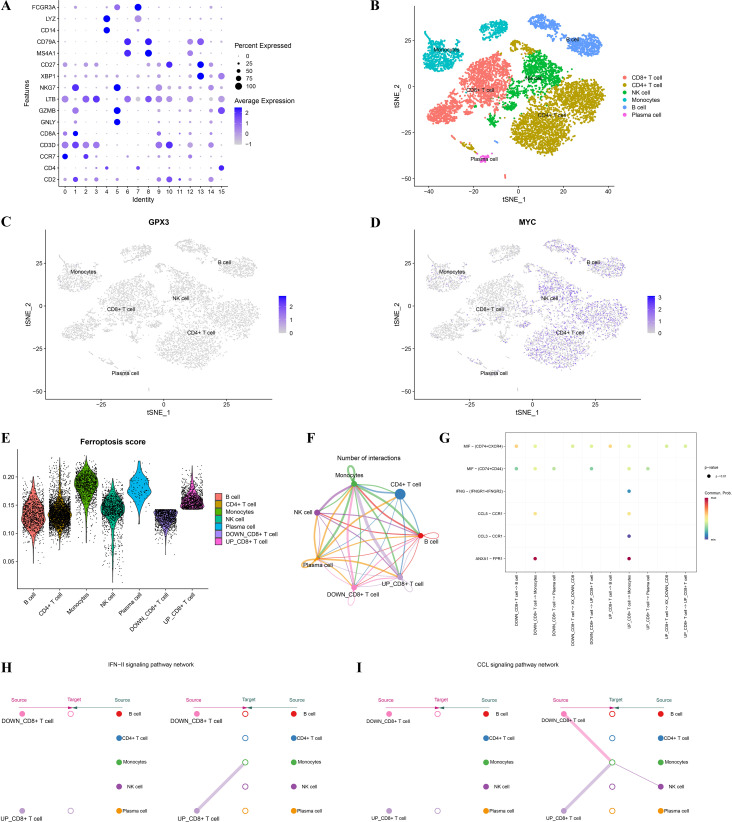 Figure 8
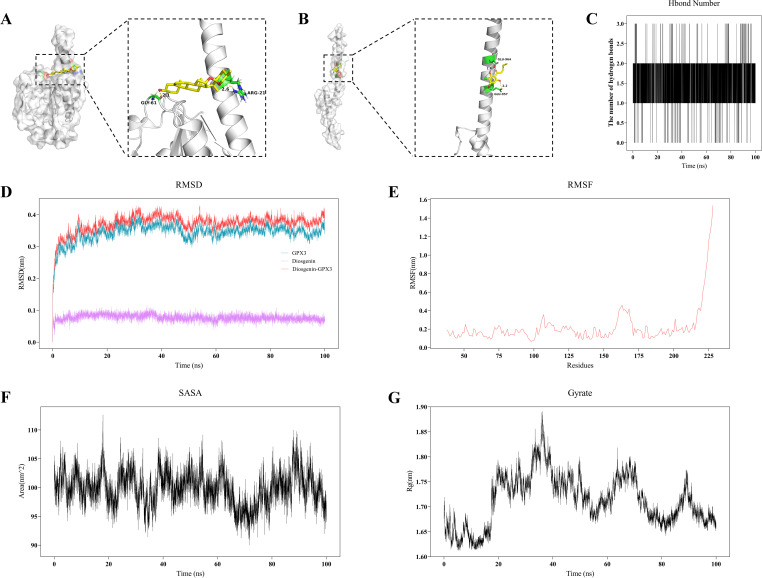 Figure 9
Peer Reviews
No public reviews on file for this paper yet. If you reviewed it on a platform where reviews are public (OpenReview, ICLR, NeurIPS, ICML), you can paste yours below so the community can read it here.
Videos
No videos yet. Explain this paper in a talk, walkthrough, or lecture? Add one.
Taxonomy
TopicsCancer-related molecular mechanisms research · Ferroptosis and cancer prognosis · RNA modifications and cancer