The contributing role of CCR5 in dementia
Tong Zheng, Meiping Ye, Pingyu Zhou

TL;DR
This review explores how CCR5 contributes to dementia and suggests that inhibiting CCR5 could help treat dementia-related diseases.
Contribution
The paper proposes CCR5 inhibition as a novel therapeutic target for dementia-related conditions.
Findings
CCR5 is involved in regulating synaptic plasticity and affects learning and memory.
CCR5 is linked to several dementia types, including Alzheimer’s and HIV-related neurocognitive impairment.
Inhibiting CCR5 may offer a potential treatment for dementia.
Abstract
Dementia is a syndrome of impaired brain function in which cognitive functions such as memory, language, attention, direction, and judgment are impaired, affecting or interfering with daily functioning. As dementia becomes more widespread, it is crucial to investigate the underlying mechanisms that contribute to cognitive decline. C-C chemokine receptor 5 (CCR5) has been extensively researched for its role in immune responses and function as a co-receptor in HIV infection. Current research indicates that CCR5, which acts as a regulator of synaptic plasticity, is involved in modulating various forms of learning and memory. Most studies suggest that CCR5 generally has a detrimental effect on diseases associated with dementia. This review seeks to deliver an extensive analysis of CCR5’s role in cognitive processes by summarizing existing literature from both animal and human studies. It…
Genes, proteins, chemicals, diseases, species, mutations and cell lines named across the full text — each resolved to its canonical identifier and authoritative record.
Click any figure to enlarge with its caption.
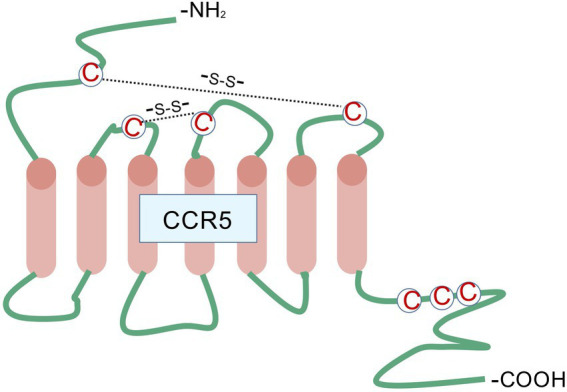 Figure 1
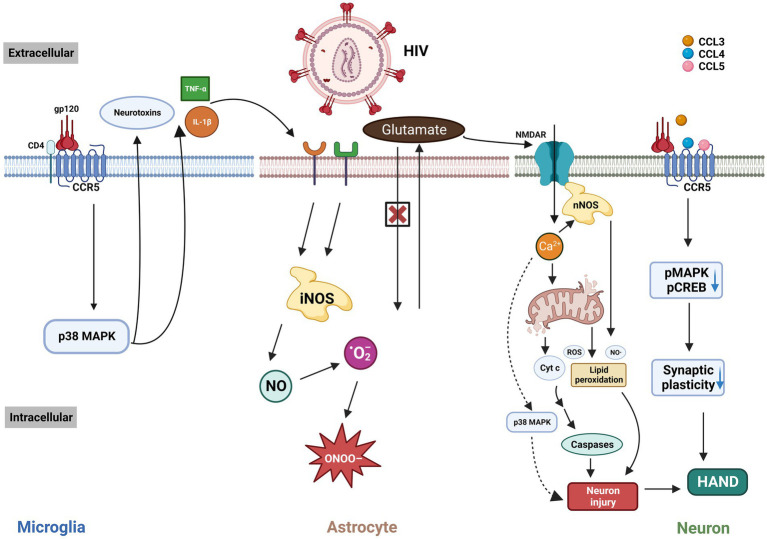 Figure 2
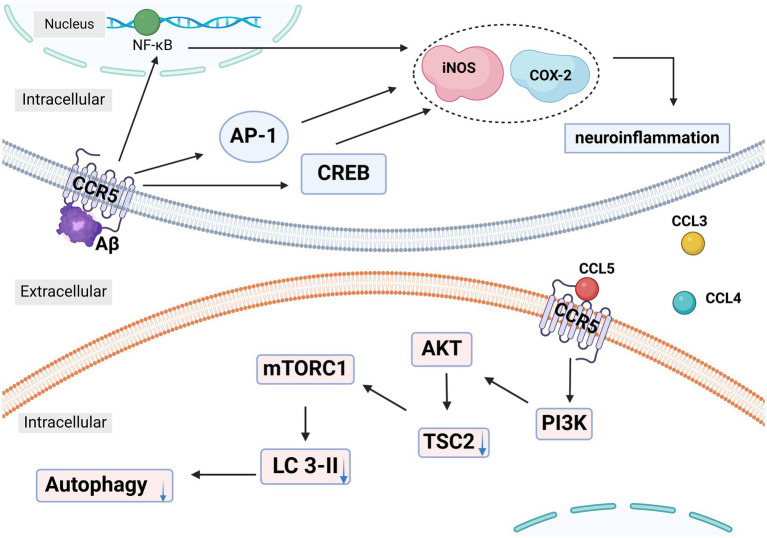 Figure 3
Peer Reviews
No public reviews on file for this paper yet. If you reviewed it on a platform where reviews are public (OpenReview, ICLR, NeurIPS, ICML), you can paste yours below so the community can read it here.
Videos
No videos yet. Explain this paper in a talk, walkthrough, or lecture? Add one.
Taxonomy
TopicsNeuroinflammation and Neurodegeneration Mechanisms · Chemokine receptors and signaling · Alzheimer's disease research and treatments