Transthoracic Echocardiogram Guided Hemodynamic Management to Maintain Cerebral Perfusion in an Extracranial–Intracranial Bypass Case: Case Report
Beddome C. Allen, Chesney S. Oravec, Stacey Q. Wolfe, Saraschandra Vallabhajosyula, Sahil Kapoor, Sai Varun Bethina, Aarti Sarwal

TL;DR
A 70-year-old man with a brain bypass surgery complication was treated with blood pressure adjustments guided by heart imaging to restore brain blood flow.
Contribution
Demonstrates the use of transthoracic echocardiography to guide hemodynamic management for cerebral perfusion after a failed bypass.
Findings
Induced hypertension improved aphasia following bypass occlusion.
Transthoracic echocardiography was used to optimize blood pressure in the presence of left ventricle outflow tract obstruction.
Serial monitoring helped maintain cerebral perfusion in a complex clinical scenario.
Abstract
A 70-year-old man with transient ischemic attacks (TIAs) due to left internal carotid artery (ICA) occlusion underwent external carotid to ICA bypass which occluded postoperatively. He developed aphasia which resolved with induced hypertension optimized by using serial transthoracic echocardiography in the setting of left ventricle outflow tract obstruction.
Genes, proteins, chemicals, diseases, species, mutations and cell lines named across the full text — each resolved to its canonical identifier and authoritative record.
Click any figure to enlarge with its caption.
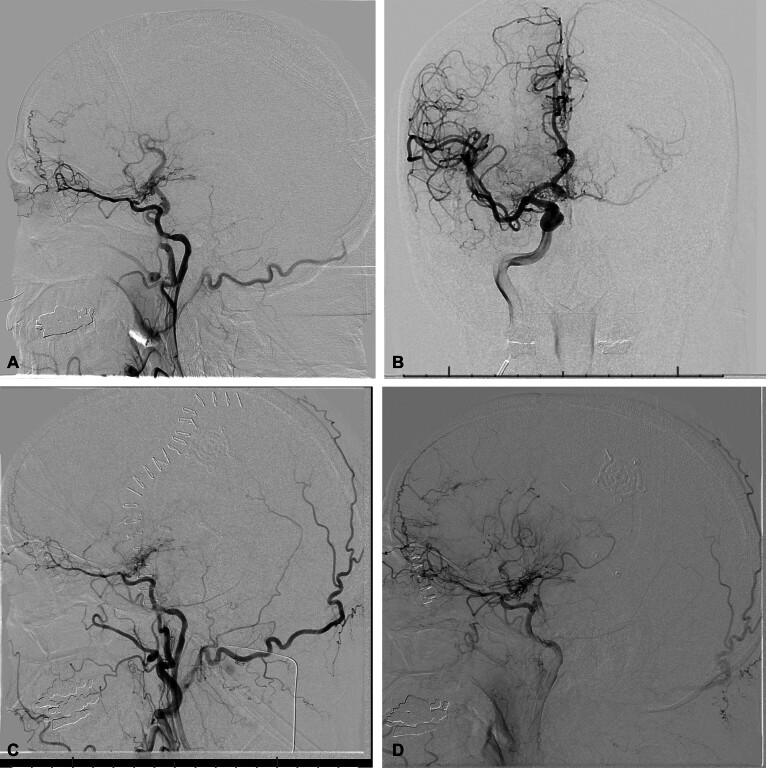 Figure 1
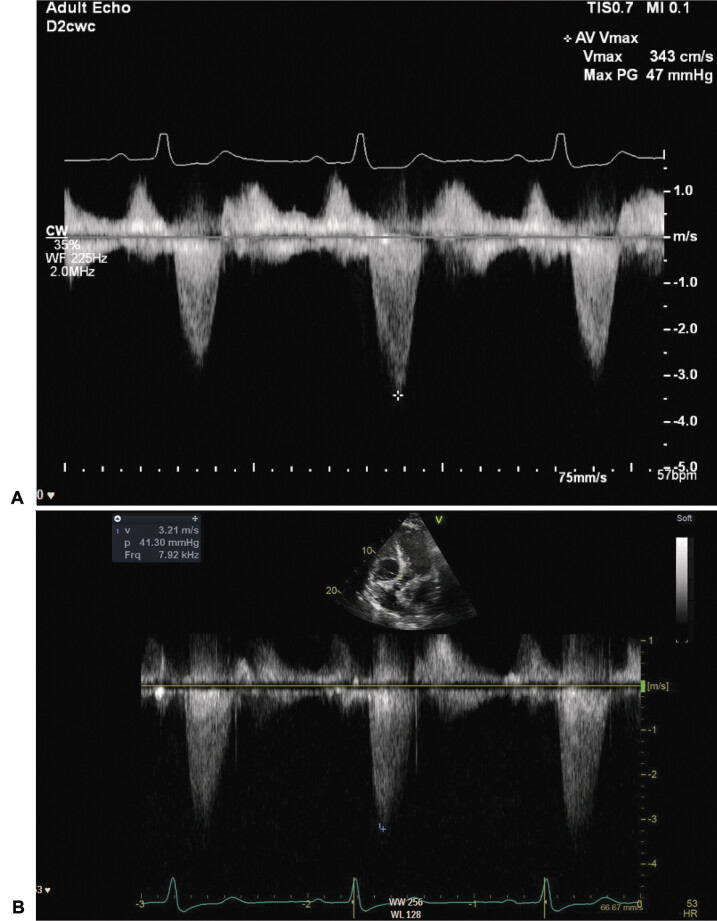 Figure 2
Peer Reviews
No public reviews on file for this paper yet. If you reviewed it on a platform where reviews are public (OpenReview, ICLR, NeurIPS, ICML), you can paste yours below so the community can read it here.
Videos
No videos yet. Explain this paper in a talk, walkthrough, or lecture? Add one.
Taxonomy
TopicsCerebrovascular and Carotid Artery Diseases · Intracranial Aneurysms: Treatment and Complications · Acute Ischemic Stroke Management