Outcomes of Percutaneous Versus Open Lumbopelvic Fixation of Spinopelvic Dissociation
Sean Taylor, Saurabh Rawall, Asa Peterson, Gerald McGwin, Sakthivel Rajaram

TL;DR
This study compares percutaneous and open surgical methods for treating a severe spinal injury, finding that the less invasive approach has benefits like less blood loss and fewer infections.
Contribution
The study provides a direct comparison of outcomes between percutaneous and open lumbopelvic fixation for spinopelvic dissociation.
Findings
Percutaneous fixation resulted in significantly less blood loss and shorter operative time compared to open fixation.
The percutaneous group had fewer surgical site infections and lower operating room costs.
Percutaneous fixation was associated with a higher rate of anterior pelvic ring injuries.
Abstract
Introduction: Spinopelvic dissociation is a devastating injury that remains difficult to manage due to its complexity and low incidence. Lumbopelvic fixation is a treatment option traditionally performed with an open approach. However, open fixation is associated with substantial blood loss and infection risk in critical polytrauma patients. Technological advancements have enabled this procedure to be performed percutaneously. Thus, we evaluate outcomes between patients receiving open lumbopelvic fixation and those receiving percutaneous lumbopelvic fixation. Methods: A retrospective review was conducted of patients undergoing either open or percutaneous lumbopelvic fixation for spinopelvic dissociation from 2012 to 2024. The AOSpine classification system was used to classify all fractures. Patient demographic, clinical, and operative outcomes were analyzed. Results: 48 patients with…
Genes, proteins, chemicals, diseases, species, mutations and cell lines named across the full text — each resolved to its canonical identifier and authoritative record.
Click any figure to enlarge with its caption.
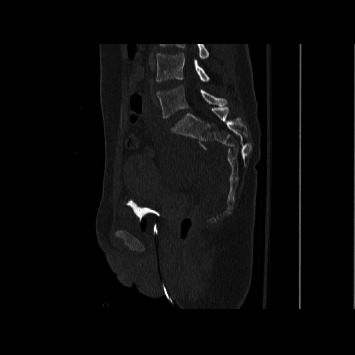 Figure 1
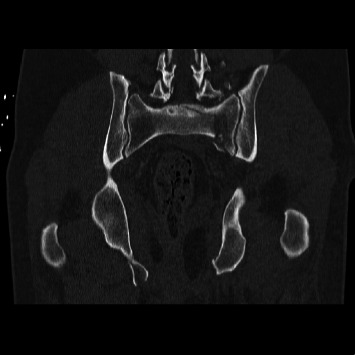 Figure 2
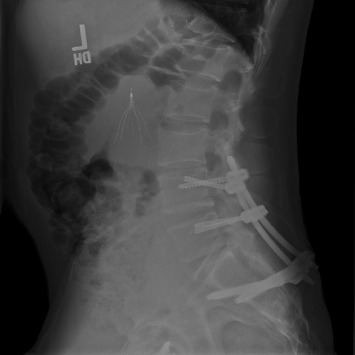 Figure 3
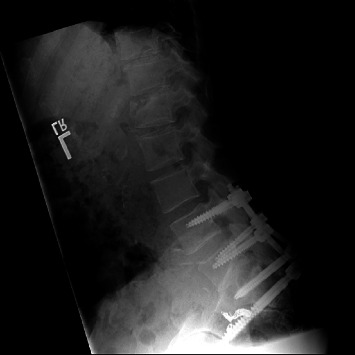 Figure 4
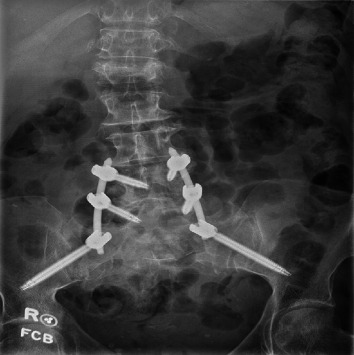 Figure 5
Peer Reviews
No public reviews on file for this paper yet. If you reviewed it on a platform where reviews are public (OpenReview, ICLR, NeurIPS, ICML), you can paste yours below so the community can read it here.
Videos
No videos yet. Explain this paper in a talk, walkthrough, or lecture? Add one.
Taxonomy
TopicsPelvic and Acetabular Injuries · Spinal Fractures and Fixation Techniques · Hip and Femur Fractures