Real-World Outcomes of Upfront Abiraterone in Metastatic Castration-Sensitive Prostate Cancer Patients at a Tertiary Care Hospital
Muhammad Awais Majeed, Ayesha Alam, Maryam Imran, Shakeel Muzaffar, Muhammad Ahsan Jamil, Noor Ul Ain, Muhammad Usman Shabbir, Umer Salman, Sameen Bin Naeem

TL;DR
A study in Pakistan found that patients with prostate cancer had shorter survival times when treated with abiraterone compared to Western populations, suggesting possible genetic or environmental factors.
Contribution
The study provides real-world survival data for metastatic prostate cancer patients in a subcontinental population, highlighting potential regional differences in treatment outcomes.
Findings
Median progression-free survival was 20.7 months and median overall survival was 38.4 months.
Outcomes were lower than those reported in Western countries for similar patient populations.
Abstract
Background Metastatic castration-sensitive prostate cancer is defined as prostate cancer with de novo metastatic disease that responds to androgen deprivation therapy by keeping the testosterone levels low. Endogenous androgen synthesis is further blocked by abiraterone acetate along with prednisolone and indicated in patients with metastatic castration-sensitive prostate cancer. However, over time, these patients will become castration-resistant. The time from castration-sensitive to castration-resistant in our population is short, which calls for further investigation on a larger scale to explore factors such as genetics and environmental influences that may play a significant role. Methodology This retrospective study involved 47 adult patients aged 40 years and older. It focused exclusively on patients who were presented with de novo metastatic castration-sensitive disease and…
Genes, proteins, chemicals, diseases, species, mutations and cell lines named across the full text — each resolved to its canonical identifier and authoritative record.
Click any figure to enlarge with its caption.
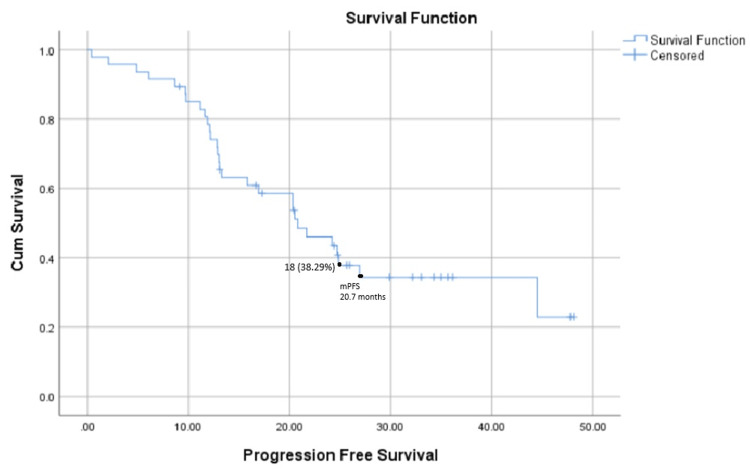 Figure 1
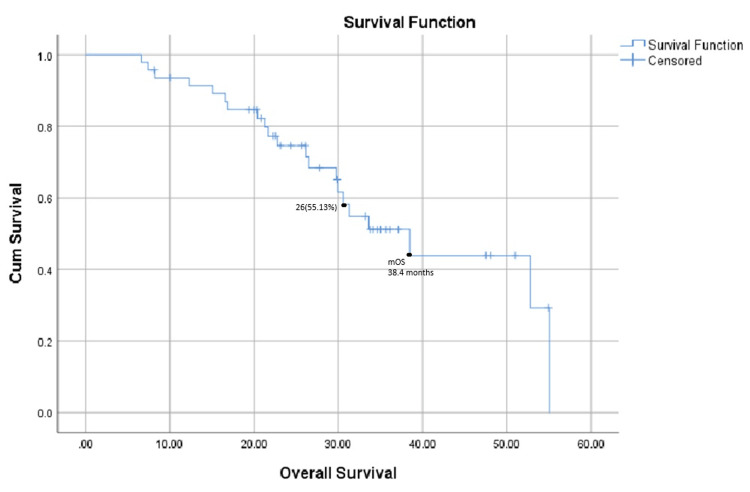 Figure 2
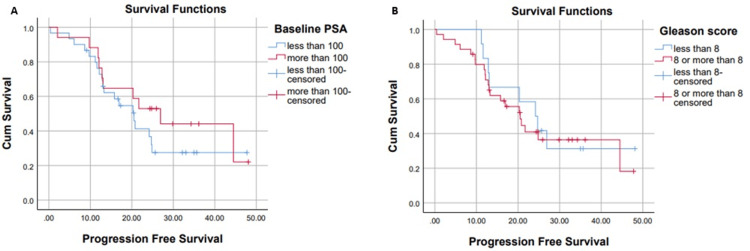 Figure 3
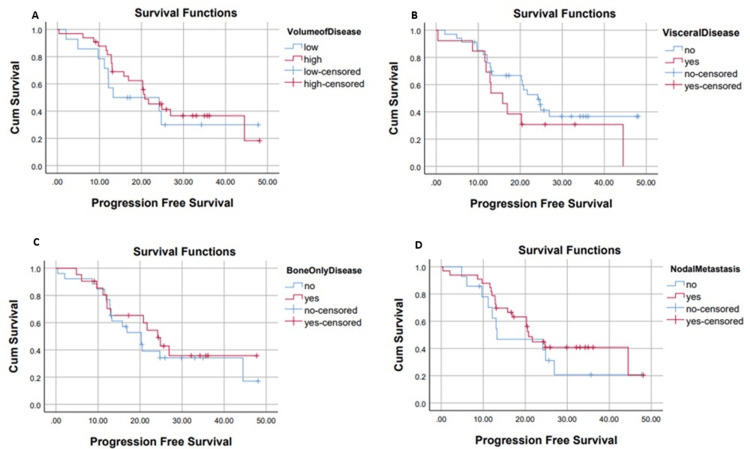 Figure 4
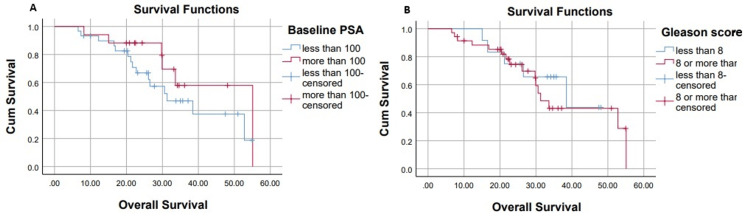 Figure 5
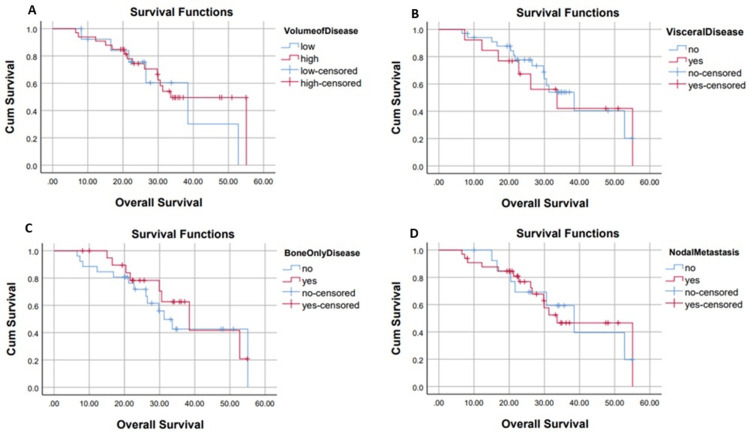 Figure 6
Peer Reviews
No public reviews on file for this paper yet. If you reviewed it on a platform where reviews are public (OpenReview, ICLR, NeurIPS, ICML), you can paste yours below so the community can read it here.
Videos
No videos yet. Explain this paper in a talk, walkthrough, or lecture? Add one.
Taxonomy
TopicsProstate Cancer Treatment and Research · Hormonal and reproductive studies · Prostate Cancer Diagnosis and Treatment