A Case of Horizontal Gaze Palsy With Progressive Scoliosis and G6PD Deficiency in a Child
Parmeet Kaur, Sangita Yadav

TL;DR
A 7-year-old child with horizontal gaze palsy and scoliosis was found to have mutations in both the ROBO3 and G6PD genes.
Contribution
This case report suggests a possible association between ROBO3 and G6PD gene mutations in a patient with HGPPS.
Findings
The child had a homozygous c.575G>A mutation in the ROBO3 gene, consistent with HGPPS.
A mutation in the G6PD gene was also identified in the same patient.
The patient's condition was linked to a consanguineous family background.
Abstract
Horizontal gaze palsy with progressive scoliosis (HGPPS) is a rare autosomal recessive disease associated with mutation in the Roundabout-3 (ROBO3) gene (chromosome 11q23-25). Here, we present case report of a 7-year old male child born out of consanguineous marriage with history of similar condition in paternal uncle. The child had typical findings of HGPPS, i.e., horizontal gaze palsy, scoliosis, and characteristic findings on MRI associated with homozygous c.575G>A (p.Gly192Asp) mutation in ROBO3 gene. Additionally, mutation in G6PD gene was also observed in this patient, hypothesizing possible association between the two.
Genes, proteins, chemicals, diseases, species, mutations and cell lines named across the full text — each resolved to its canonical identifier and authoritative record.
Click any figure to enlarge with its caption.
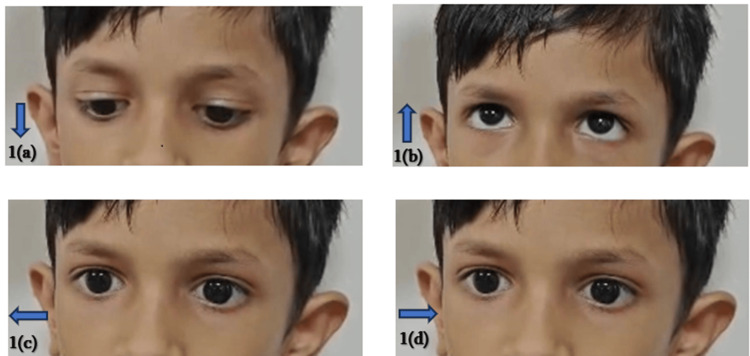 Figure 1
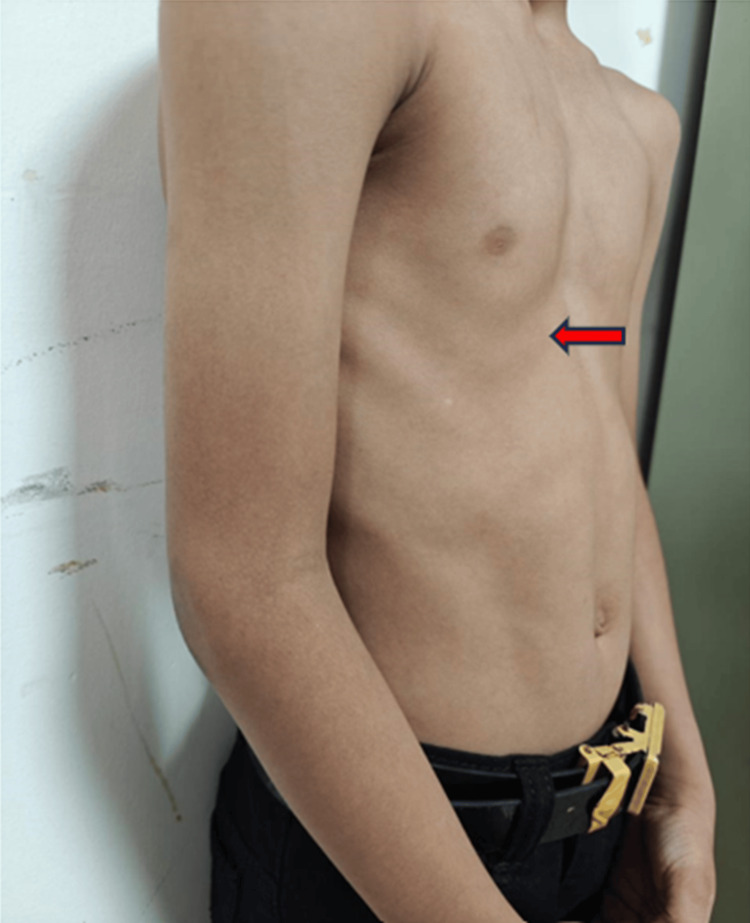 Figure 2
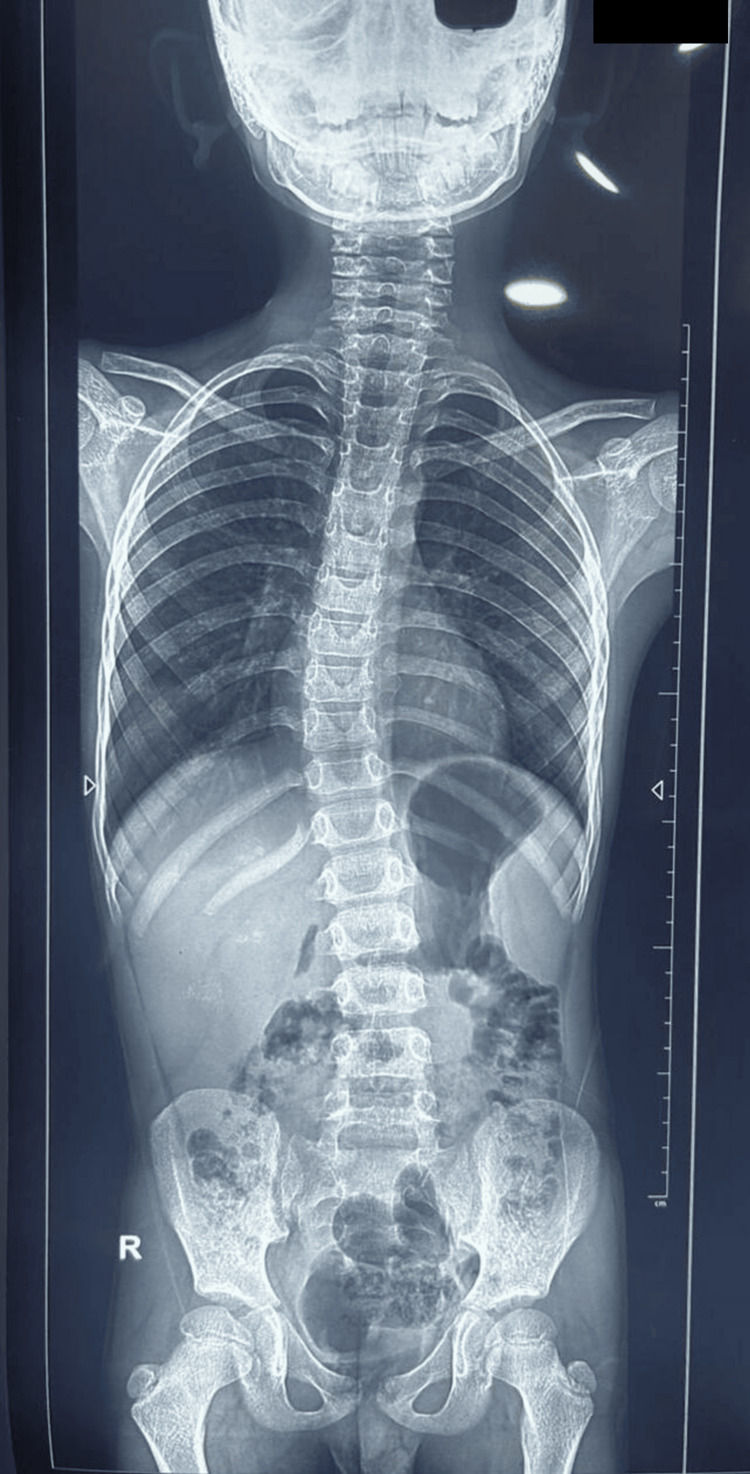 Figure 3
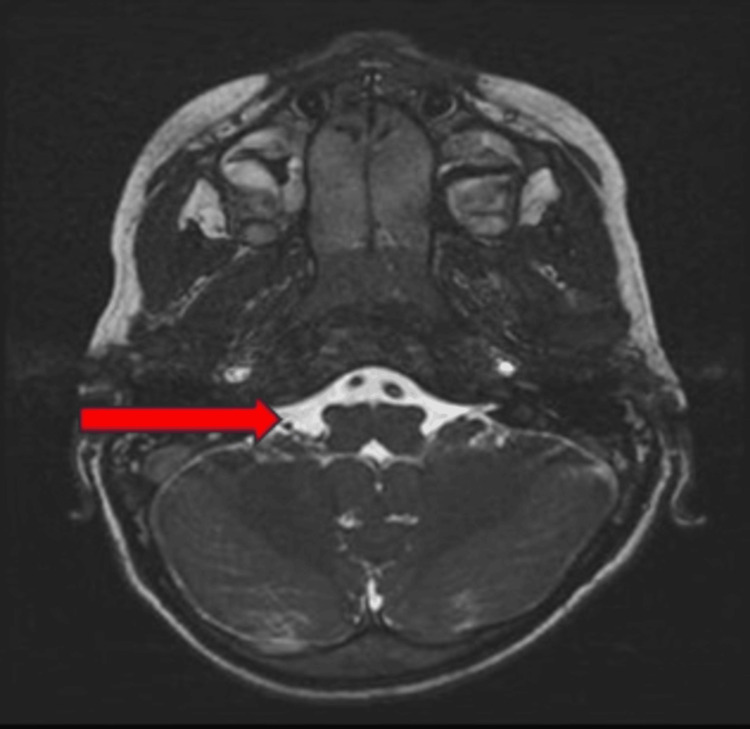 Figure 4
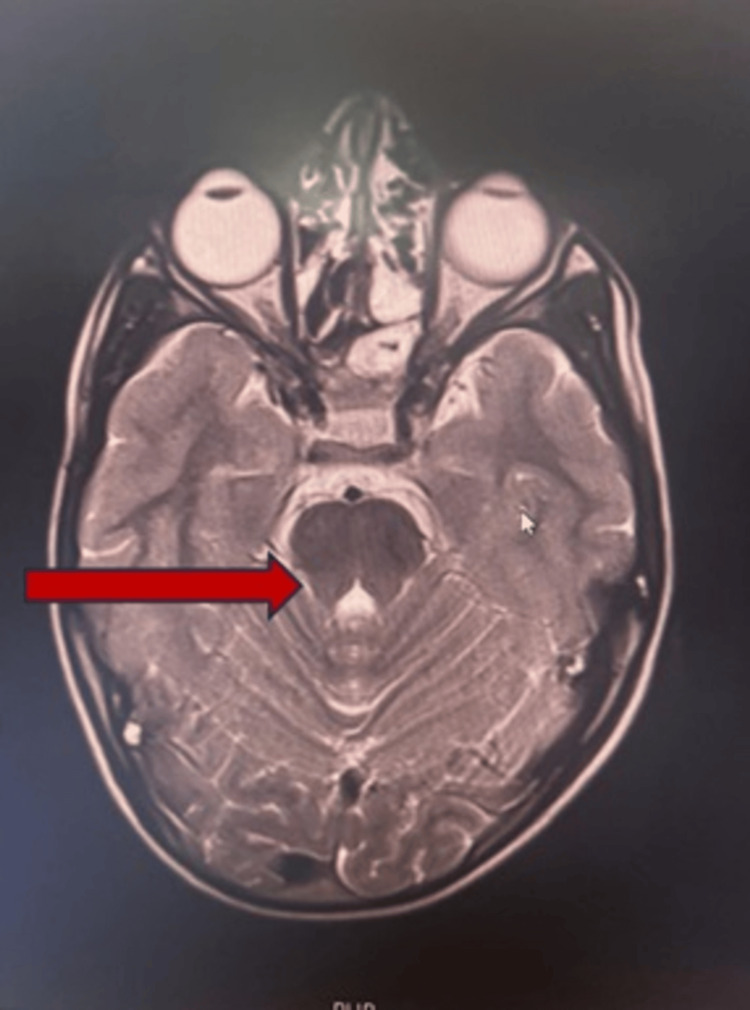 Figure 5
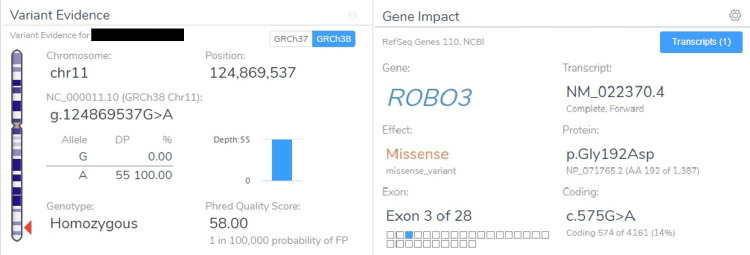 Figure 6
Peer Reviews
No public reviews on file for this paper yet. If you reviewed it on a platform where reviews are public (OpenReview, ICLR, NeurIPS, ICML), you can paste yours below so the community can read it here.
Videos
No videos yet. Explain this paper in a talk, walkthrough, or lecture? Add one.
Taxonomy
TopicsOphthalmology and Eye Disorders · Facial Nerve Paralysis Treatment and Research · Meningioma and schwannoma management