Characterization of DnaB–DnaG Interaction in M. tuberculosis Using Small‐Angle X‐ray Scattering‐Based Dissociation Assay
Dayan A, Ilic S, Akabayov B

TL;DR
This study explores how two proteins involved in DNA replication in tuberculosis bacteria interact, revealing insights that could help develop new drugs.
Contribution
The study reveals that DnaG forms dimers destabilized by DnaB binding, suggesting a regulatory mechanism in DNA replication.
Findings
DnaG forms dimers in solution, which are destabilized upon DnaB binding.
The interaction between DnaB and DnaG suggests a regulatory mechanism in DNA replication.
The dissociation constant between DnaB and DnaG is measured at 0.21 ± 0.08 μM.
Abstract
The complex interactions between helicase and primase, two key components of the replisome involved in DNA replication in Mycobacterium tuberculosis are studied. Utilizing purified, complementary domains of these proteins, a surface plasmon resonance (SPR) analysis and a cross‐linking assay to characterize their binding dynamics are employed. The SPR analysis reveals a binding dissociation constant of 0.21 ± 0.08 μM, and the cross‐linking assay suggests the possible formation of a heterodimer species. Importantly, a small‐angle X‐ray scattering dissociation assay to study the dynamic interactions between the proteins in solution is utilized. The findings provide new opportunities for targeted therapeutic strategies aimed at DNA replication in M. tuberculosis by revealing the structural interplay between helicase and primase. The study characterizes interactions between DnaB helicase…
Genes, proteins, chemicals, diseases, species, mutations and cell lines named across the full text — each resolved to its canonical identifier and authoritative record.
Click any figure to enlarge with its caption.
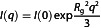 Figure 1
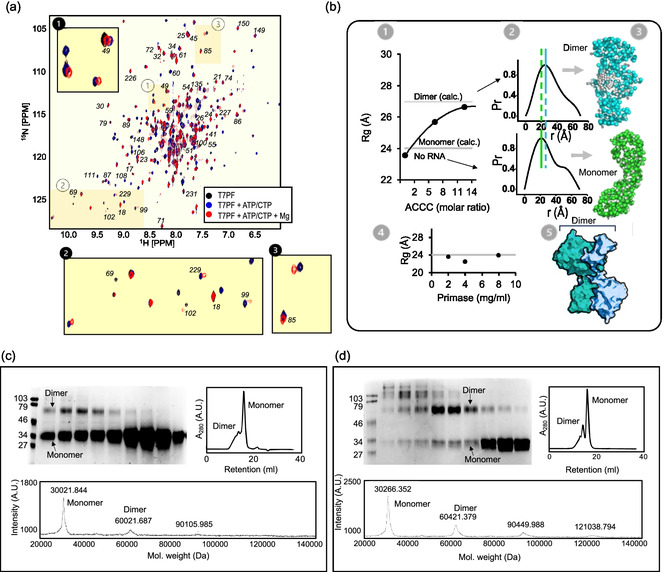 Figure 2
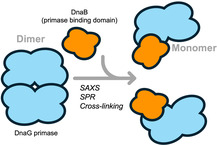 Figure 3
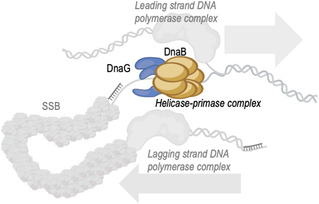 Figure 4
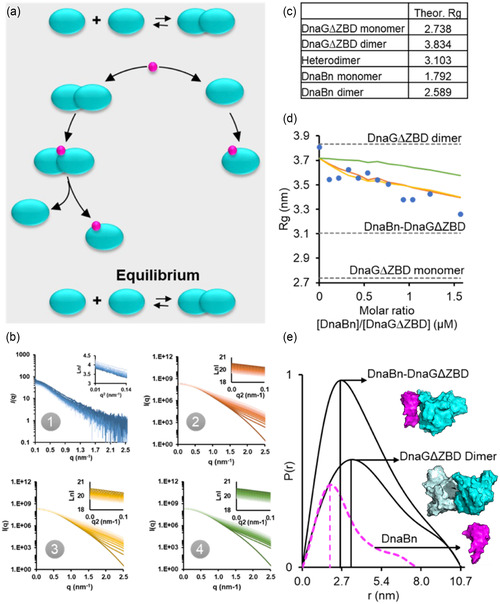 Figure 5
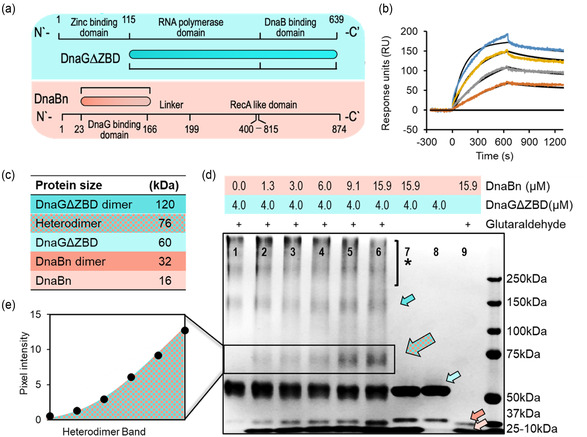 Figure 6
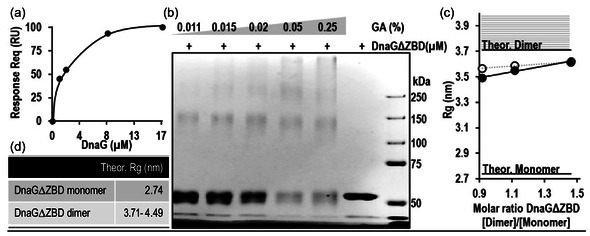 Figure 7
Peer Reviews
No public reviews on file for this paper yet. If you reviewed it on a platform where reviews are public (OpenReview, ICLR, NeurIPS, ICML), you can paste yours below so the community can read it here.
Videos
No videos yet. Explain this paper in a talk, walkthrough, or lecture? Add one.
Taxonomy
TopicsAdvanced NMR Techniques and Applications · Microfluidic and Capillary Electrophoresis Applications · Chemical Reactions and Isotopes