Probing the Stability of Halogenated Carbon Atomic Wires in Electrospun Nanofibers via Raman Spectroscopy
Simone Melesi, Piotr Pińkowski, Bartłomiej Pigulski, Nurbey Gulia, Sławomir Szafert, Chiara Bertarelli, Chiara Castiglioni, Carlo S. Casari

TL;DR
This paper shows that embedding halogenated carbon atomic wires in electrospun nanofibers improves their stability and opens new possibilities for their use in various applications.
Contribution
The first example of electrospun nanofibers embedding halogenated carbon atomic wires is presented, demonstrating enhanced stability.
Findings
Halogenated carbon atomic wires were successfully embedded in nanofibers with minimal morphological impact.
The embedded wires showed resistance to degradation for at least six months and improved thermal and photostability.
Different halogen terminations influenced degradation kinetics and pathways of the wires.
Abstract
Carbon atomic wires (CAWs) are one-dimensional (1D) sp-carbon nanostructures with remarkable electronic, mechanical, and optical properties, but their instability limits their practical applications. Embedding them in solid matrices can enhance their stability. This work reports the first example of electrospun nanofibers embedding halogenated CAWs. A solution of poly(methyl methacrylate) and CAWs in N,N-dimethylformamide was electrospun using various parameters to investigate the effects on fiber morphology and diameter. Halogenated CAWs were successfully incorporated with a minimal morphological impact. Raman spectroscopy confirmed effective embedding and CAWs stability during electrospinning. The halogenated CAWs showed resistance to degradation for at least six months and demonstrated enhanced thermal stability when embedded within nanofibers. Additionally, our work investigated…
Genes, proteins, chemicals, diseases, species, mutations and cell lines named across the full text — each resolved to its canonical identifier and authoritative record.
Click any figure to enlarge with its caption.
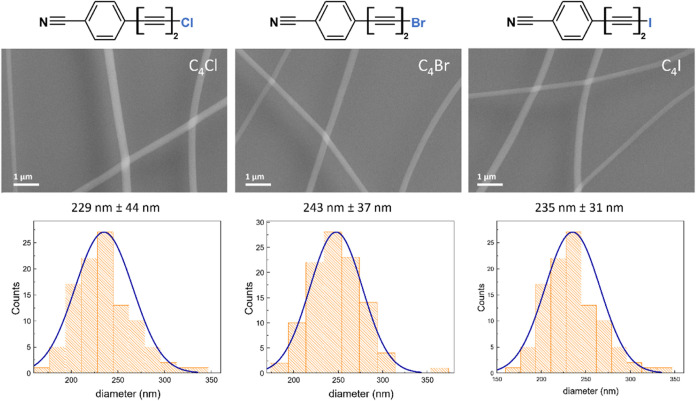 Figure 1
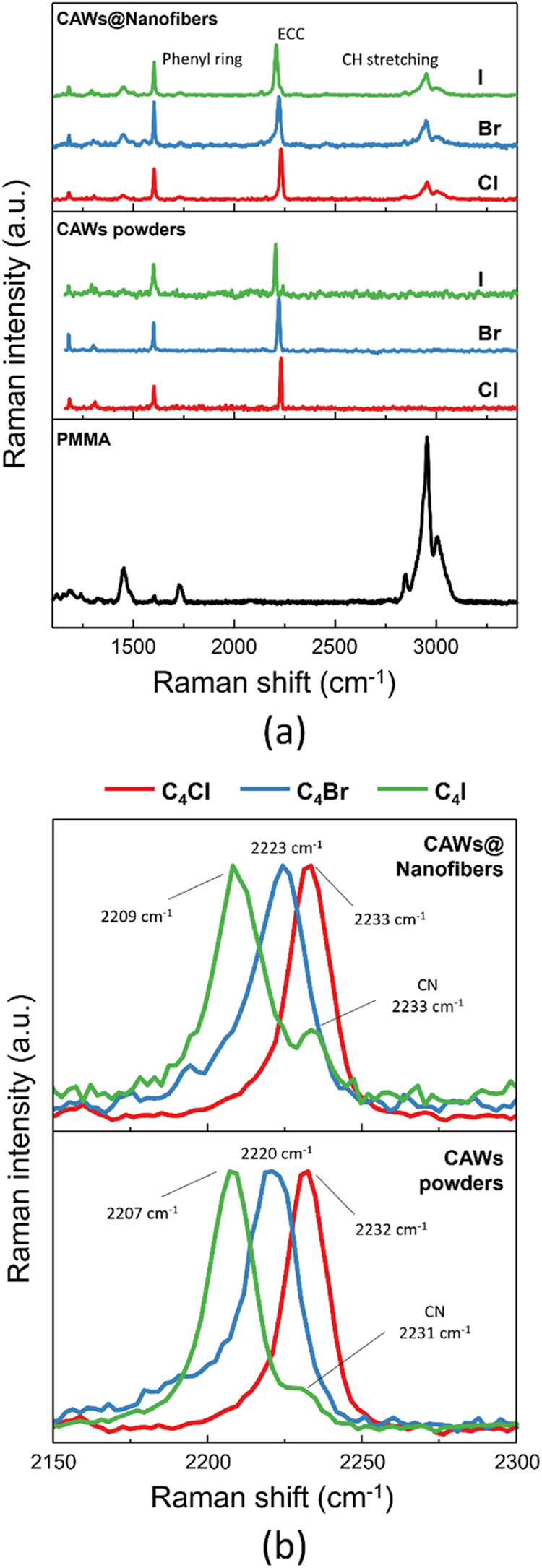 Figure 2
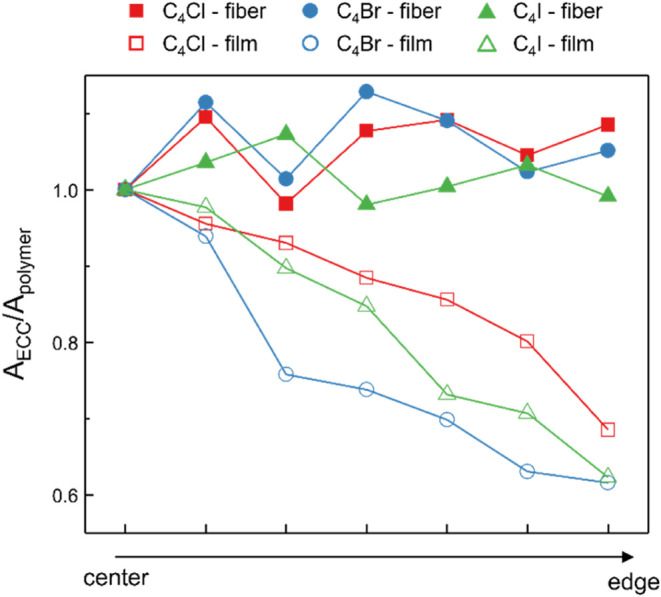 Figure 3
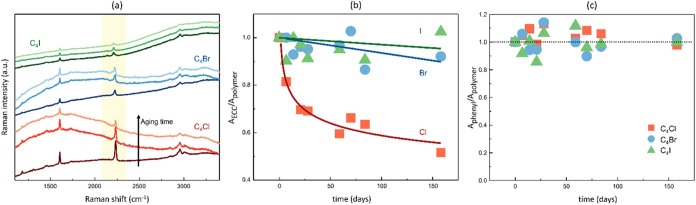 Figure 4
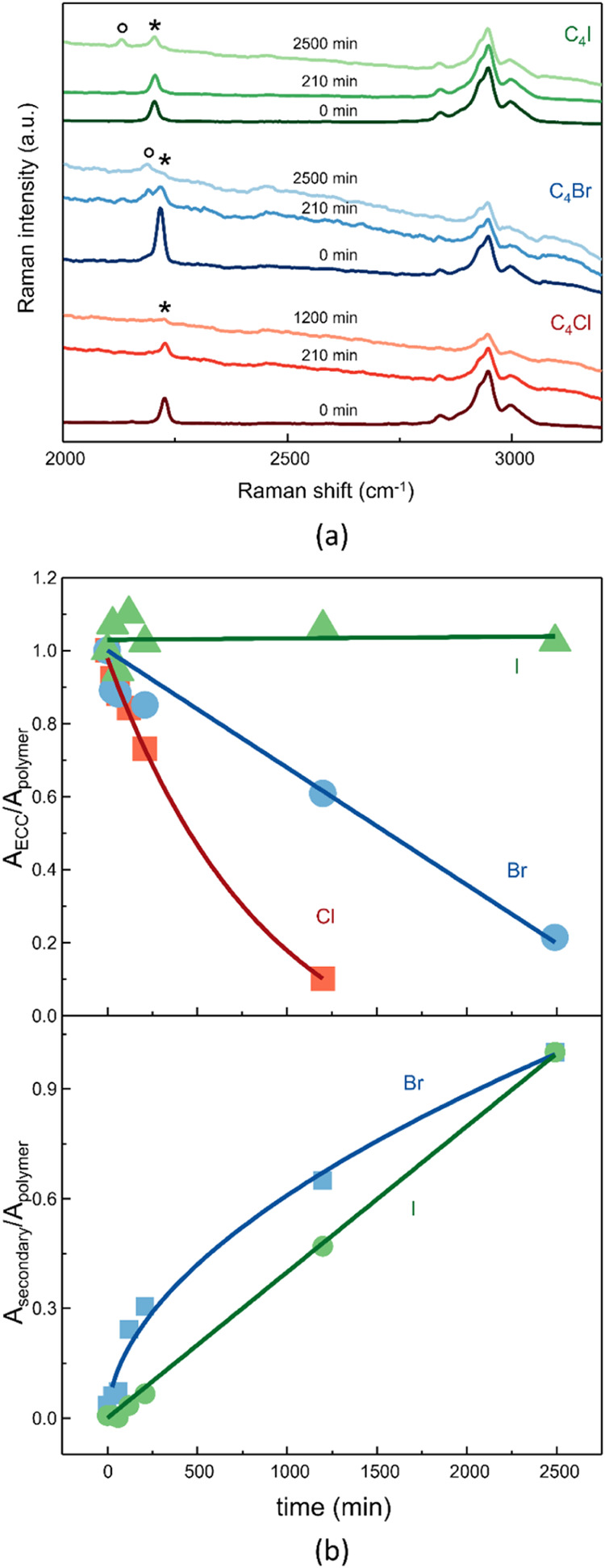 Figure 5
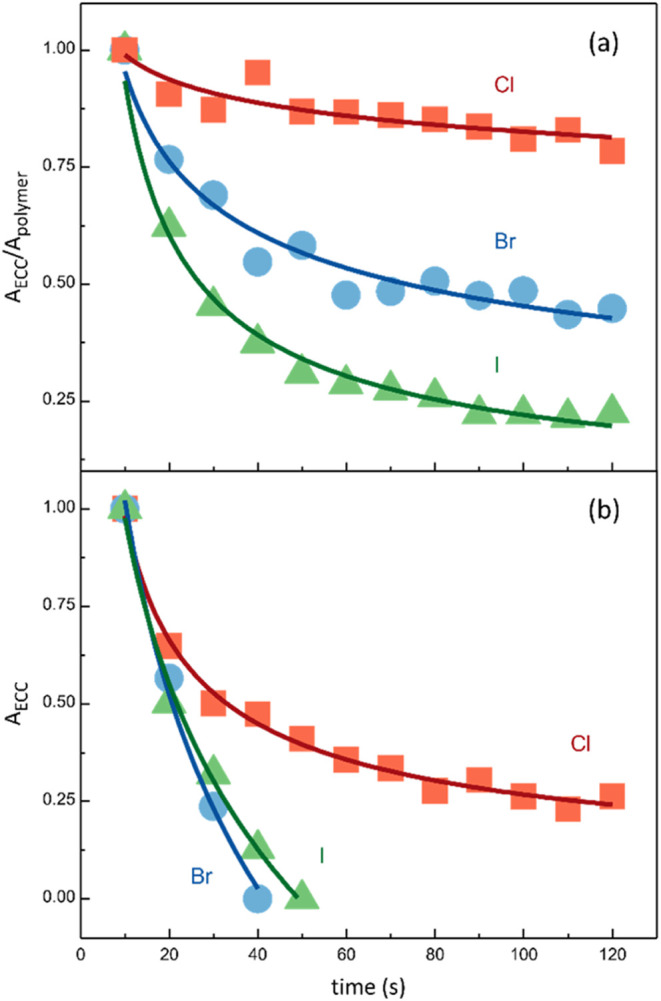 Figure 6
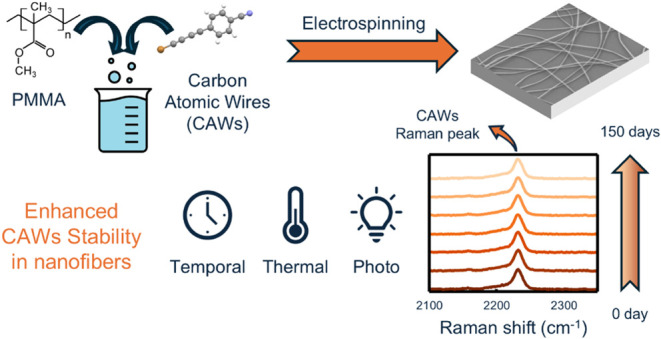 Figure 7
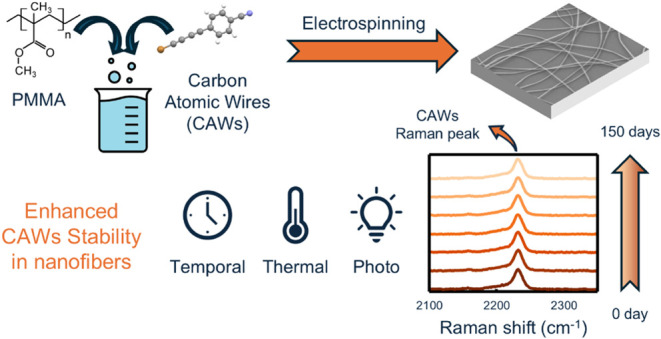 Figure 8
Peer Reviews
No public reviews on file for this paper yet. If you reviewed it on a platform where reviews are public (OpenReview, ICLR, NeurIPS, ICML), you can paste yours below so the community can read it here.
Videos
No videos yet. Explain this paper in a talk, walkthrough, or lecture? Add one.
Taxonomy
TopicsSupercapacitor Materials and Fabrication · Electrocatalysts for Energy Conversion · Fuel Cells and Related Materials