Biodegradable Temperature Sensors with Enhanced Sensitivity Using Bioderived Ionic Liquid with Sodium Ions
Shunsuke Yamada, Takashi Honda

TL;DR
This paper introduces a biodegradable temperature sensor using a sodium-doped ionic liquid to improve sensitivity for healthcare and environmental monitoring.
Contribution
The novel use of sodium-doped choline lactate ionic liquid significantly enhances the temperature coefficient of resistance in biodegradable sensors.
Findings
The Na-doped ionic gel achieved a thermal index of 7563 K and a TCR of 8.4%/K.
The sensor degraded in phosphate-buffered solution over 48 days, leaving only the encapsulation layer.
Enhanced intermolecular interactions from Na doping improve sensor sensitivity.
Abstract
Gels promise the development of flexible sensors for electronic and ionic skins owing to their high affinity for human skin, making them ideal for biomedical monitoring. Bioderived ionic liquids and their gels possess favorable physical and electrochemical characteristics, including extremely low vapor pressure, high ionic conductivity, and biodegradability, which suit applications of transient electronics requiring the autonomous decomposition of materials. However, their low temperature coefficient of resistance (TCR) may hinder the use of bioderived ionic liquids in wearable devices, implants, and environmental sensing. To address this issue, we doped sodium (Na) ions into the bioderived ionic liquid choline lactate to enhance its TCR for biodegradable temperature sensors. The Na ions improve the coupling of choline and lactate, resulting in a Na-doped ionic liquid with a high TCR,…
Genes, proteins, chemicals, diseases, species, mutations and cell lines named across the full text — each resolved to its canonical identifier and authoritative record.
Click any figure to enlarge with its caption.
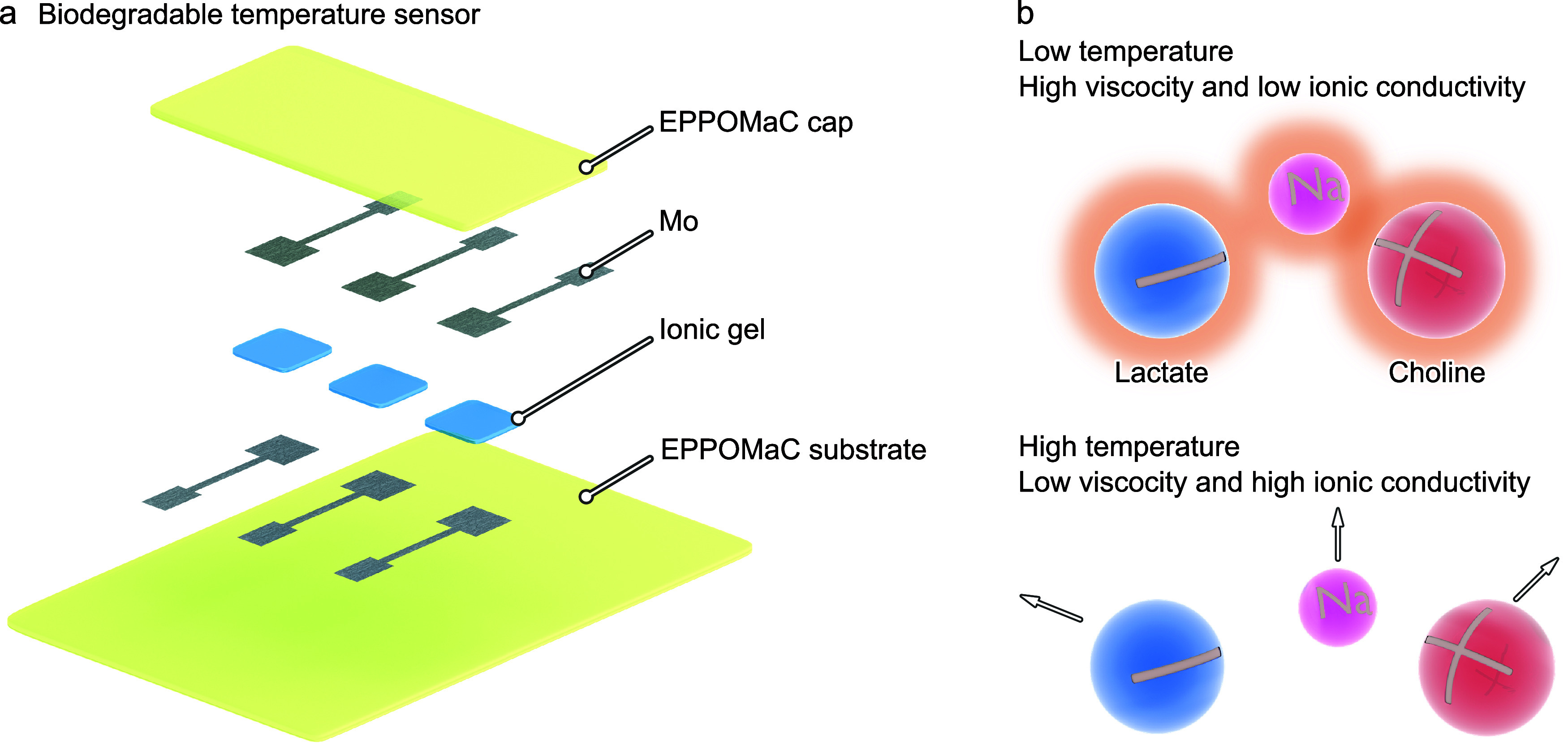 Figure 1
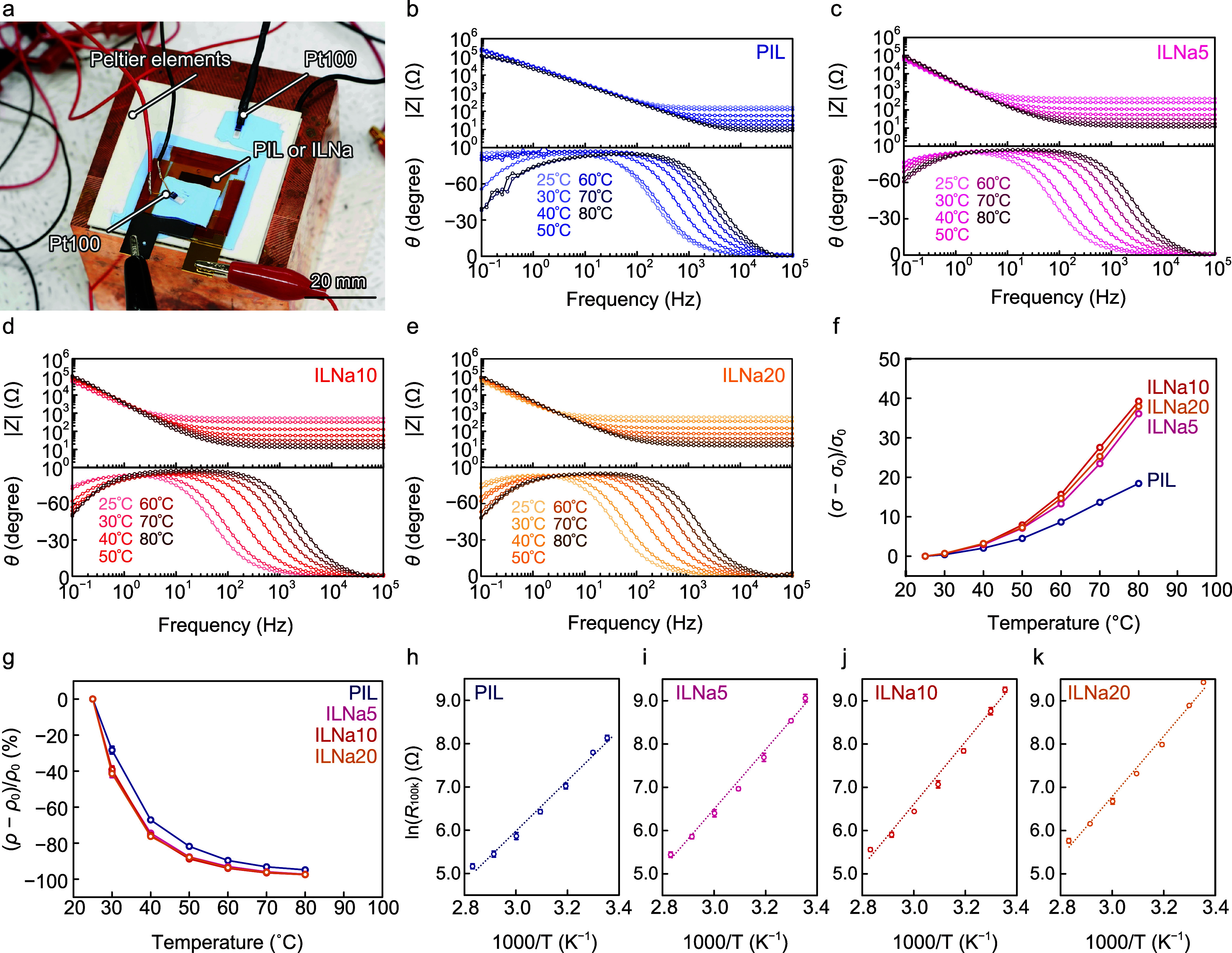 Figure 2
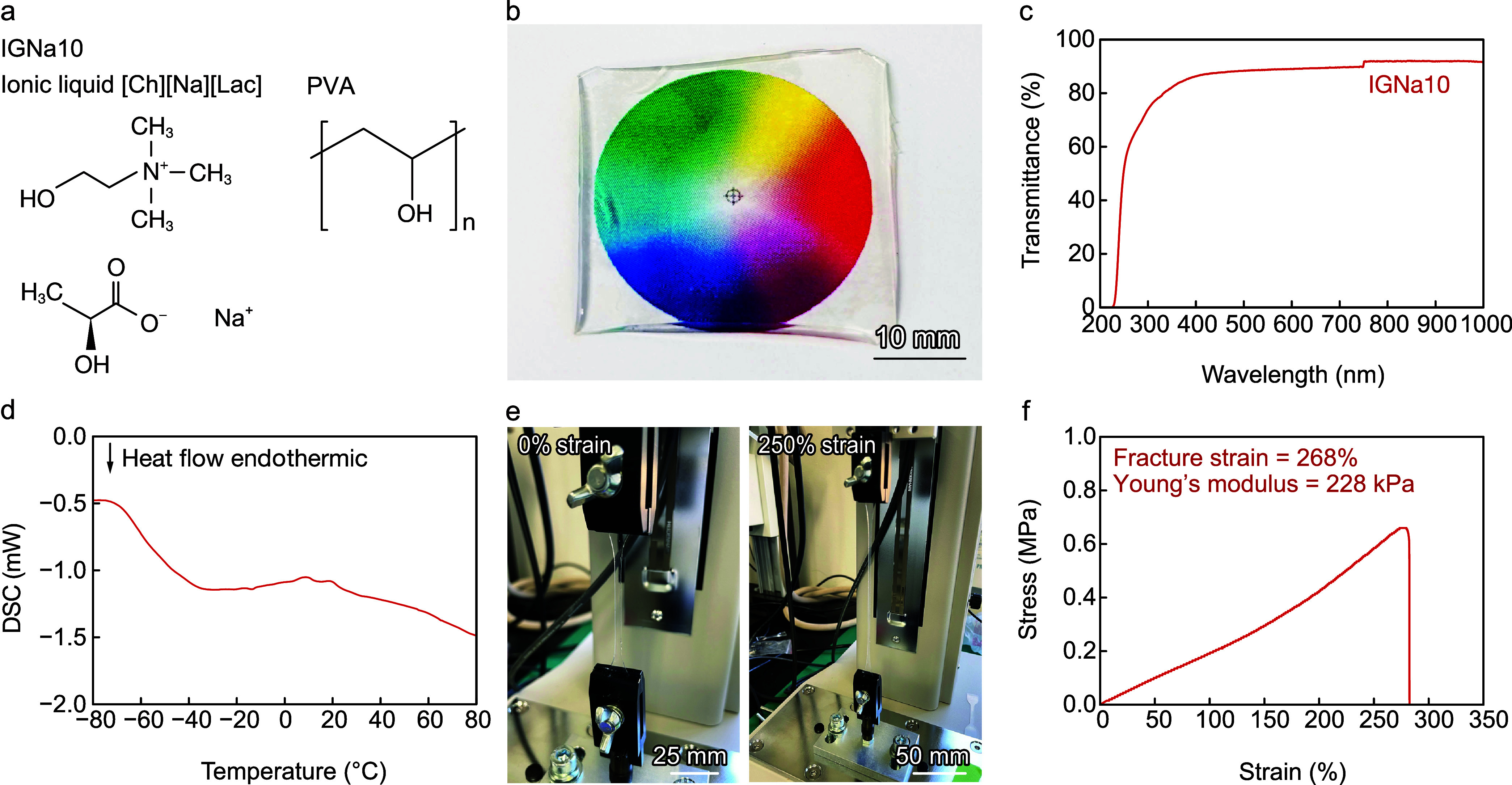 Figure 3
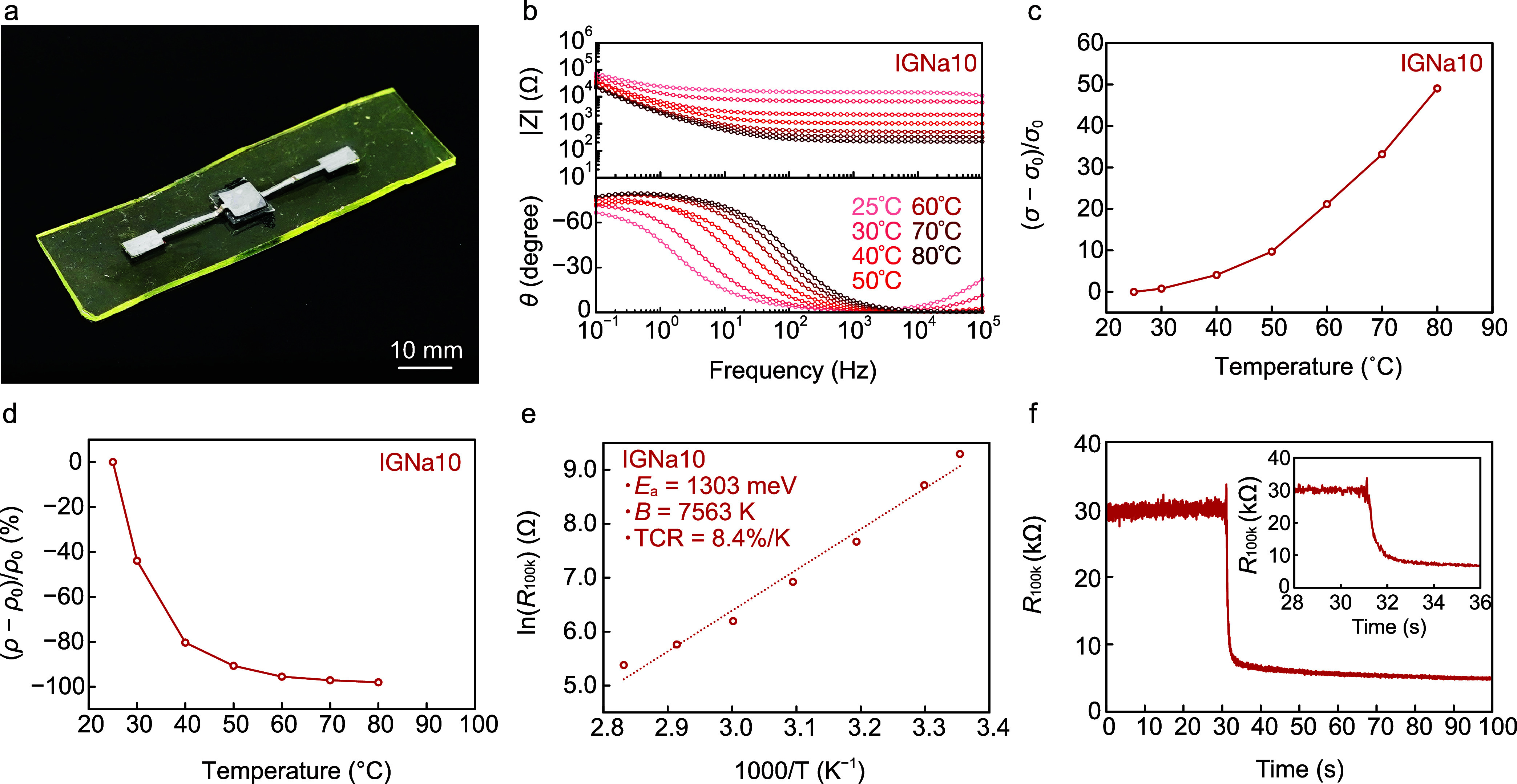 Figure 4
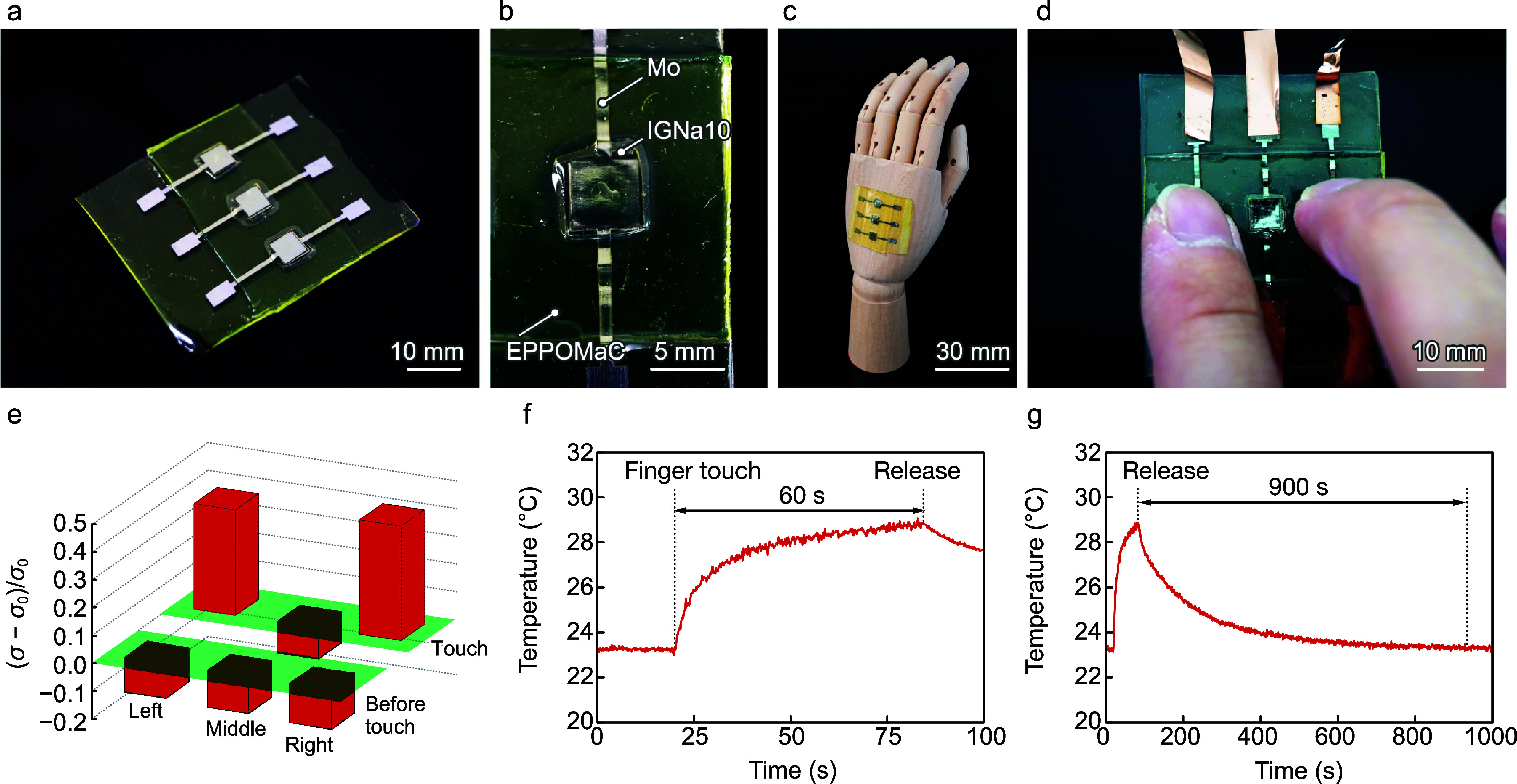 Figure 5
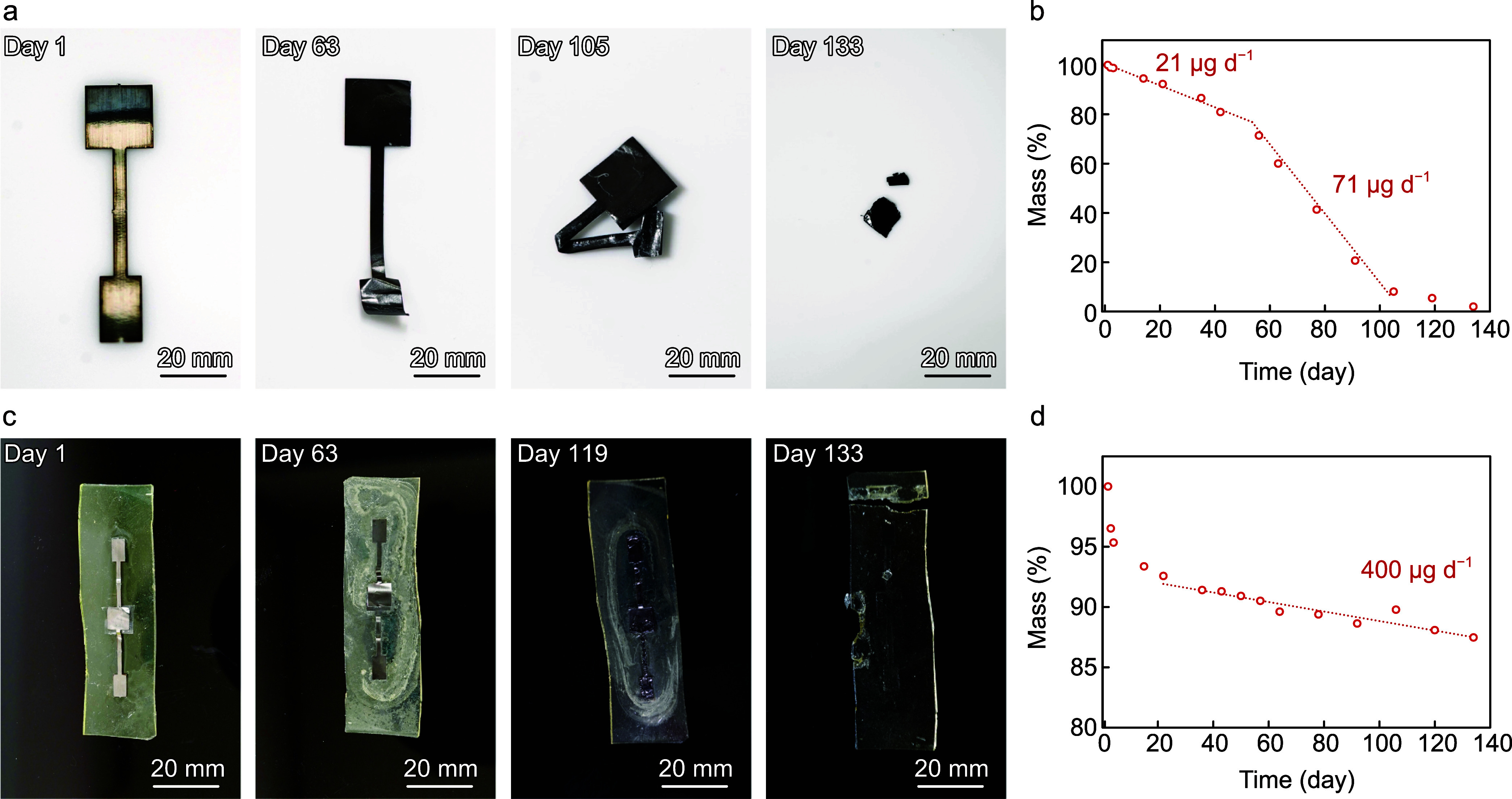 Figure 6
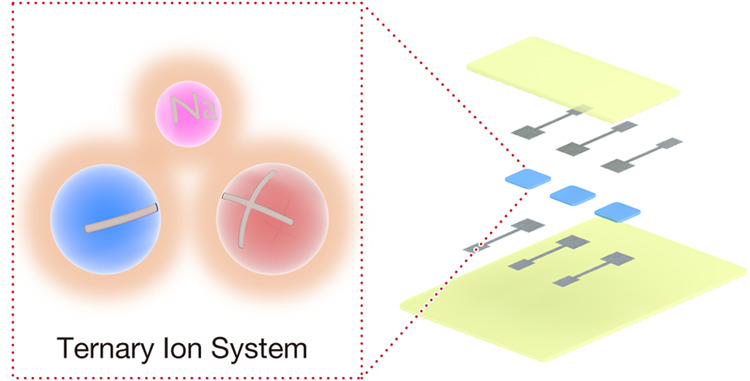 Figure 7
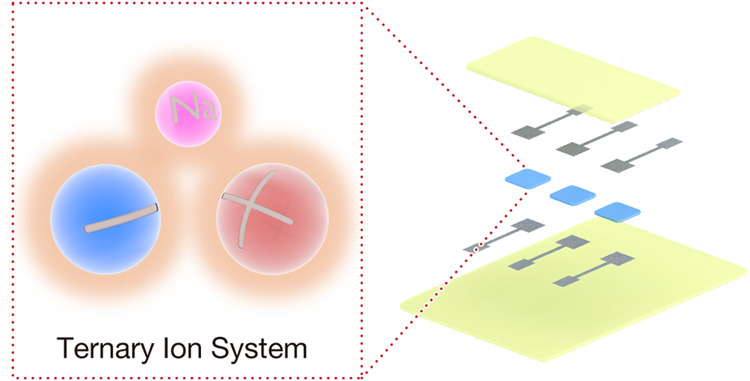 Figure 8
 Figure 9
 Figure 10
 Figure 11
 Figure 12
 Figure 13
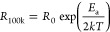 Figure 14
 Figure 15
 Figure 16
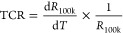 Figure 17
 Figure 18
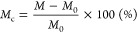 Figure 19
 Figure 20
 Figure 21
 Figure 22
 Figure 23
 Figure 24
Peer Reviews
No public reviews on file for this paper yet. If you reviewed it on a platform where reviews are public (OpenReview, ICLR, NeurIPS, ICML), you can paste yours below so the community can read it here.
Videos
No videos yet. Explain this paper in a talk, walkthrough, or lecture? Add one.
Taxonomy
TopicsAdvanced Sensor and Energy Harvesting Materials · Conducting polymers and applications · Advanced Chemical Sensor Technologies