Long-Term Endovascular Management of a Large Superior Mesenteric Artery Aneurysm Secondary to Median Arcuate Ligament Syndrome: A Six-Year Follow-Up Study
Maciej Mach, Tomasz Ostrowski, Mikolaj M Rusin, Rafał Maciąg, Michał Sajdek, Zbigniew Gałązka

TL;DR
A 75-year-old woman with a rare artery condition and a large aneurysm underwent multiple endovascular treatments over six years due to imaging limitations and refusal of surgery.
Contribution
This case study demonstrates long-term endovascular management of a complex SMA aneurysm in a patient with MALS and imaging constraints.
Findings
Endovascular embolization was used over six years for managing a large SMA aneurysm secondary to MALS.
Imaging limitations due to metal artifacts and embolization materials hindered precise follow-up.
The patient's refusal of surgery necessitated conservative monitoring and repeated interventions.
Abstract
Median arcuate ligament syndrome (MALS), also known as Dunbar syndrome, is a rare vascular condition caused by compression of the celiac trunk by the median arcuate ligament, leading to altered visceral blood flow and promoting collateral circulation that can predispose patients to visceral artery aneurysms (VAAs), particularly within the pancreaticoduodenal arcade. These aneurysms carry a significant risk of rupture and require timely intervention. We present the case of a 75-year-old female patient with an incidentally discovered large superior mesenteric artery (SMA) aneurysm and complete celiac trunk occlusion due to MALS. The patient’s medical history was notable for multiple comorbidities and bilateral hip arthroplasties, which rendered magnetic resonance imaging (MRI) nonviable because of pronounced metal artifacts. Over a period of six years, she underwent several staged…
Genes, proteins, chemicals, diseases, species, mutations and cell lines named across the full text — each resolved to its canonical identifier and authoritative record.
Click any figure to enlarge with its caption.
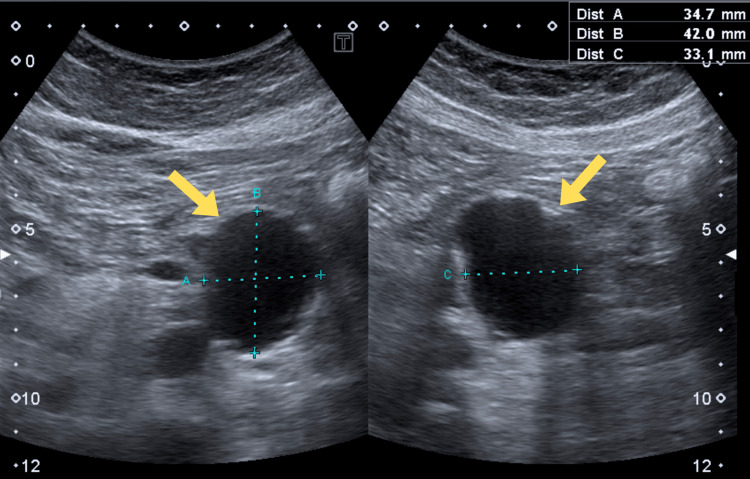 Figure 1
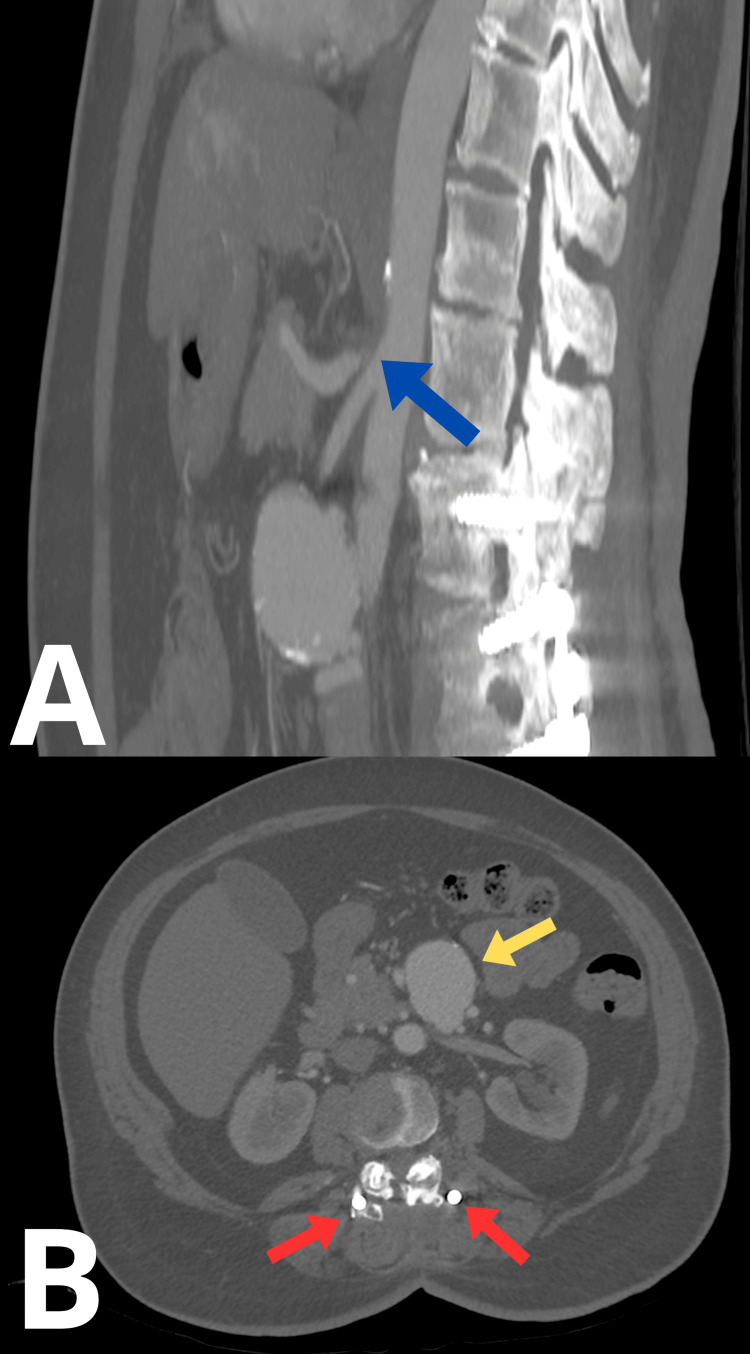 Figure 2
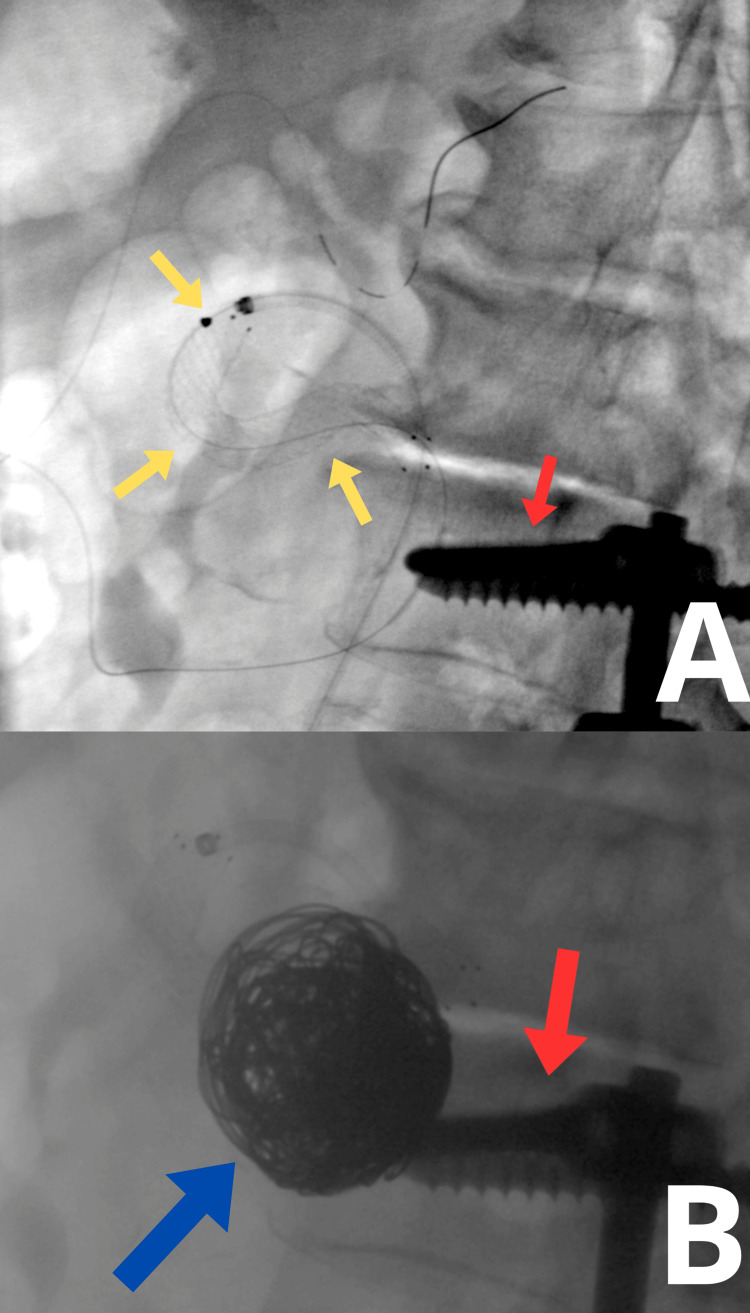 Figure 3
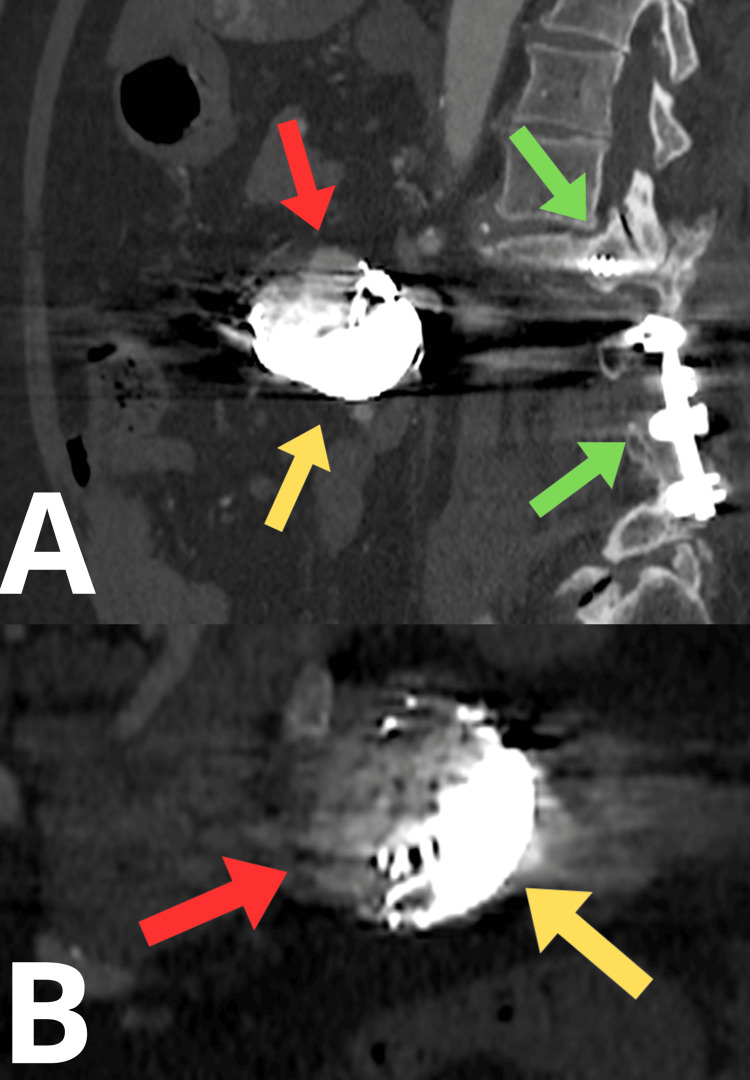 Figure 4
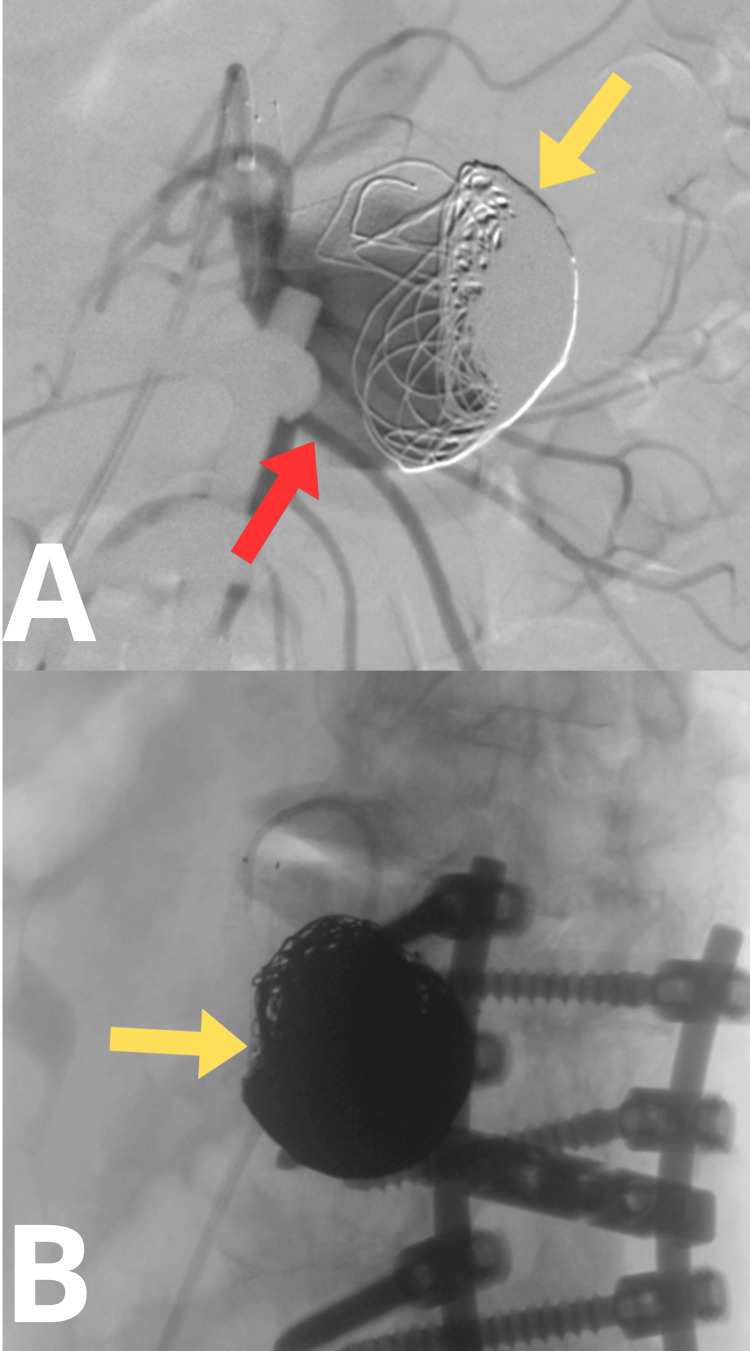 Figure 5
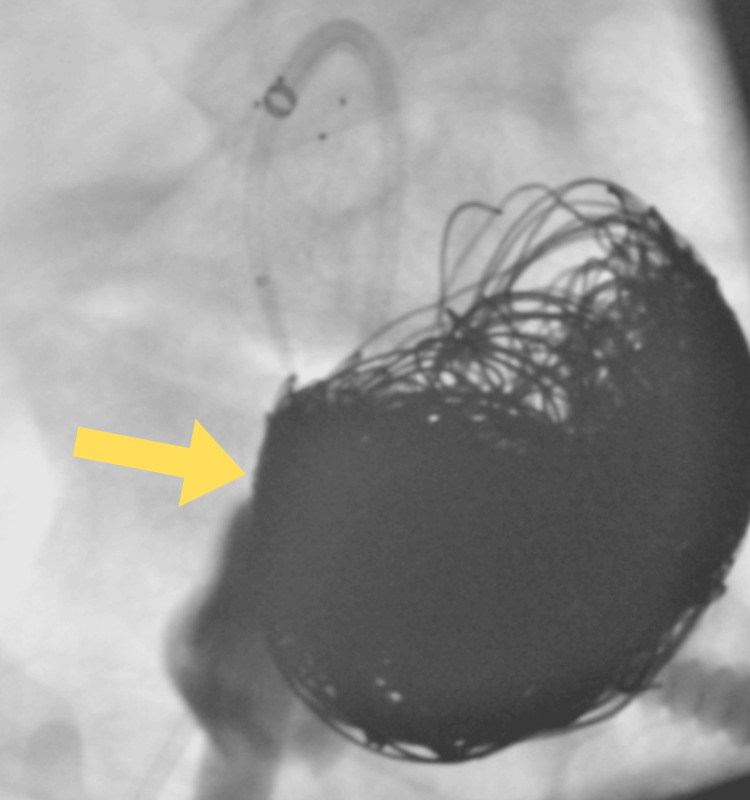 Figure 6
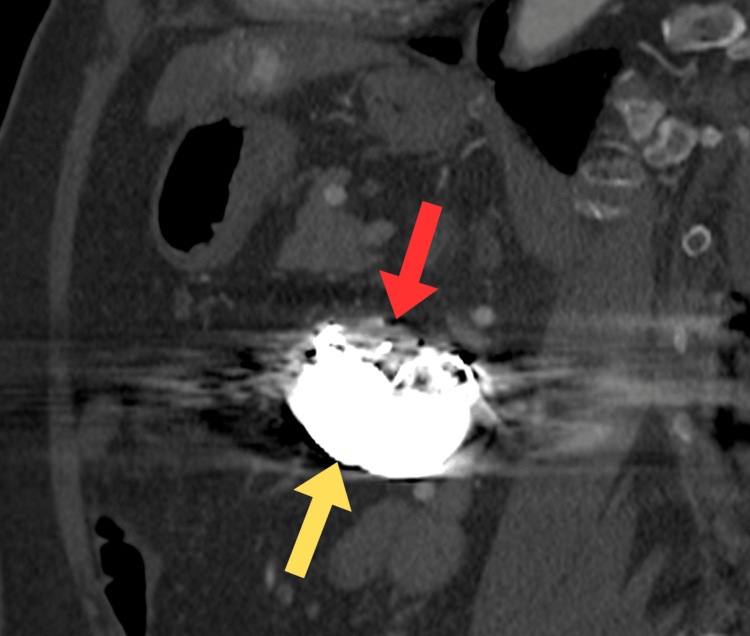 Figure 7
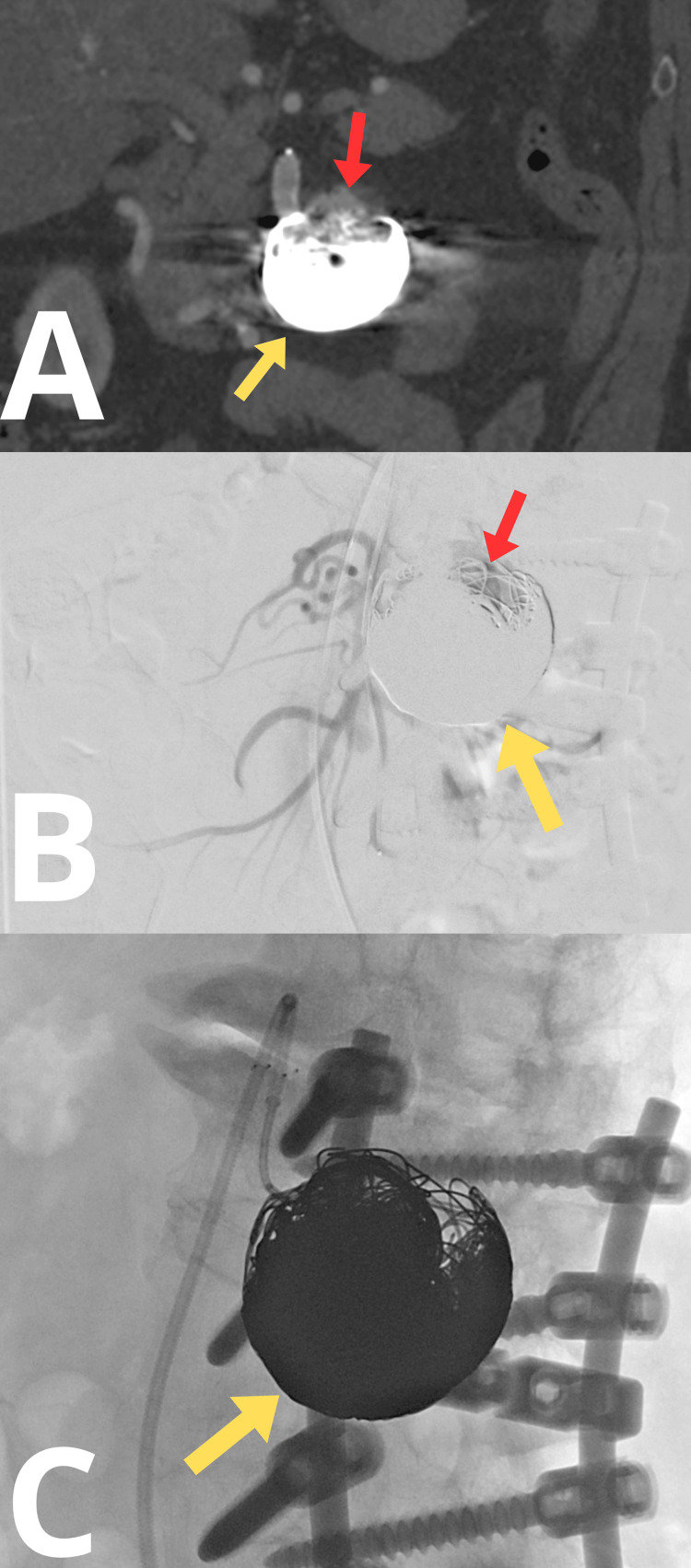 Figure 8
Peer Reviews
No public reviews on file for this paper yet. If you reviewed it on a platform where reviews are public (OpenReview, ICLR, NeurIPS, ICML), you can paste yours below so the community can read it here.
Videos
No videos yet. Explain this paper in a talk, walkthrough, or lecture? Add one.
Taxonomy
TopicsAbdominal vascular conditions and treatments · Vascular anomalies and interventions · Aortic aneurysm repair treatments