Host Organelle Interactions Facilitate Cholesterol Acquisition by Trypanosoma cruzi Amastigotes
Carolina de Lima Alcantara, Miria Gomes Pereira, Wanderley de Souza, Narcisa Leal da Cunha‐e‐Silva

TL;DR
The study reveals how the Trypanosoma cruzi parasite acquires cholesterol from host cells, which is crucial for its survival and growth during infection.
Contribution
The paper provides new insights into the mechanisms by which T. cruzi amastigotes acquire cholesterol from host organelles.
Findings
Amastigotes take up cholesterol from host cells, which is essential for their development.
Close contact between the host endoplasmic reticulum and amastigote plasma membrane suggests a route for cholesterol transfer.
Amastigotes internalize ER- and Golgi-derived host markers, indicating a potential pathway for host molecule acquisition.
Abstract
Chagas disease, caused by the protozoan Trypanosoma cruzi, is a major neglected disease in Latin America. The amastigote, the replicative intracellular form, is essential for infection persistence in vertebrate hosts. These forms exhibit remarkable adaptability, modulating metabolism and growth according to host cell resource availability. Lipid metabolism plays a critical role in amastigote development, with a strong dependence on host‐derived lipids, particularly cholesterol. Although T. cruzi can synthesize some sterols and fatty acids, it also scavenges essential lipids from the host. Changes in host cholesterol metabolism, possibly via SREBPs, may increase intracellular cholesterol levels and promote parasite growth. However, the mechanisms of cholesterol acquisition by amastigotes remain unclear. Here, we investigated cholesterol trafficking from host cells to amastigotes using…
Genes, proteins, chemicals, diseases, species, mutations and cell lines named across the full text — each resolved to its canonical identifier and authoritative record.
Click any figure to enlarge with its caption.
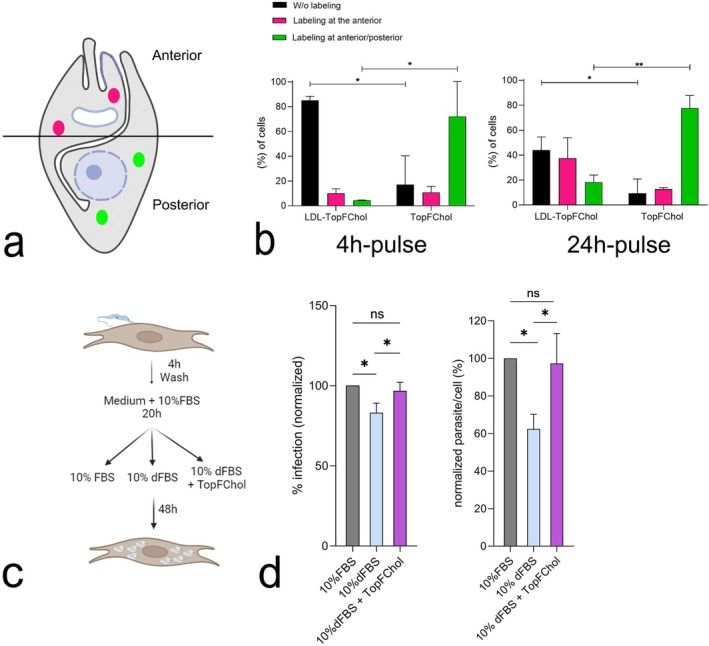 Figure 1
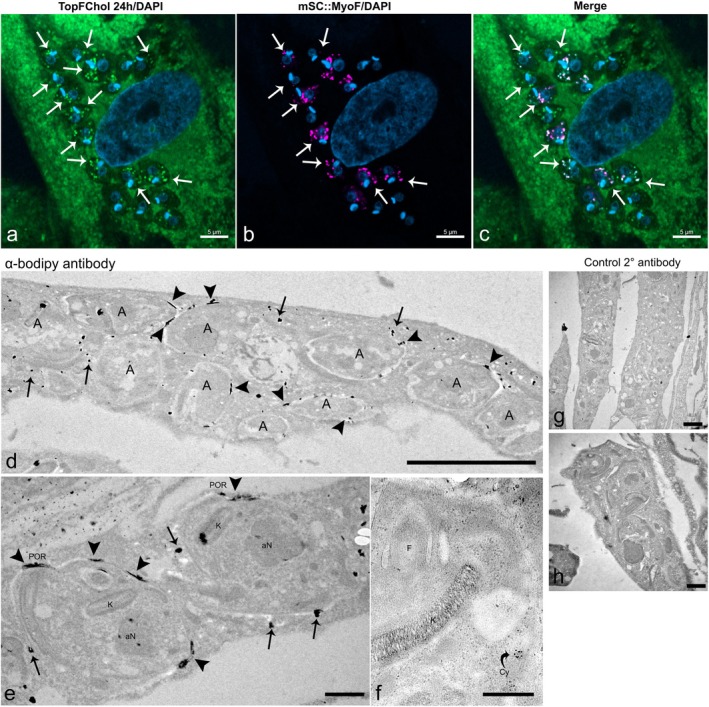 Figure 2
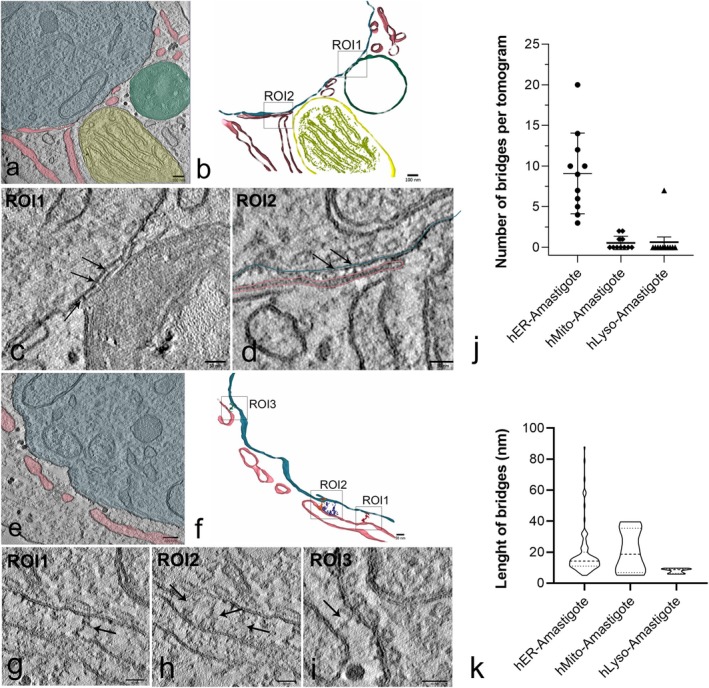 Figure 3
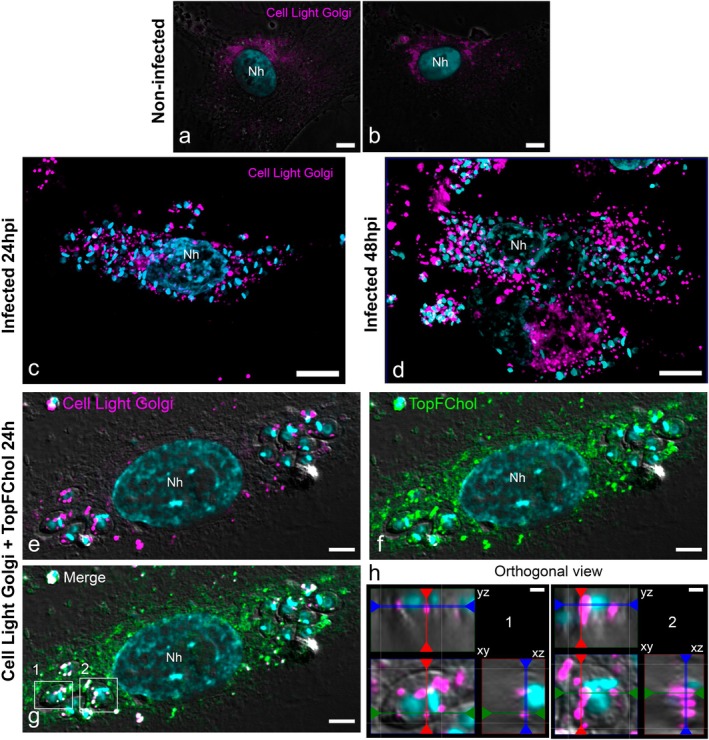 Figure 4
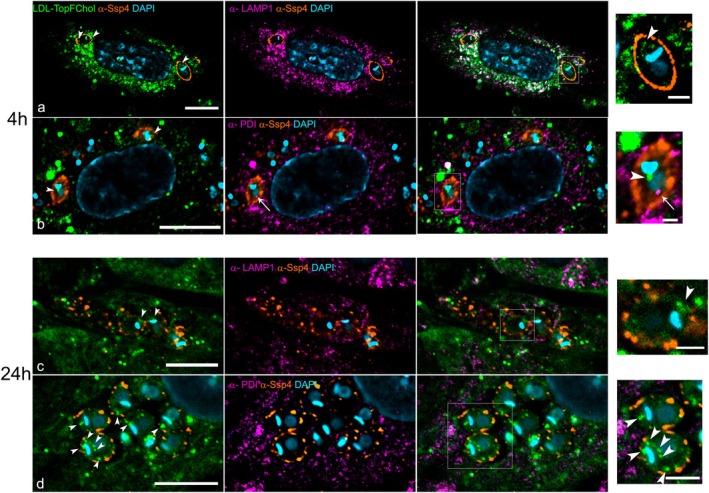 Figure 5
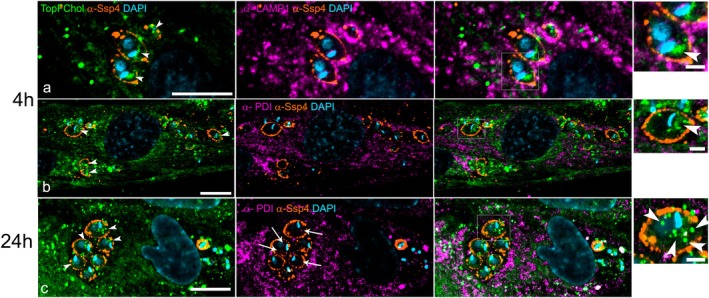 Figure 6
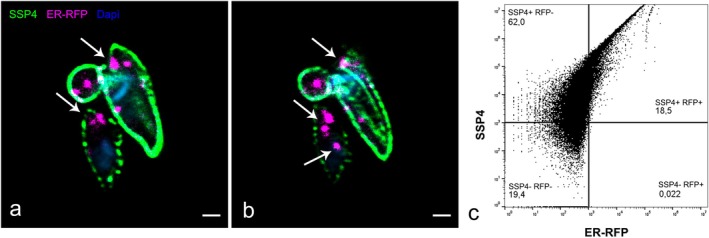 Figure 7
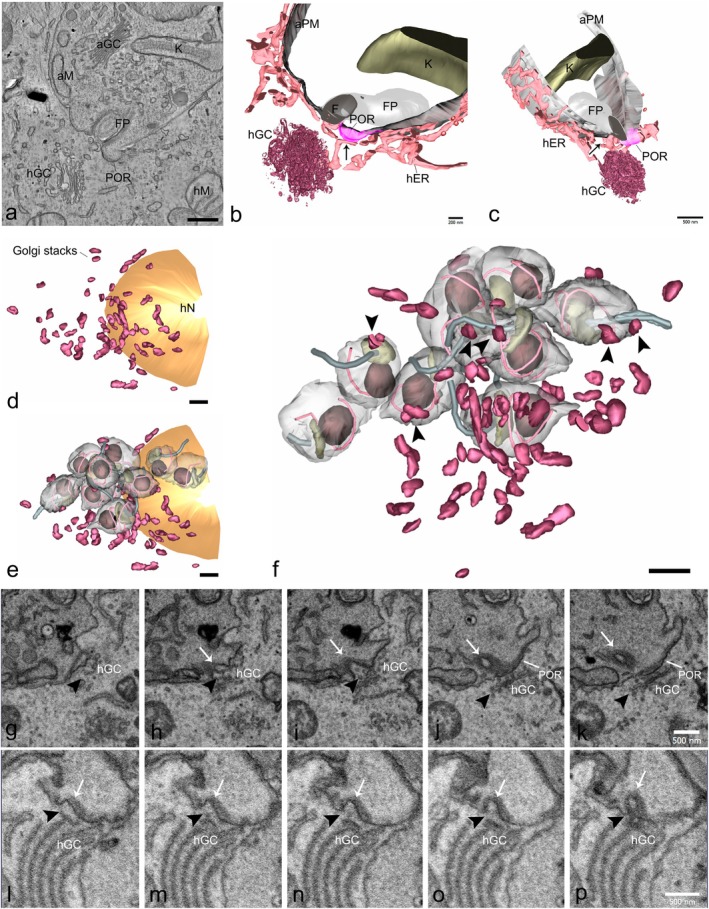 Figure 8
 Figure 9
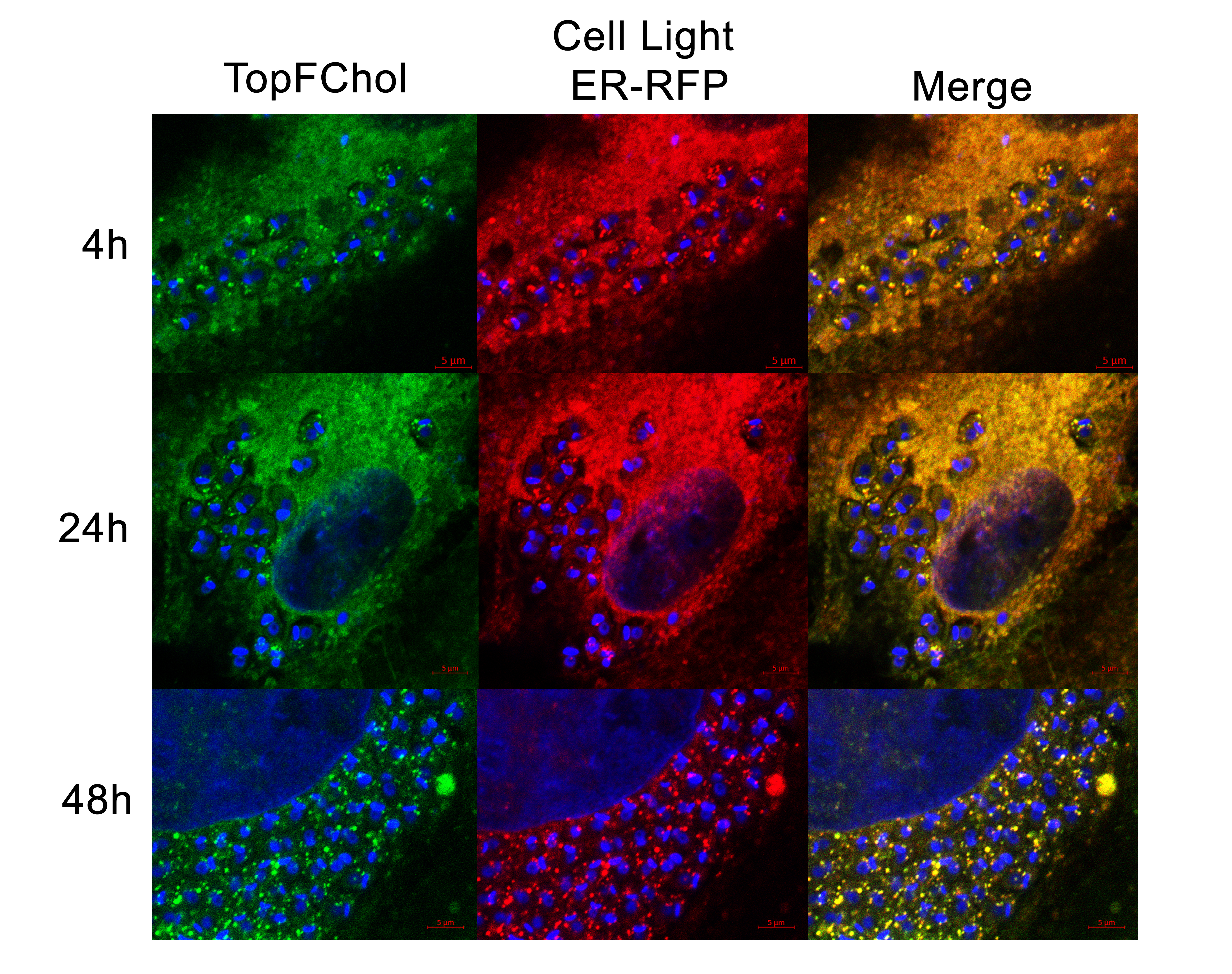 Figure 10
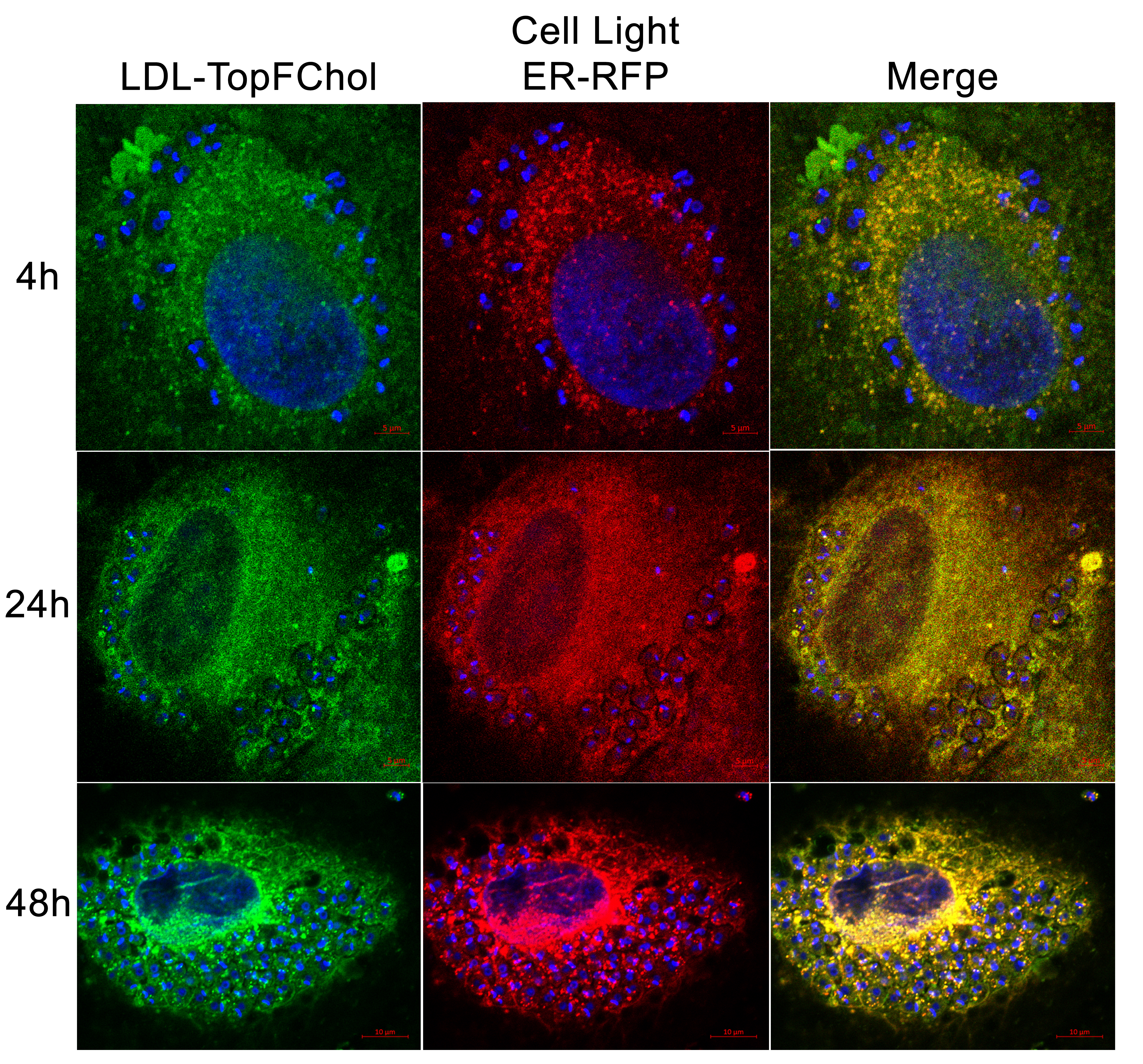 Figure 11
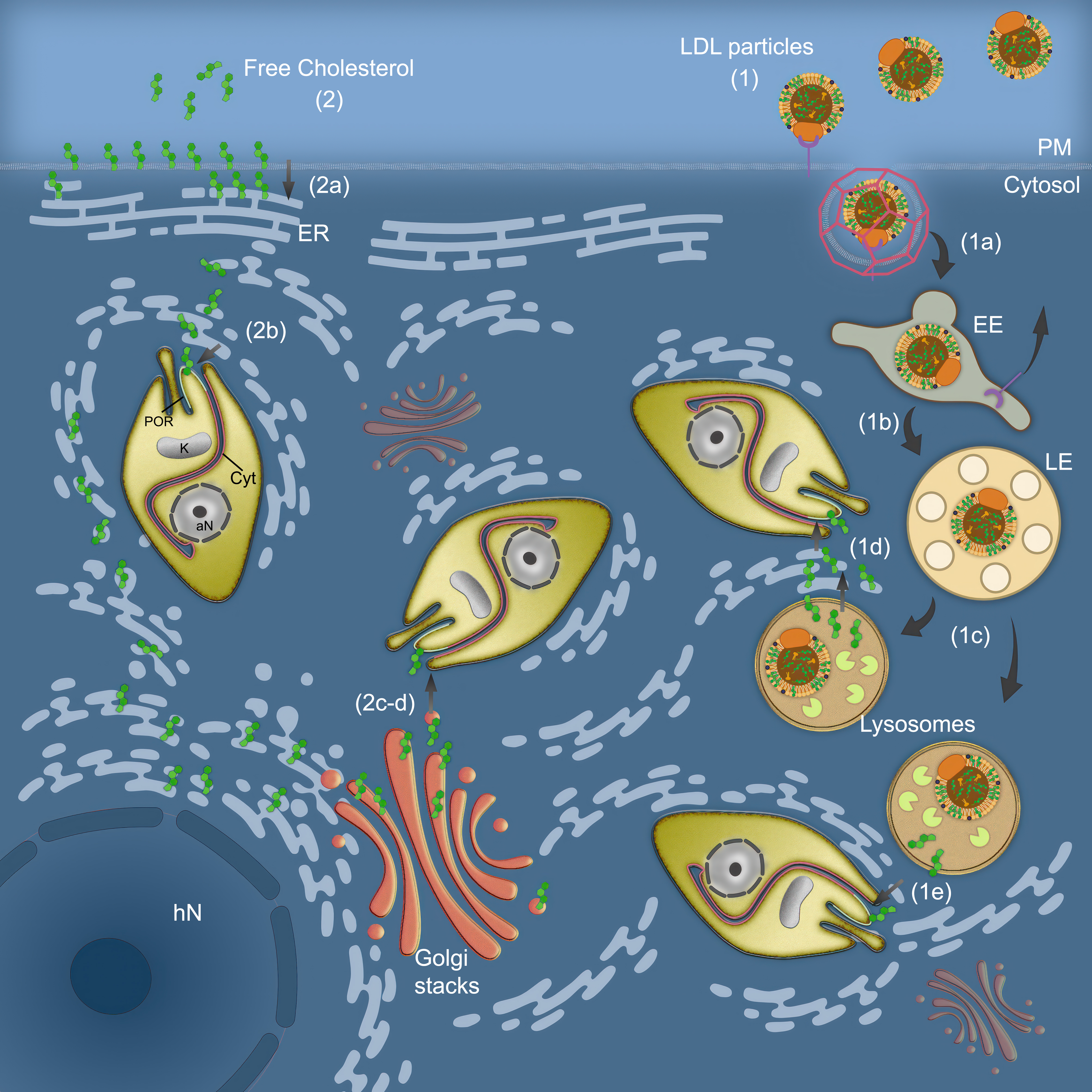 Figure 12
Peer Reviews
No public reviews on file for this paper yet. If you reviewed it on a platform where reviews are public (OpenReview, ICLR, NeurIPS, ICML), you can paste yours below so the community can read it here.
Videos
No videos yet. Explain this paper in a talk, walkthrough, or lecture? Add one.
Taxonomy
TopicsTrypanosoma species research and implications · Research on Leishmaniasis Studies · Lysosomal Storage Disorders Research