Comprehensive Bioinformatic Analysis of Epithelial-Mesenchymal Transition (EMT) Network-Related microRNAs As Candidate Signatures in Prostate Adenocarcinoma
Gautam Prasad, Dilutpal Sharma, Anveshika Manoj, Mohammad Kaleem Ahmad

TL;DR
This study identifies microRNAs involved in prostate cancer progression through epithelial-mesenchymal transition, offering potential diagnostic and therapeutic targets.
Contribution
The study provides novel insights into EMT-related microRNAs and their interactions with key transcription factors in prostate adenocarcinoma.
Findings
Eight microRNAs were found to interact with core EMT regulatory transcription factors like CDH1, SNAI1, and ZEB1.
miR-34a-5p showed the strongest interaction with CDH1 and is suggested as a potential biomarker for diagnosis and prognosis.
The study highlights the role of differentially expressed microRNAs in prostate cancer tumorigenesis and metastasis.
Abstract
Prostate cancer is an adenocarcinoma that involves epithelial-mesenchymal transition (EMT) for metastasis. To uncover novel insights into the development of prostate tumors and to identify important genes and putative microRNAs (miRs) for patient care, this study performed an in-depth bioinformatics analysis using dbDEMC3.0 (Zhejiang University, Hangzhou, China), MIENTURNET (University of Rome Tor Vergata, Rome, Italy), and DIANA-miTED (University of Thessaly, Thessaly, Greece) to explore miRs regulating tumorigenesis, proliferation, and potential therapeutic targets. A total of 373 differently expressed miRs were examined in this study, of which 87 had significant upregulation and 85 had significant downregulation. Our results from the MIENTURNET software showed that miR-141-3p, miR-200a-3p, miR-200b-3p, miR-200c-3p, miR-203a-3p, miR-429, miR-34a-5p, and miR-509-3-5p interact with the…
Genes, proteins, chemicals, diseases, species, mutations and cell lines named across the full text — each resolved to its canonical identifier and authoritative record.
Click any figure to enlarge with its caption.
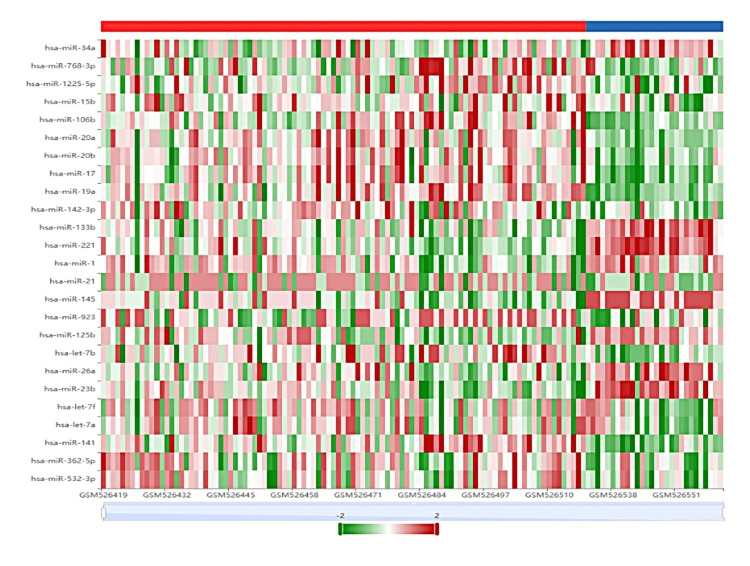 Figure 1
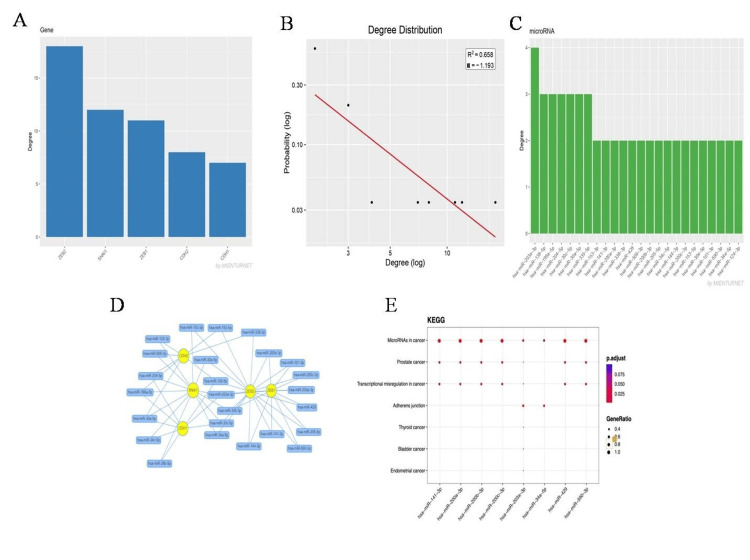 Figure 2
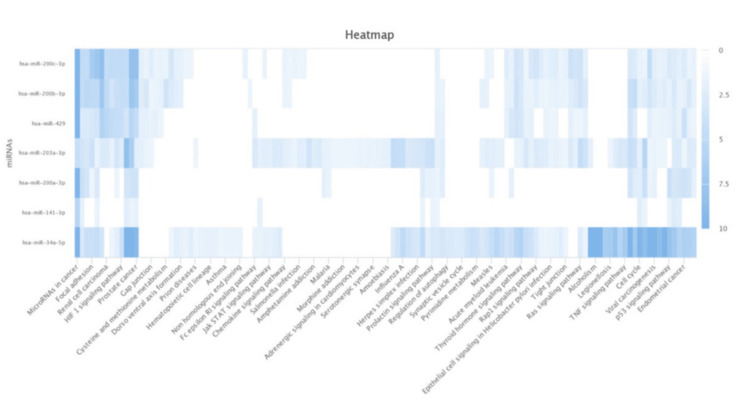 Figure 3
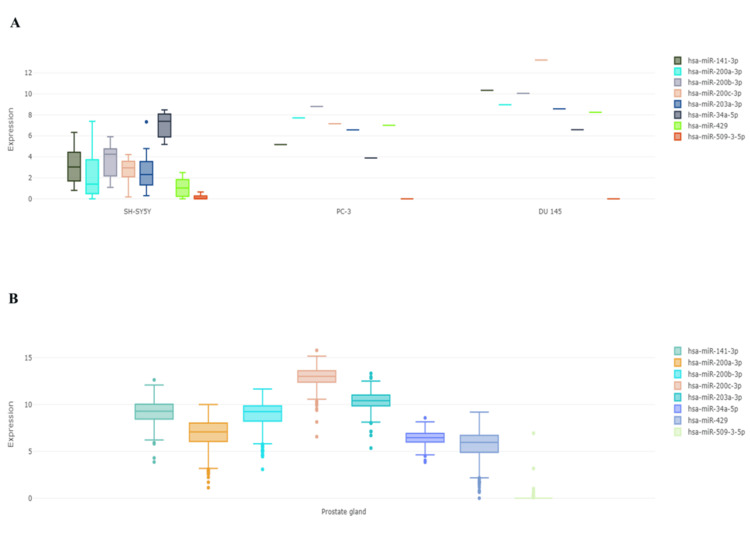 Figure 4
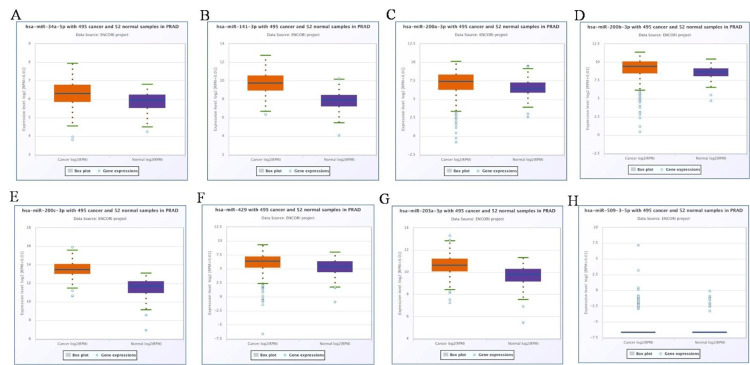 Figure 5
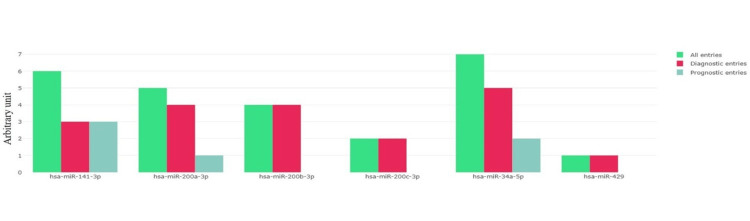 Figure 6
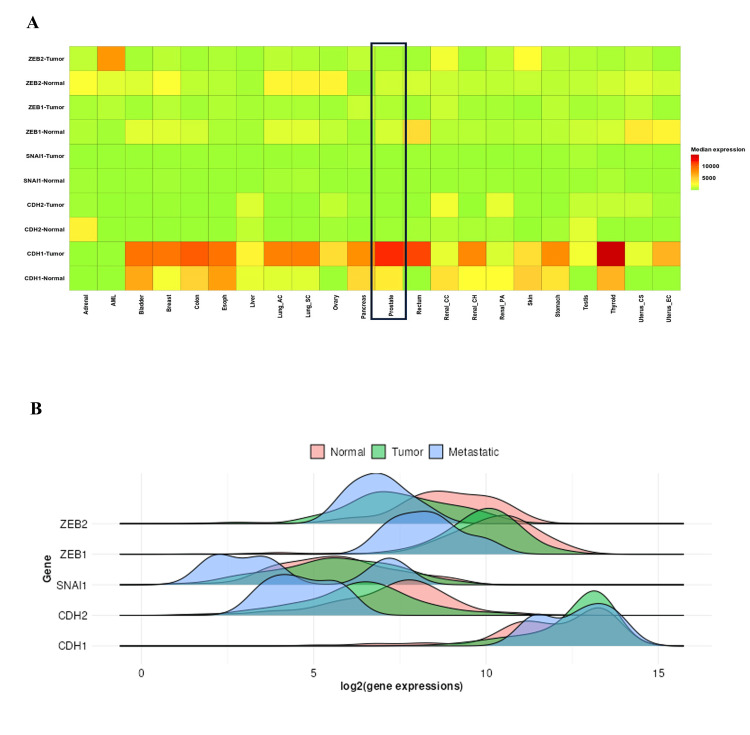 Figure 7
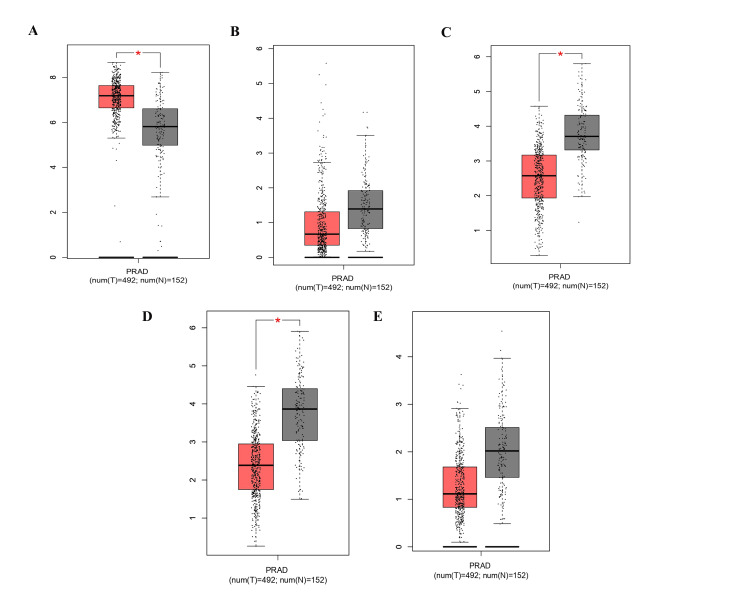 Figure 8
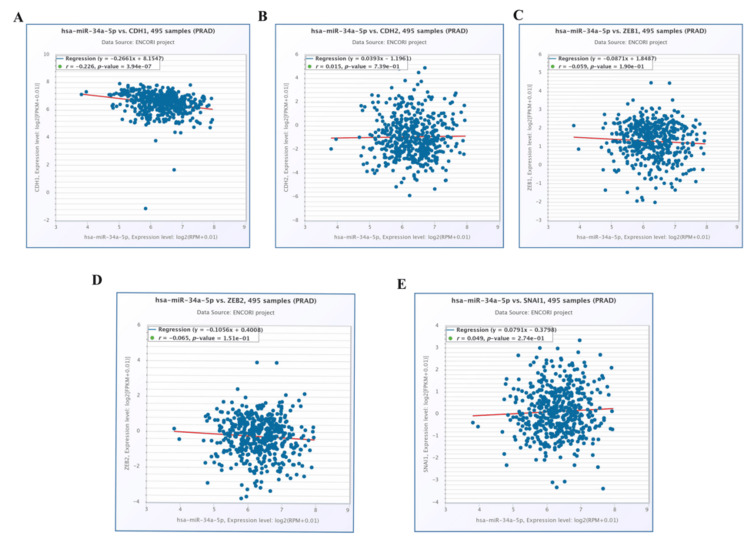 Figure 9
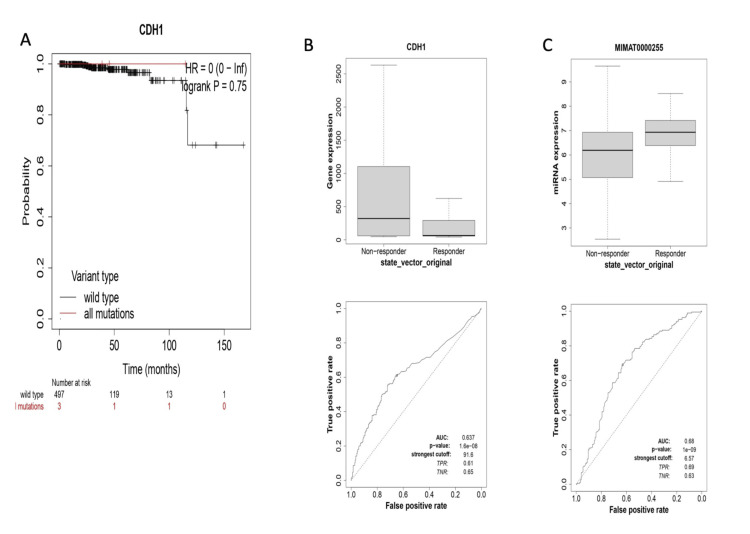 Figure 10
Peer Reviews
No public reviews on file for this paper yet. If you reviewed it on a platform where reviews are public (OpenReview, ICLR, NeurIPS, ICML), you can paste yours below so the community can read it here.
Videos
No videos yet. Explain this paper in a talk, walkthrough, or lecture? Add one.
Taxonomy
TopicsMicroRNA in disease regulation · Cancer-related molecular mechanisms research · Circular RNAs in diseases