Early life microbiome disbalance impacts neuroendocrine outcomes in pre-pubertal mice in a sexually dimorphic manner
Bistra B. Nankova, Furong Hu, Edmund F. LaGamma

TL;DR
Early life gut microbiome disruption in mice leads to sex-specific changes in stress responses and behavior, suggesting a link to neurodevelopmental disorders.
Contribution
This study reveals how early life microbiome disruption causes sexually dimorphic neuroendocrine and behavioral effects in mice.
Findings
Maternal antibiotics caused microbial dysbiosis in offspring with reduced diversity and altered metabolic activity.
Male offspring showed altered adrenal gene expression and reduced stress responses linked to gap junction signaling.
Sex-specific behavioral changes like increased anxiety and reduced locomotion were observed in antibiotic-exposed offspring.
Abstract
Adverse exposures during perinatal development disrupt the emerging gut microbial ecology that in turn negatively influences long term health. How gut dysbiosis affects complex neurobehavioral functions or even simple reflex arcs (e.g. the amplitude of sympathoadrenal adaptive responses to hypoglycemia) in the extrauterine environment is not well understood. The C57Bl6 dams were given broad-spectrum antibiotics in the drinking water at parturition until weaning of their litter to perturb the normal seeding and maturation of the postnatal microbiome, control animals received sterile water. To evaluate the impact of altered postnatal flora the offspring were subjected to behavioral tests or sacrificed after exposure to insulin-induced hypoglycemia. Fecal samples were collected for microbial whole genome shotgun taxonomic profiling and predictive functionality. As an index of host…
Genes, proteins, chemicals, diseases, species, mutations and cell lines named across the full text — each resolved to its canonical identifier and authoritative record.
Click any figure to enlarge with its caption.
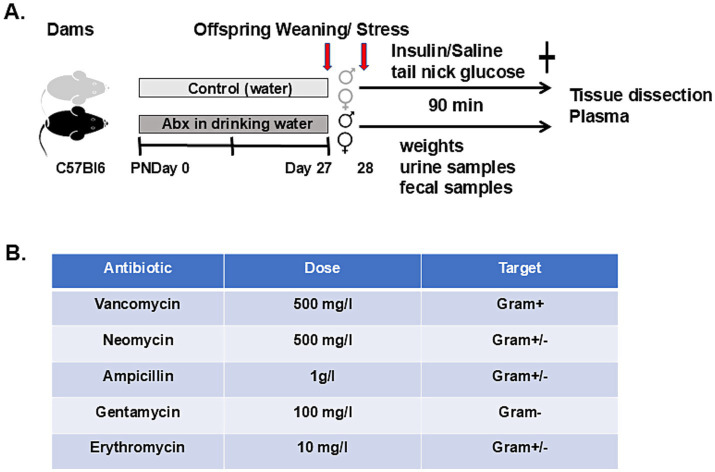 Figure 1
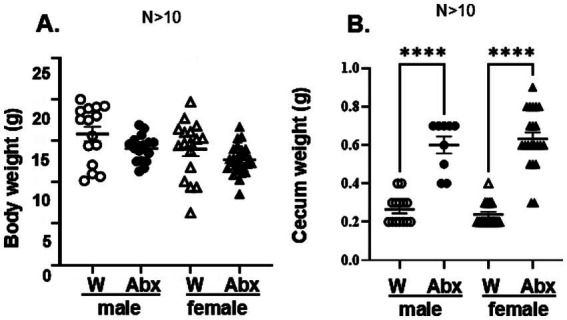 Figure 2
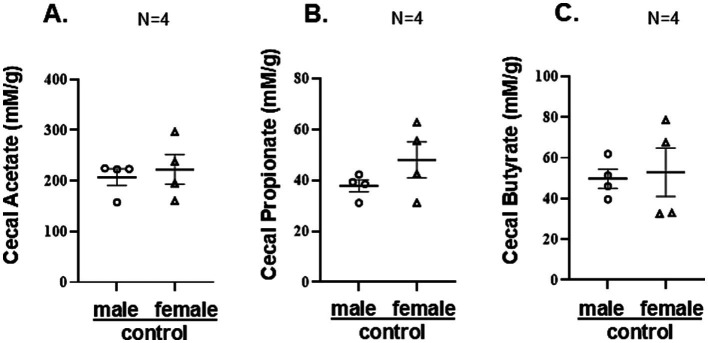 Figure 3
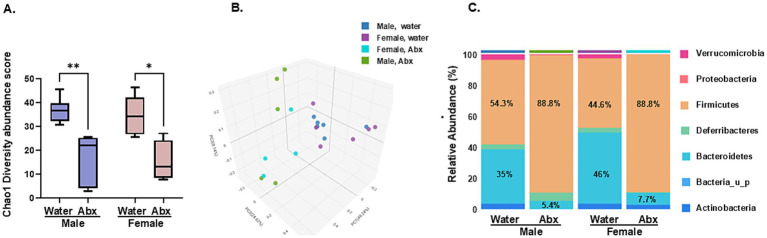 Figure 4
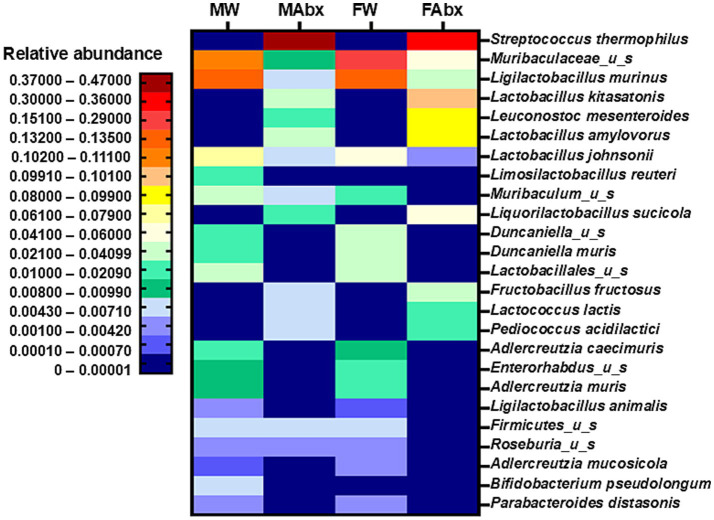 Figure 5
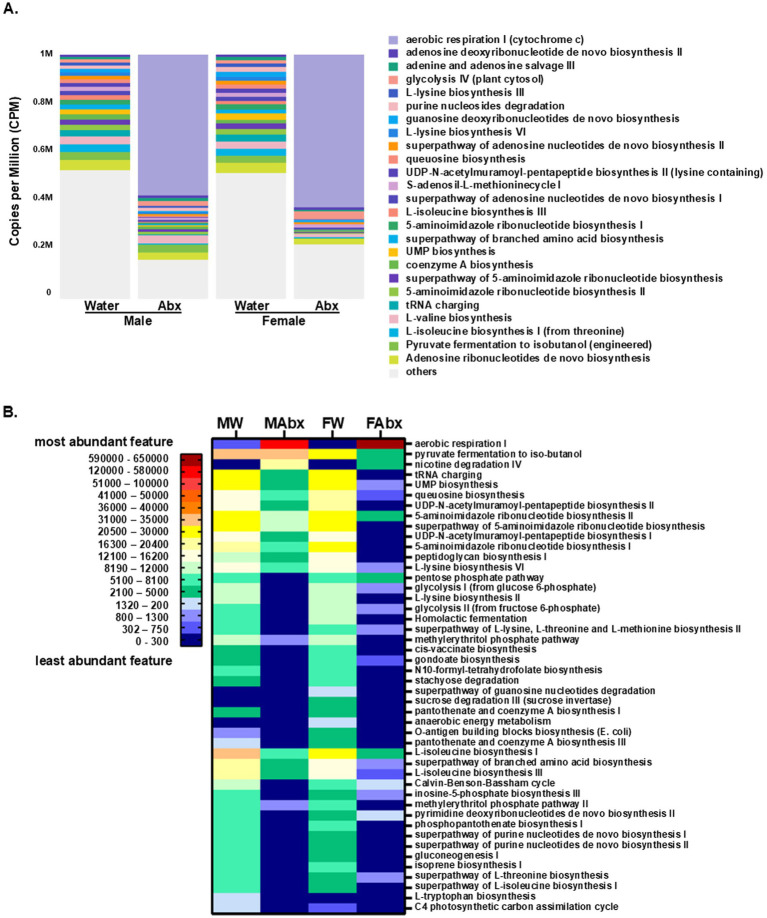 Figure 6
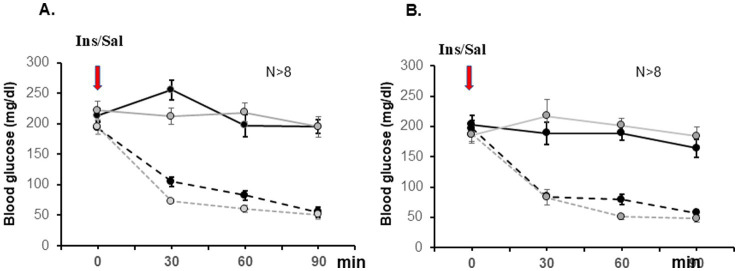 Figure 7
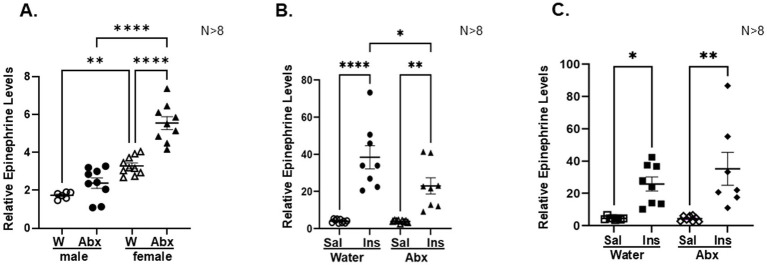 Figure 8
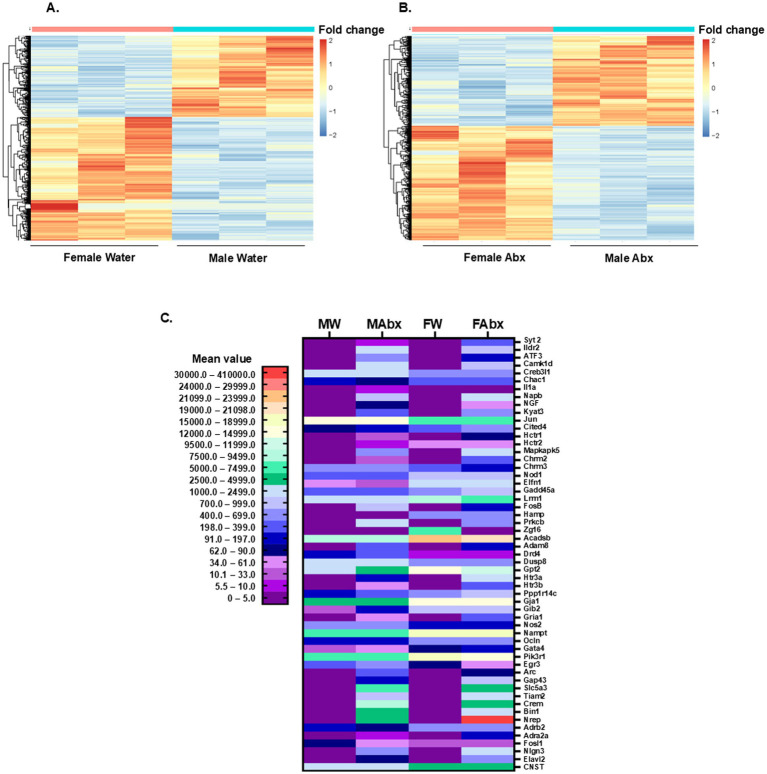 Figure 9
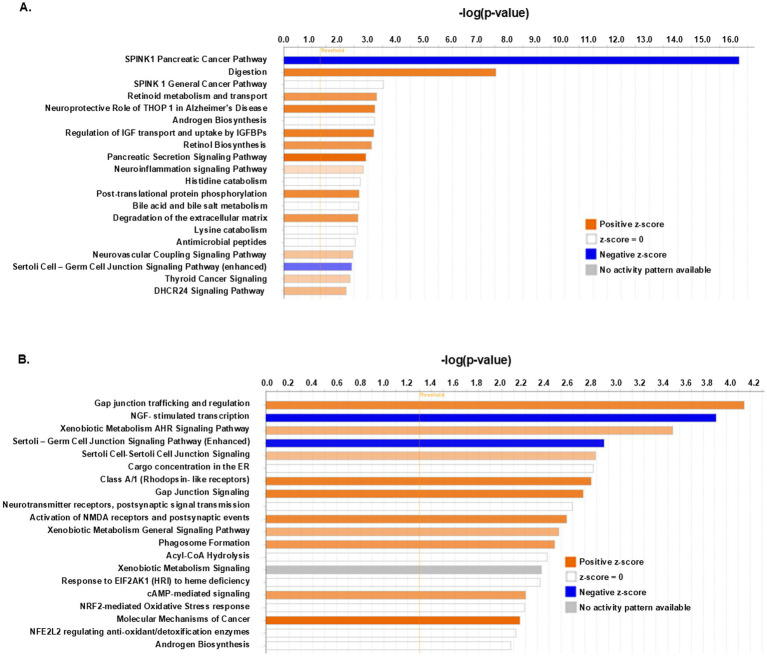 Figure 10
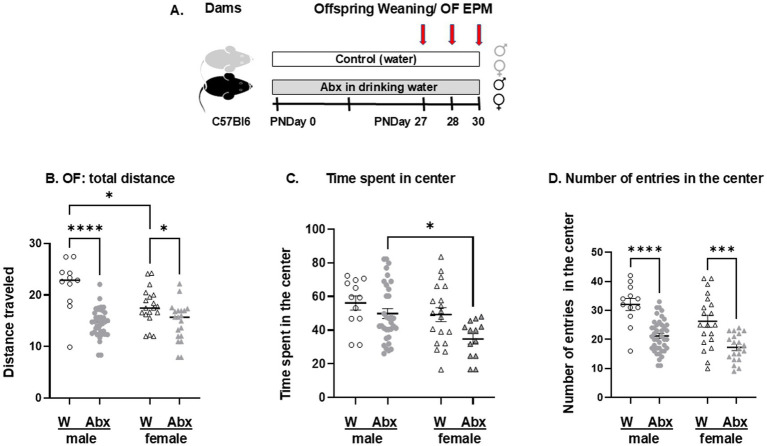 Figure 11
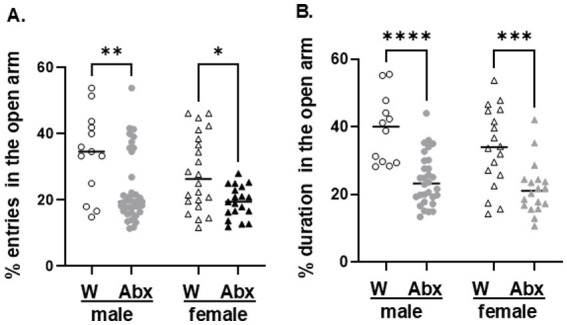 Figure 12
Peer Reviews
No public reviews on file for this paper yet. If you reviewed it on a platform where reviews are public (OpenReview, ICLR, NeurIPS, ICML), you can paste yours below so the community can read it here.
Videos
No videos yet. Explain this paper in a talk, walkthrough, or lecture? Add one.
Taxonomy
TopicsNeuroendocrine regulation and behavior · Stress Responses and Cortisol · Gut microbiota and health