The new composition of circulating microvesicles: optimized protocols and reassessment of their characteristics and physiological functions
Chen Zhang, Jiajia Hu, Yifan Shi, Yang Feng, Zeyang Li, Zi Dong, Yiding Tang, Guang Ning, Zhengting Wang, Guorui Huang

TL;DR
This paper shows that centrifugation speed affects microvesicle composition, with most being platelet-derived at lower speeds, impacting their clinical and functional interpretations.
Contribution
The study identifies 3000 g as a critical centrifugation speed for isolating platelet-derived microvesicles, clarifying their origin and function.
Findings
Centrifugation at 3000 g yields MVs where over 80% are platelet-derived.
Higher centrifugation speeds result in MVs with only about 20% platelet origin.
Platelet-derived MVs are linked to procoagulation activity and clinical diagnosis.
Abstract
Microvesicles (MVs) have convenient clinical applications and play functional roles in cellular signal transduction. Although the clinical importance of MVs is being increasingly recognized, the current diversity of isolated protocols results in a heterogeneous population of their unknown origins, even expands to uncertain functions. Here, we systematically investigated the composition of MVs at different centrifugal speed intervals and discovered that centrifugation at 3000 g is critical in determining the composition of MVs. We observed that platelet-derived particles accounted for more than 80% of MVs under 3000 g, while only about 20% of MVs were obtained over 3000 g. The discovery that more than 80% of platelet-derived MVs sheds new light on their function, including procoagulation activity and clinical diagnosis, etc. Our work not only optimizes the method for MVs isolation but…
Genes, proteins, chemicals, diseases, species, mutations and cell lines named across the full text — each resolved to its canonical identifier and authoritative record.
Click any figure to enlarge with its caption.
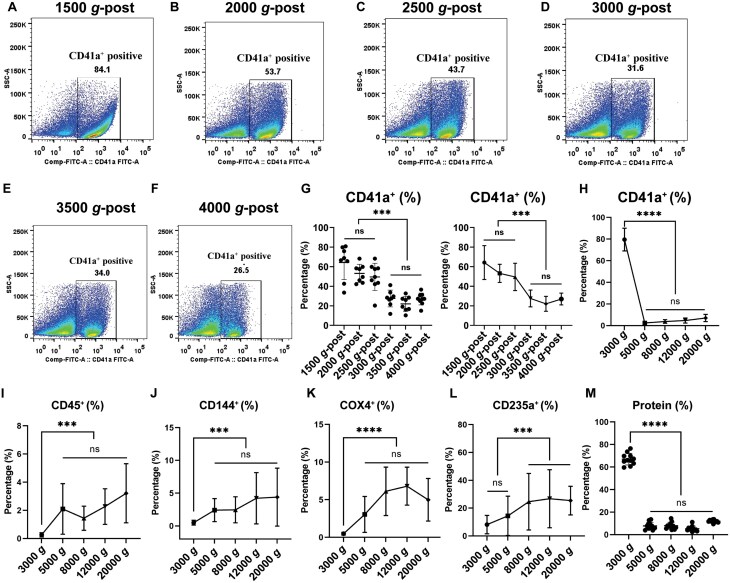 Figure 1
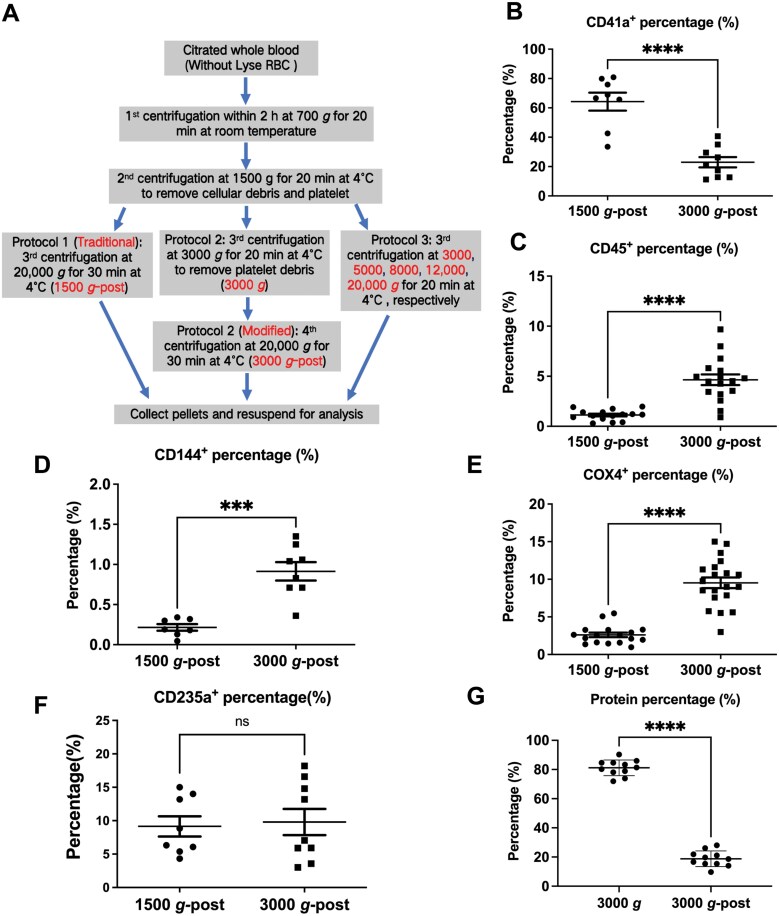 Figure 2
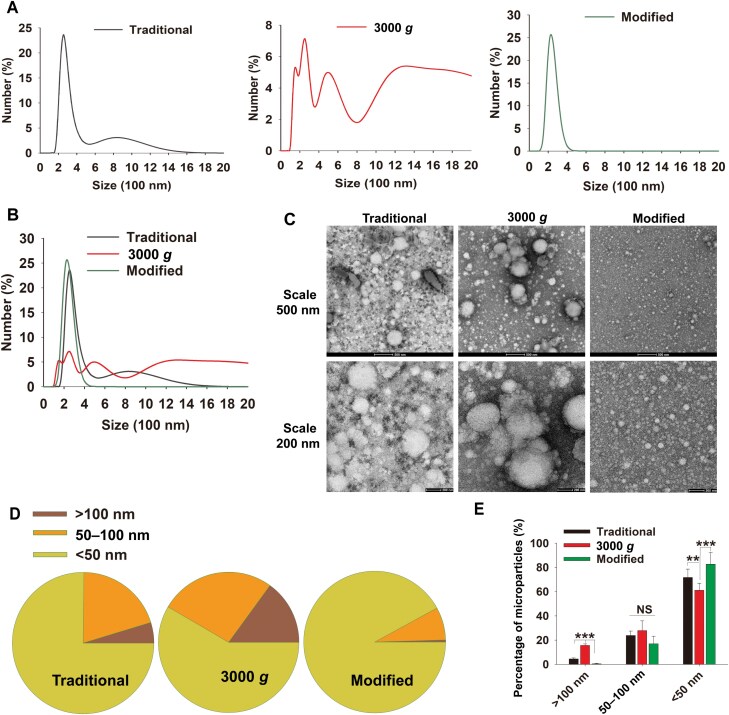 Figure 3
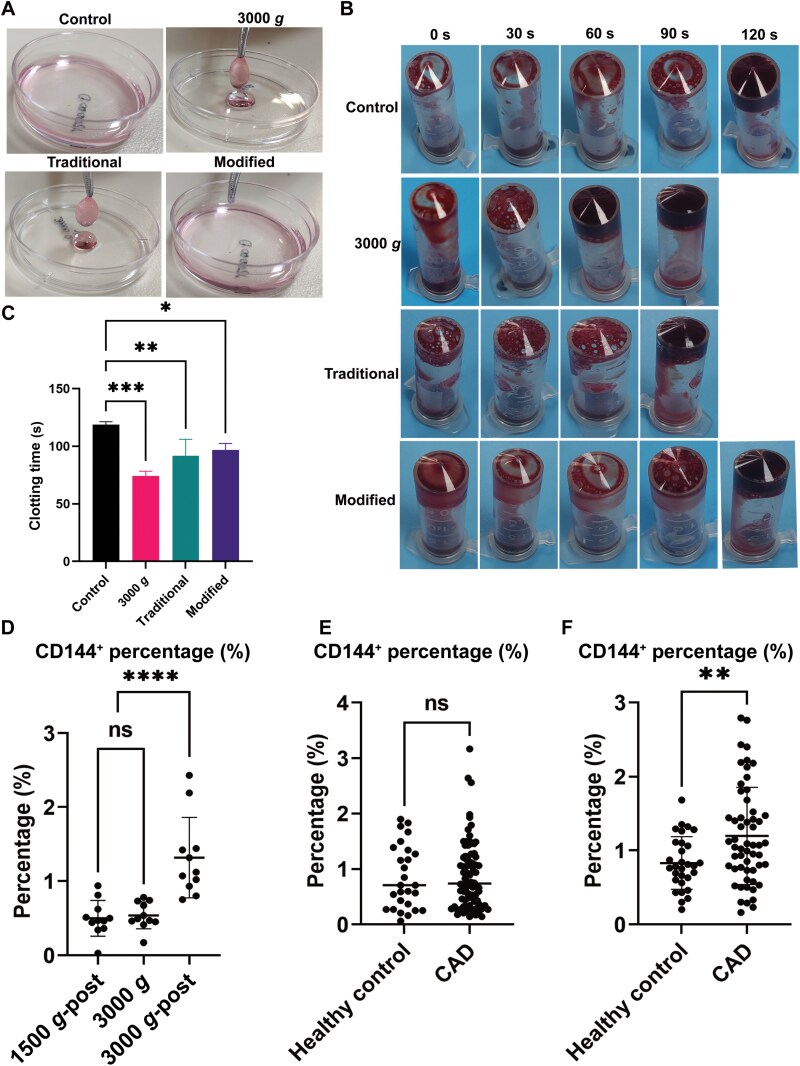 Figure 4
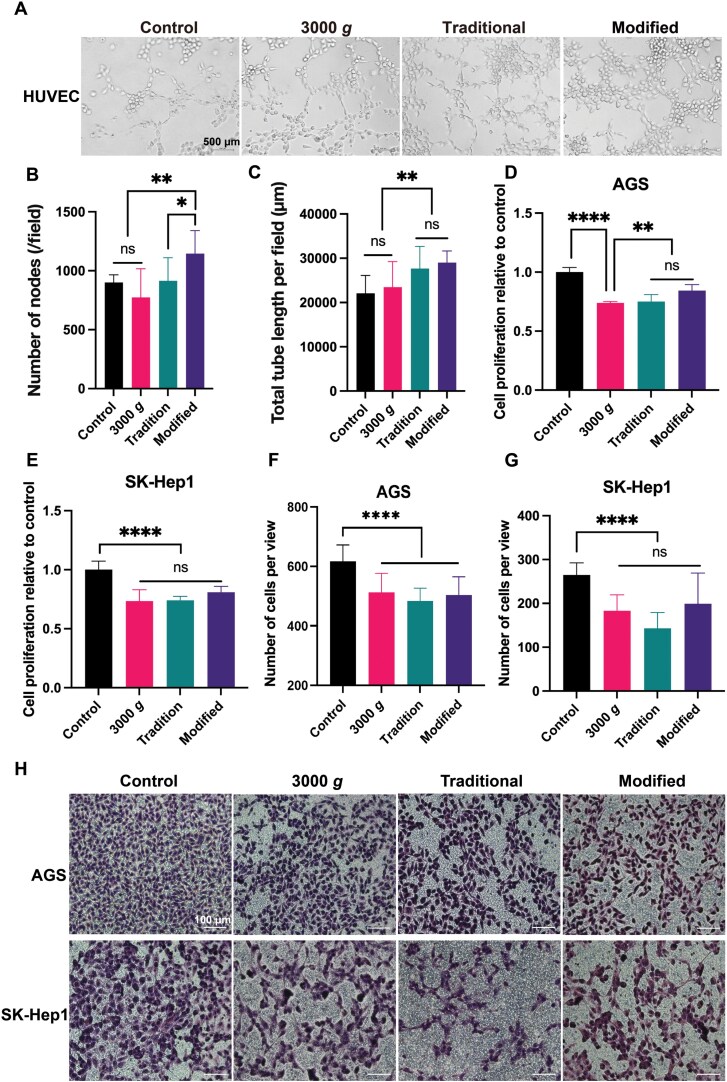 Figure 5
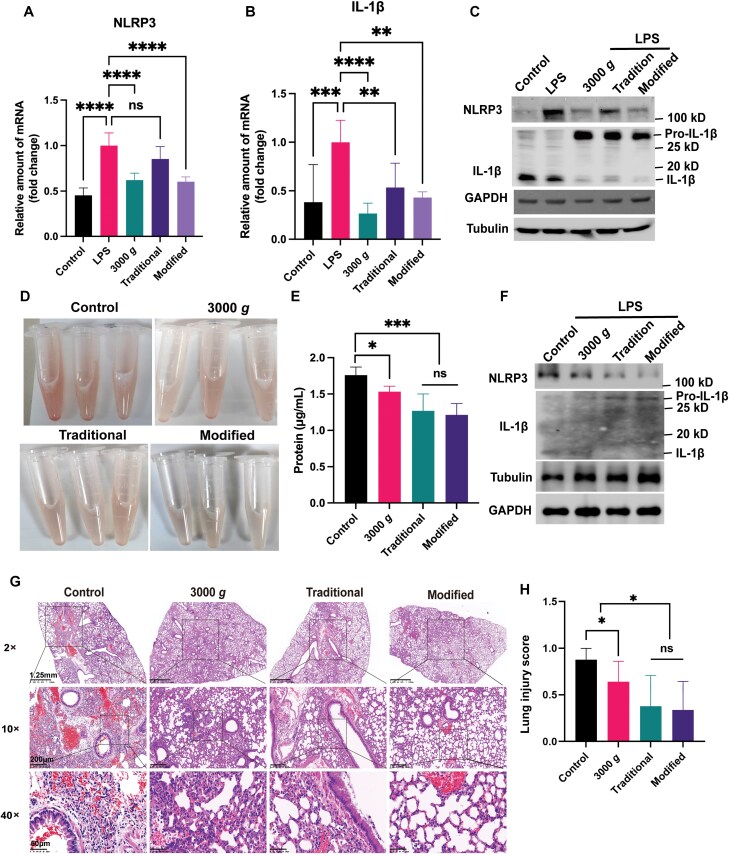 Figure 6
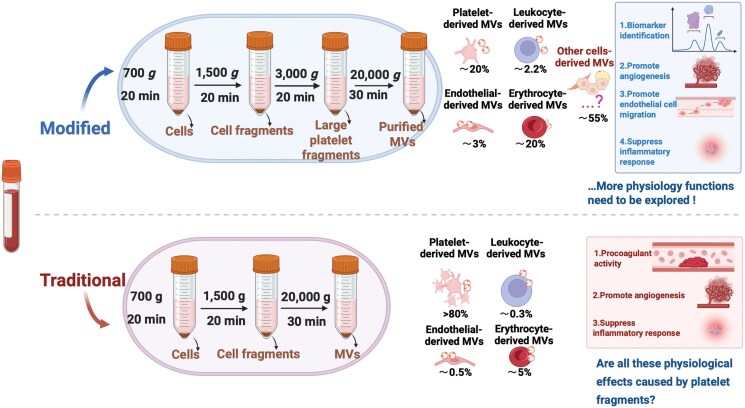 Figure 7
Peer Reviews
No public reviews on file for this paper yet. If you reviewed it on a platform where reviews are public (OpenReview, ICLR, NeurIPS, ICML), you can paste yours below so the community can read it here.
Videos
No videos yet. Explain this paper in a talk, walkthrough, or lecture? Add one.
Taxonomy
TopicsExtracellular vesicles in disease