Development of automatic organ segmentation based on positron-emission tomography analysis system using Swin UNETR in breast cancer patients in Korea
Dong Hyeok Choi, Joonil Hwang, Hai-Jeon Yoon, So Hyun Ahn

TL;DR
This study introduces a deep learning system to automatically segment organs in PET scans of breast cancer patients, improving the accuracy of SUV measurements for better prognosis.
Contribution
A novel deep learning-based organ segmentation system using Swin UNETR is developed to standardize SUV evaluation in breast cancer patients.
Findings
The method achieved an auto-segmentation accuracy of 0.9311 across key organs in 10 patients.
Automated SUV analysis showed improved reliability compared to traditional single-ROI methods with differences of 0.19 and 0.16 for maximum and mean SUV values.
Abstract
The standardized uptake value (SUV) is a key quantitative index in nuclear medicine imaging; however, variations in region‐of‐interest (ROI) determination exist across institutions. This study aims to standardize SUV evaluation by introducing a deep learning‐based quantitative analysis method that enhances diagnostic and prognostic accuracy. We used the Swin UNETR model to automatically segment key organs (breast, liver, spleen, and bone marrow) critical for breast cancer prognosis. Tumor segmentation was performed iteratively based on predefined SUV thresholds, and prognostic information was extracted from the liver, spleen, and bone marrow (reticuloendothelial system). The artificial intelligence training process employed 3 datasets: a test dataset (40 patients), a validation dataset (10 patients), and an independent test dataset (10 patients). To validate our approach, we compared…
Genes, proteins, chemicals, diseases, species, mutations and cell lines named across the full text — each resolved to its canonical identifier and authoritative record.
Click any figure to enlarge with its caption.
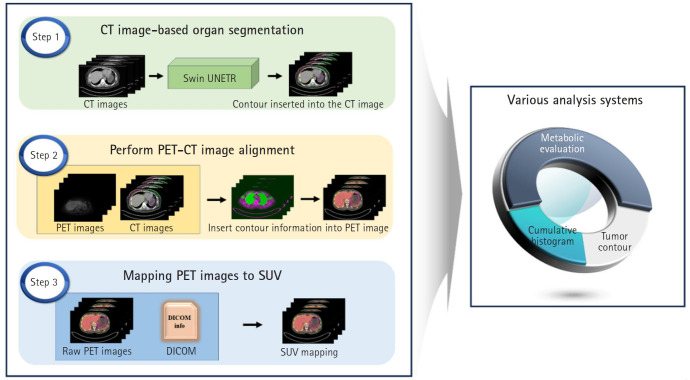 Figure 1
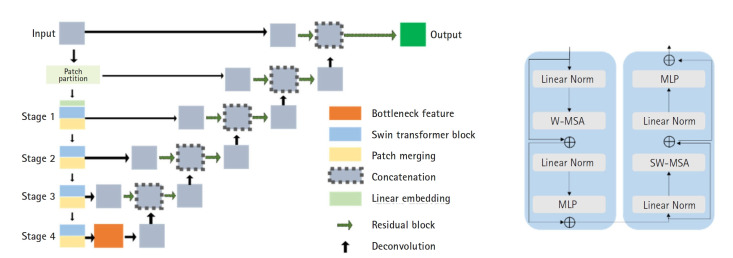 Figure 2
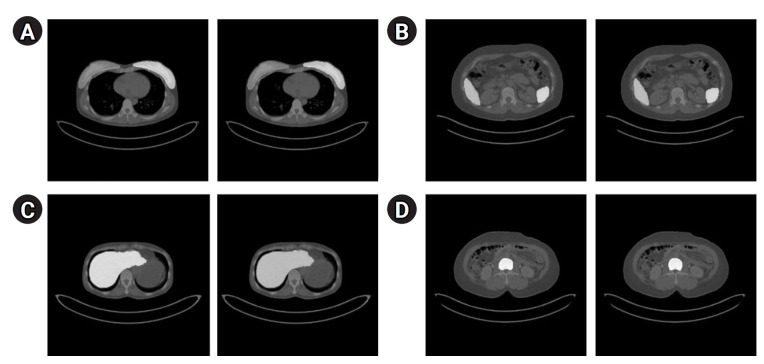 Figure 3
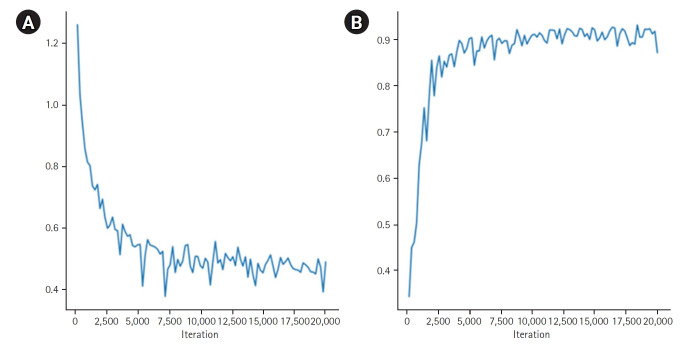 Figure 4
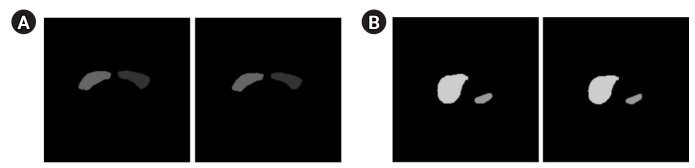 Figure 5
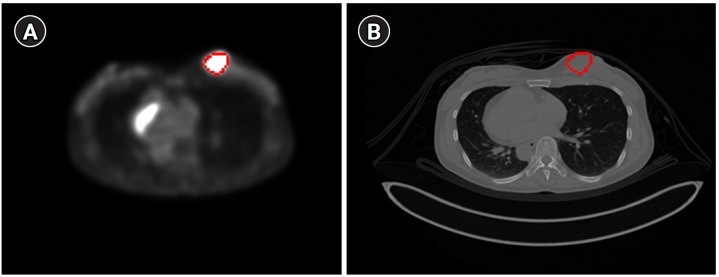 Figure 6
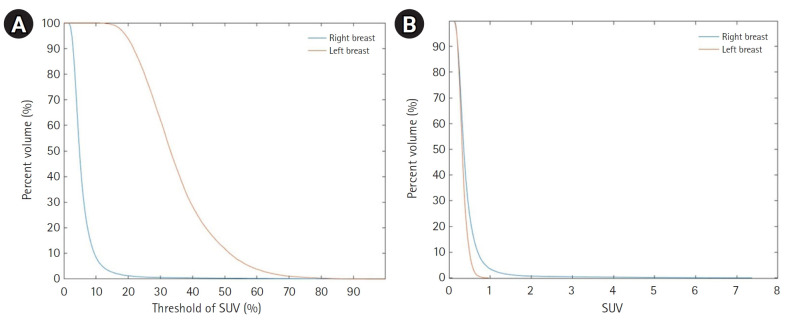 Figure 7
Peer Reviews
No public reviews on file for this paper yet. If you reviewed it on a platform where reviews are public (OpenReview, ICLR, NeurIPS, ICML), you can paste yours below so the community can read it here.
Videos
No videos yet. Explain this paper in a talk, walkthrough, or lecture? Add one.
Taxonomy
TopicsRadiomics and Machine Learning in Medical Imaging