Description and phenotype of a novel C5 gene mutation and a novel combination: family report and literature review
Asier Lizama-Muñoz, Juan Francisco Gutiérrez-Bautista, Monica Bernal, Miguel Ángel López-Nevot

TL;DR
A family with C5 gene mutations shows increased susceptibility to Neisseria infections, with new insights into how these mutations affect protein structure and function.
Contribution
The study reports a novel C5 gene mutation (Gly650Val) and unique genotypic combinations linked to C5 deficiency and infection susceptibility.
Findings
Compound heterozygous and homozygous C5 variants (Ile238Thr and Gly650Val) cause very low C5 and CH50 levels.
Structural modeling suggests both mutations disrupt C5 protein stability and function.
Individuals with single variants had normal complement function, highlighting the role of variant combination.
Abstract
Patients with C5 mutations are more susceptibility to Gram-negative bacterial infections, particularly Neisseria species. To describe the phenotype and clinical features of a family carrying two C5 gene variants, including one novel mutation, and to assess their functional and genetic significance. We analyzed the clinical and genetic characteristics of a family with two compounds heterozygous C5 variants. Clinical features were assessed across affected and unaffected family members, and results were correlated with genetic and functional assays. Genetic testing revealed compound heterozygous variants in the C5 gene: c.713T>C (p.Ile238Thr) and c.1949G>T (p.Gly650Val). The p.Ile238Thr variant, located in exon 7, results in a substitution of isoleucine with threonine. The p.Gly650Val variant, located in exon 15, replaces glycine with valine. Sanger sequencing confirmed the variants…
Genes, proteins, chemicals, diseases, species, mutations and cell lines named across the full text — each resolved to its canonical identifier and authoritative record.
Click any figure to enlarge with its caption.
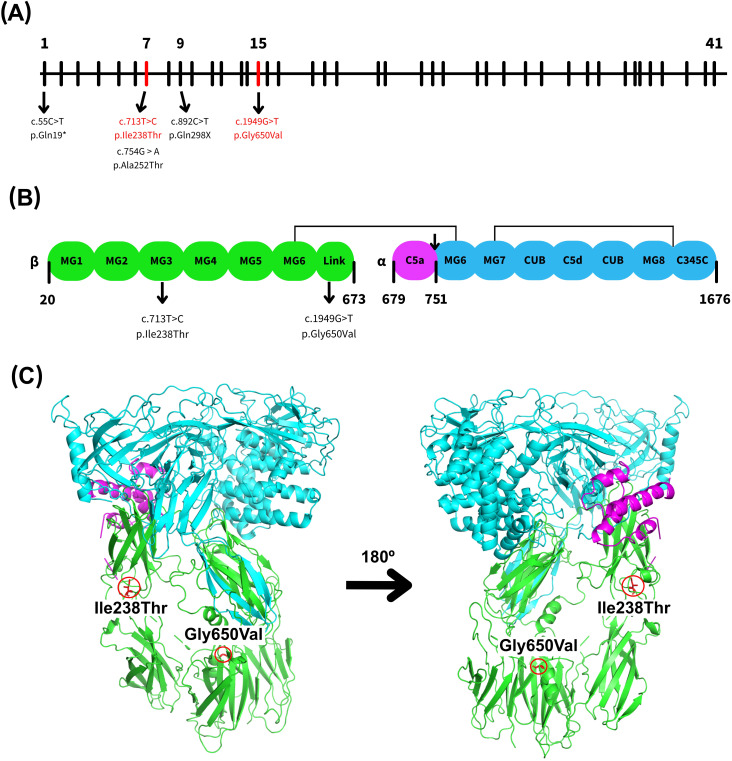 Figure 1
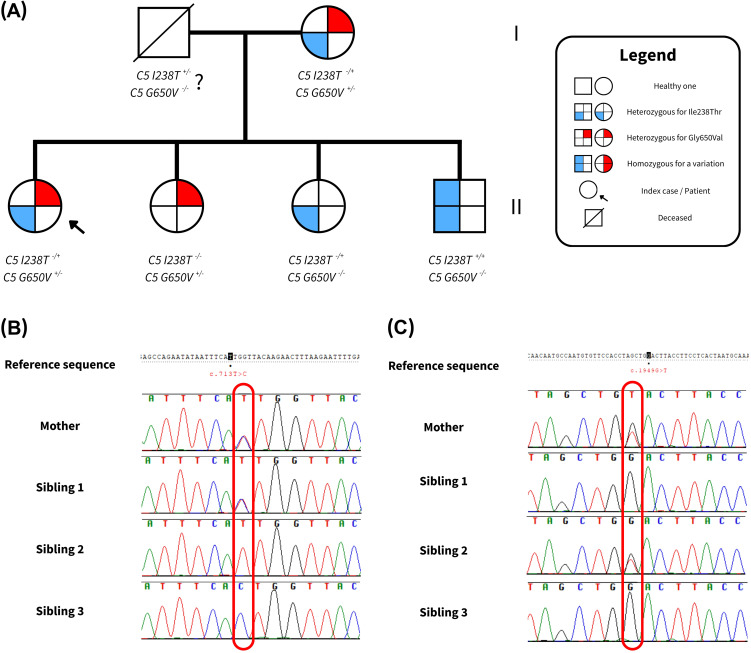 Figure 2
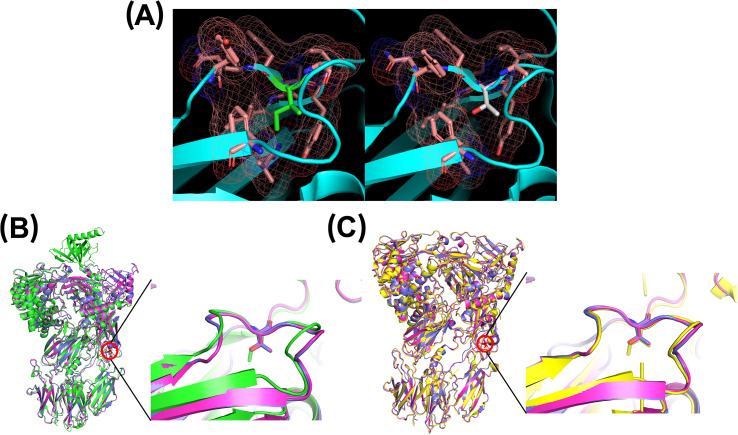 Figure 3
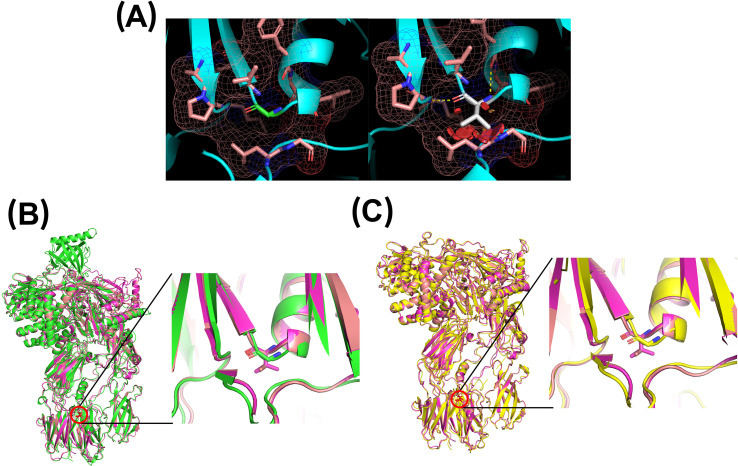 Figure 4
Peer Reviews
No public reviews on file for this paper yet. If you reviewed it on a platform where reviews are public (OpenReview, ICLR, NeurIPS, ICML), you can paste yours below so the community can read it here.
Videos
No videos yet. Explain this paper in a talk, walkthrough, or lecture? Add one.
Taxonomy
TopicsGenetics and Neurodevelopmental Disorders · Neonatal Respiratory Health Research · Virus-based gene therapy research