Genomic characterization and antibiotic susceptibility of biofilm-forming Borrelia afzelii and Borrelia garinii from patients with erythema migrans
Giorgia Fabrizio, Ilaria Cavallo, Francesca Sivori, Mauro Truglio, Daniela Kovacs, Massimo Francalancia, Giovanna D’Agosto, Elisabetta Trento, Grazia Prignano, Arianna Mastrofrancesco, Eva Ruzič-Sabljič, Fulvia Pimpinelli, Enea Gino Di Domenico

TL;DR
This study examines the genomes and antibiotic resistance of Borrelia species causing Lyme disease, finding that biofilms reduce antibiotic effectiveness.
Contribution
The study provides new insights into biofilm-related antibiotic tolerance in Borrelia species and their genomic differences.
Findings
Borrelia afzelii and Borrelia garinii form biofilms with high extracellular DNA content.
Biofilms significantly reduce the effectiveness of antibiotics like ceftriaxone and doxycycline.
Genomic analysis shows distinct clades and limited shared genes between Borrelia species.
Abstract
Borrelia afzelii and Borrelia garinii are the leading causes of Lyme borreliosis (LB) in Europe. Persistent LB forms may involve biofilms, potentially contributing to antibiotic tolerance. Whole genome sequencing (WGS) was conducted on 7 B. afzelii and 5 B. garinii isolates from erythema migrans skin biopsies. Biofilms were analyzed for extracellular DNA (eDNA) content and biomass. A phenol red metabolic assay assessed the minimum inhibitory concentration (MIC) and minimum biofilm inhibitory concentration (MBIC) of amoxicillin, azithromycin, ceftriaxone, and doxycycline. Phylogenetic analysis revealed B. afzelii and B. garinii formed distinct clades, while B. burgdorferi B31 clustered separately. Core genome analysis showed 38.9% of genes were shared between B. afzelii and B. garinii, decreasing to 26.1% with B. burgdorferi. The cloud genome expanded from 34.4% to 53.4% with the…
Genes, proteins, chemicals, diseases, species, mutations and cell lines named across the full text — each resolved to its canonical identifier and authoritative record.
Click any figure to enlarge with its caption.
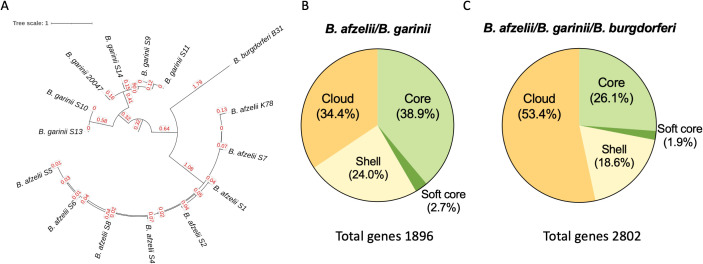 Figure 1
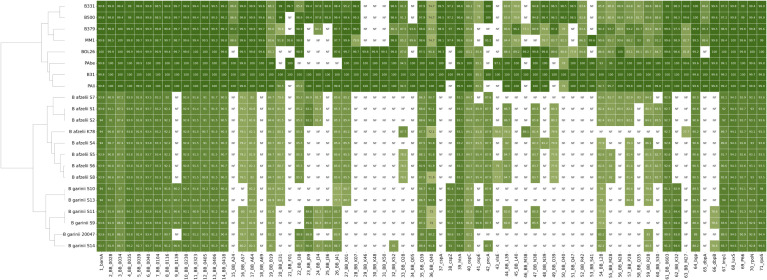 Figure 2
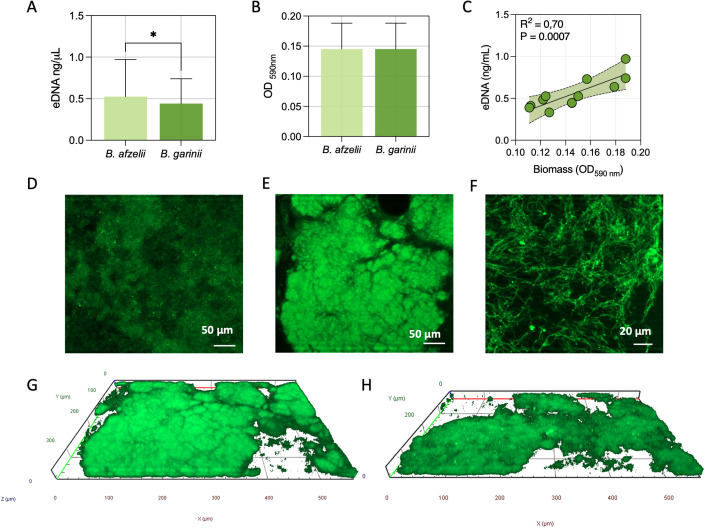 Figure 3
Peer Reviews
No public reviews on file for this paper yet. If you reviewed it on a platform where reviews are public (OpenReview, ICLR, NeurIPS, ICML), you can paste yours below so the community can read it here.
Videos
No videos yet. Explain this paper in a talk, walkthrough, or lecture? Add one.
Taxonomy
TopicsVector-borne infectious diseases · Vector-Borne Animal Diseases · Viral Infections and Vectors