Novel potential neuroprotective targets for DengZhanXiXin injection in middle cerebral artery occlusion rats recommended by quantitative proteomics and simulated docking
Min Li, Linshuang Wang, Haiting An, Xin Li, Yaojing Chen, Dongfeng Wei, Zhanjun Zhang

TL;DR
This study explores how a traditional Chinese medicine, DZXI, helps protect brain cells in rats with stroke by identifying key proteins and biological processes involved.
Contribution
The study identifies novel neuroprotective targets of DZXI in stroke using proteomics and molecular docking.
Findings
DZXI significantly reduced neurological deficits and protected brain cells in stroke-affected rats.
191 differentially expressed proteins were identified, linked to metal ion response and synaptic transmission.
Molecular docking predicted interactions between DZXI compounds and key target proteins.
Abstract
Stroke, which leads to death and disability in high proportions globally, is one of the most deleterious neurological diseases. Ischemic stroke (IS) is the major cause of disease attack and accounts for ~70% of all incident stroke cases in China. Up to now, only two therapies for IS were officially approved, which are intravenous administration of recombinant tissue-plasminogen activator (rt-PA) and endovascular mechanical thrombectomy to rapidly recanalize the occluded artery, which both recanalize the occluded artery rapidly to reduce disability, but are limited in a fixed time window. In this study, the therapeutic effect of a traditional Chinese medicine, DengZhanXiXin injection (DZXI), was evaluated on middle cerebral artery occlusion (MCAO) rats at the neurobehavioral and pathophysiological levels through neurological tests, neurohistological staining, proteomic assay, and…
Genes, proteins, chemicals, diseases, species, mutations and cell lines named across the full text — each resolved to its canonical identifier and authoritative record.
Click any figure to enlarge with its caption.
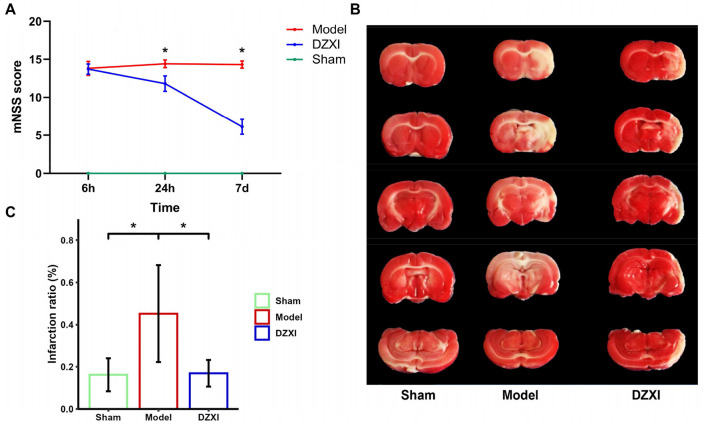 Figure 1
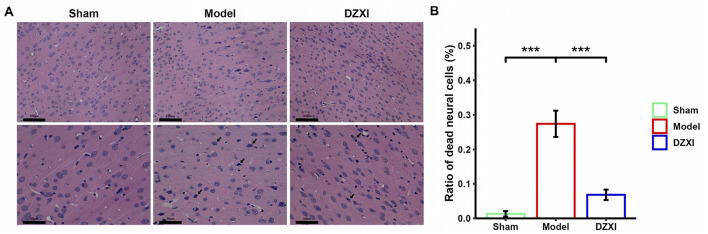 Figure 2
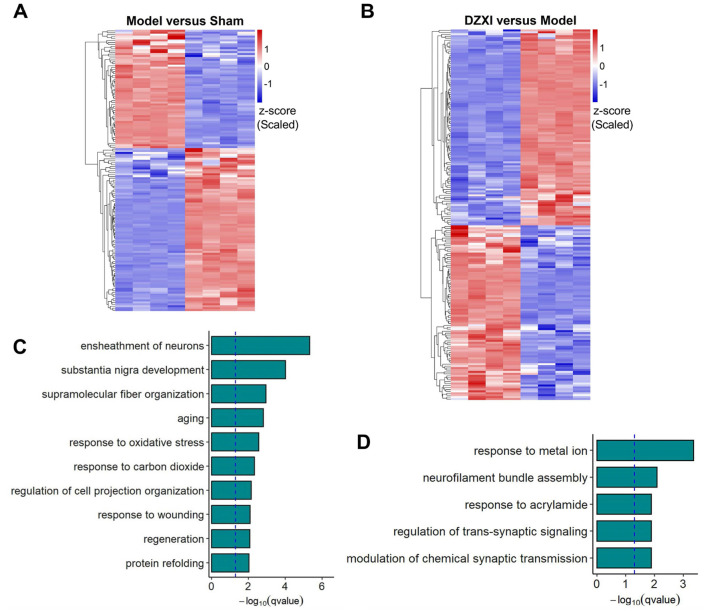 Figure 3
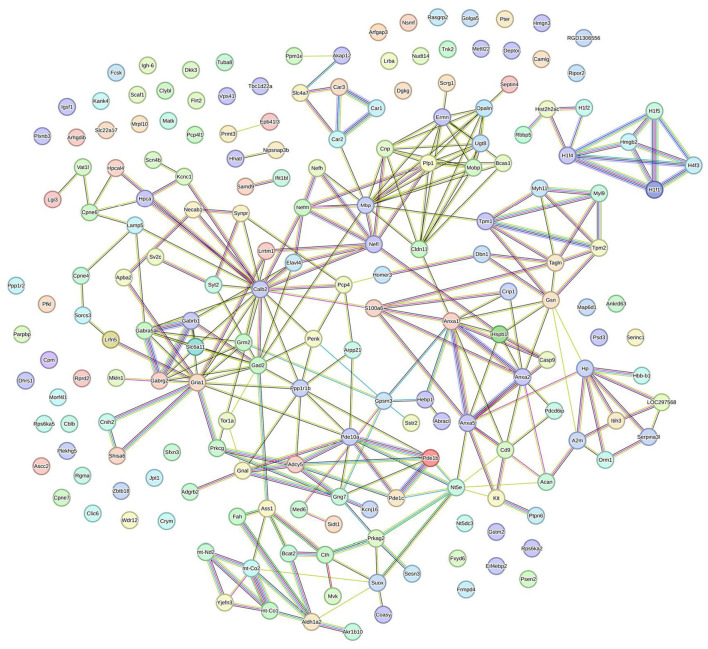 Figure 4
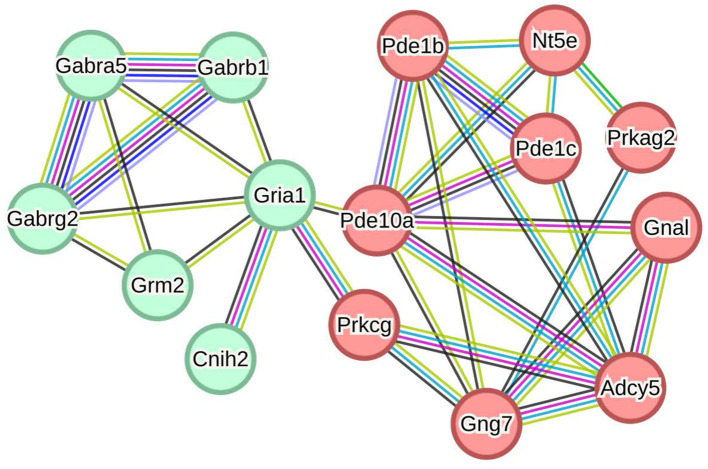 Figure 5
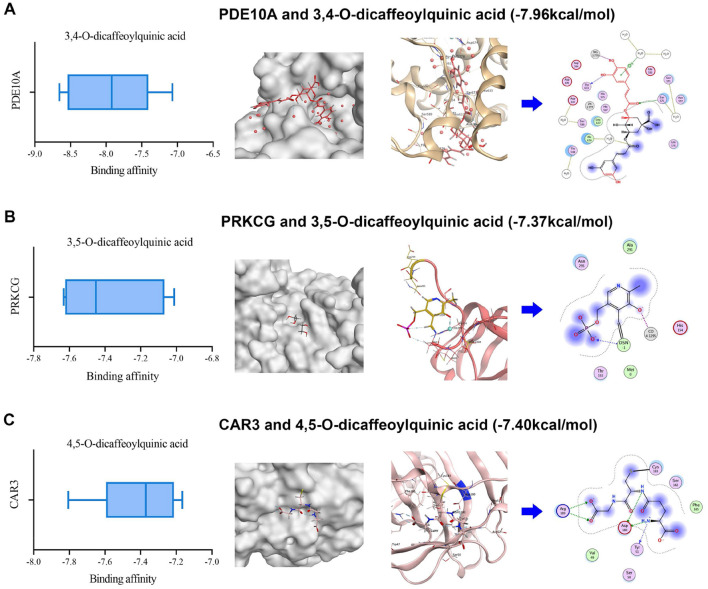 Figure 6
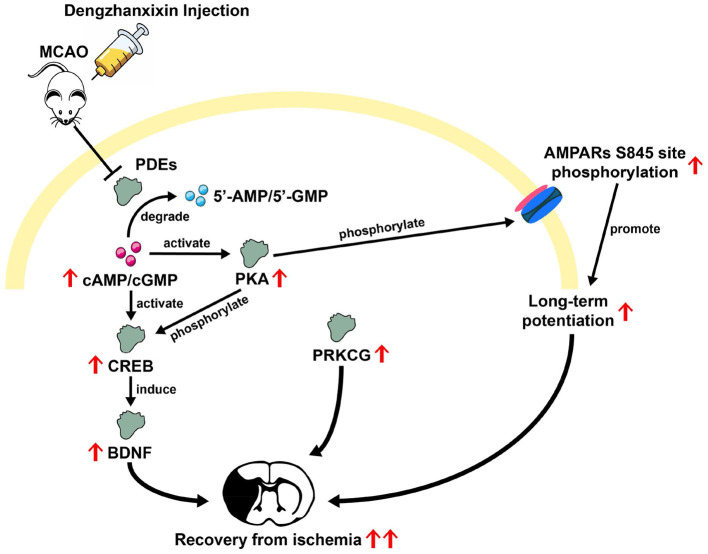 Figure 7
Peer Reviews
No public reviews on file for this paper yet. If you reviewed it on a platform where reviews are public (OpenReview, ICLR, NeurIPS, ICML), you can paste yours below so the community can read it here.
Videos
No videos yet. Explain this paper in a talk, walkthrough, or lecture? Add one.
Taxonomy
TopicsNeuroinflammation and Neurodegeneration Mechanisms · S100 Proteins and Annexins · Neurological Disease Mechanisms and Treatments