Design, synthesis, and anti-inflammatory potential of PROTAC drug molecules based on fondaparinux sodium
Ruoxuan Wu, Tianji Zhang, Siran Zhao, Marco Maccarana, Jin-Ping Li, Chao Li, Hui Cao

TL;DR
This study creates and tests new anti-inflammatory drug molecules called PROTACs based on fondaparinux sodium, showing they can inhibit inflammation effectively.
Contribution
The paper introduces a scalable method to synthesize high-purity PROTACs with anti-inflammatory potential.
Findings
High-purity (>99%) PROTAC molecules were produced using a scalable platform.
Two candidate compounds significantly inhibited LPS-induced IL-1β release in PBMCs.
PROTACs showed micromolar binding affinities toward RANTES (CCL5) and IL-6.
Abstract
In this study, we used an approach by conjugating Fondaparinux Sodium (FS) with selected drugs to generate proteolysis-targeting chimeras (PROTACs). By applying bioprocess engineering principles, the direct amidation reaction was optimized –through precise control of pH, substrate ratios, and solvent selection –to reliably produce high‐purity (>99%) PROTAC molecules on a scalable platform. Surface plasmon resonance (SPR) analysis demonstrated that the synthesized PROTACs exhibit micromolar binding affinities (KD ≈ 10–6 M) toward inflammatory mediators RANTES (CCL5) and interleukin-6 (IL-6). In vitro assays using peripheral blood mononuclear cells (PBMCs) revealed that two candidate compounds (Product 6 and Product 10) significantly inhibited lipopolysaccharide (LPS)‐induced interleukin‐1β (IL‐1β) release in a concentration-dependent manner, while FS and the drugs alone had no effect.…
Genes, proteins, chemicals, diseases, species, mutations and cell lines named across the full text — each resolved to its canonical identifier and authoritative record.
Click any figure to enlarge with its caption.
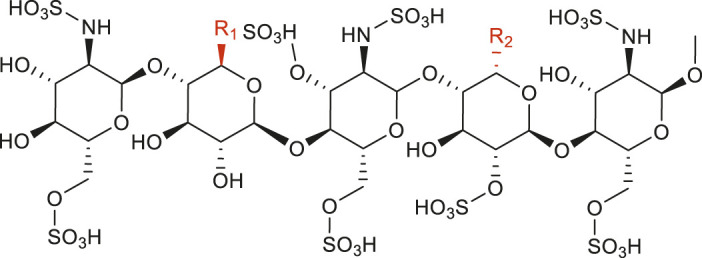 Figure 1
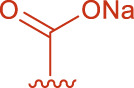 Figure 2
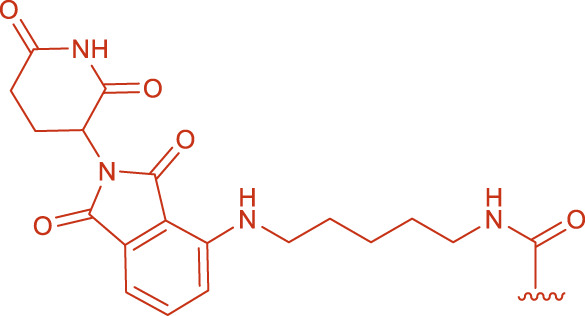 Figure 3
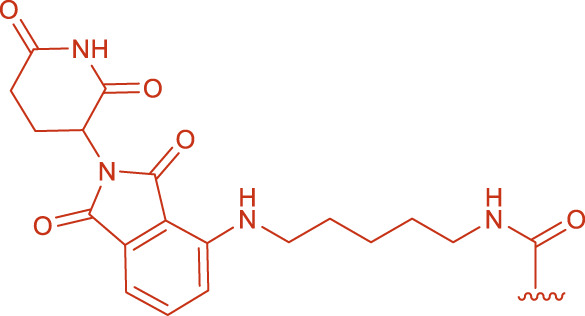 Figure 4
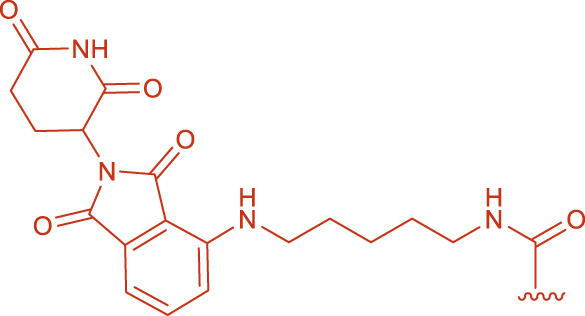 Figure 5
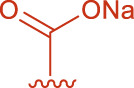 Figure 6
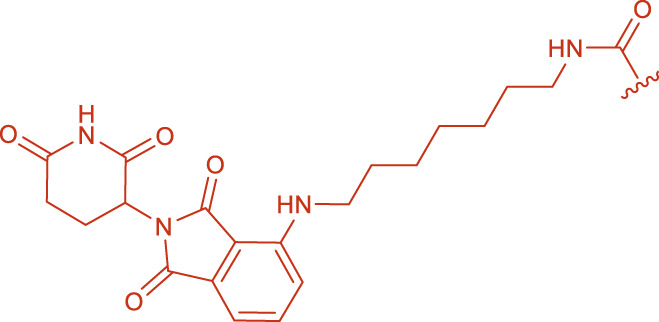 Figure 7
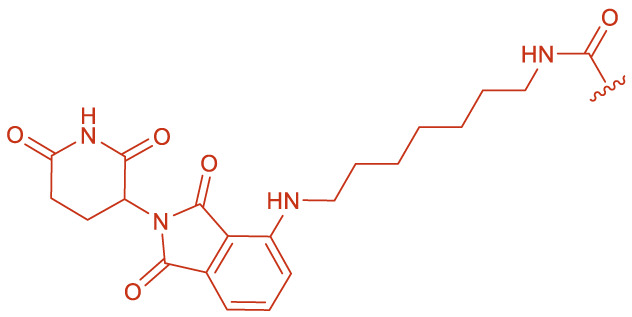 Figure 8
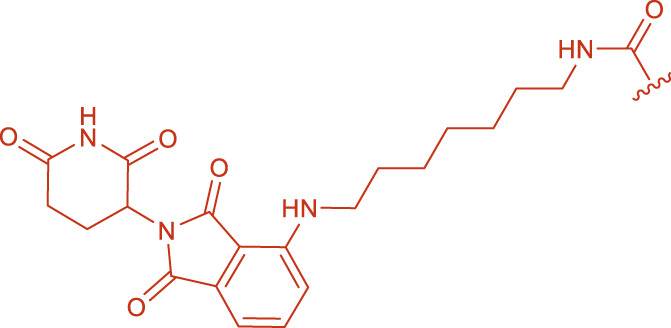 Figure 9
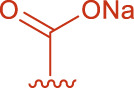 Figure 10
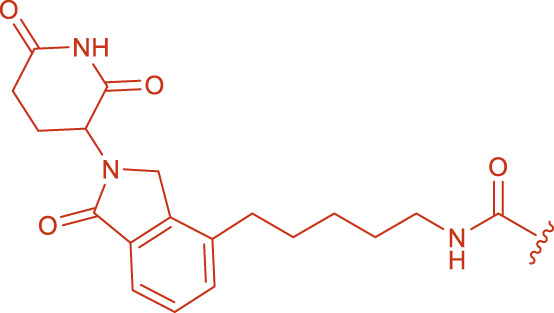 Figure 11
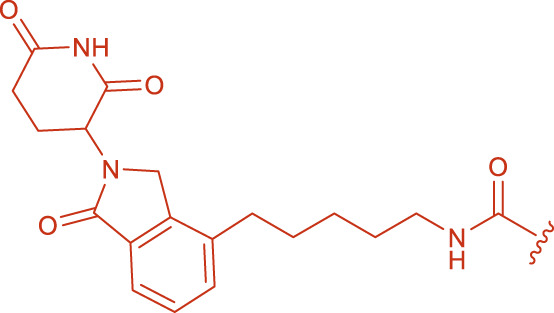 Figure 12
 Figure 13
 Figure 14
 Figure 15
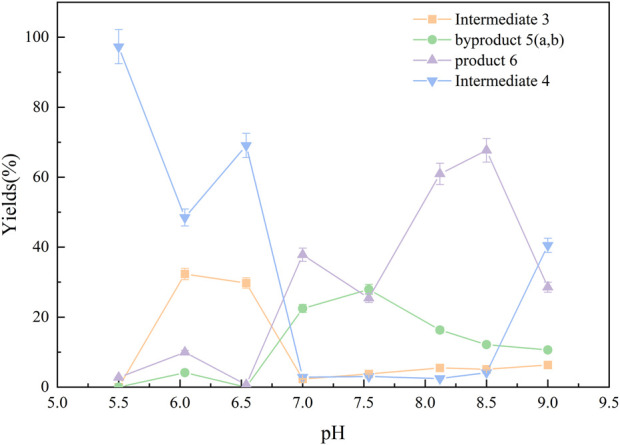 Figure 16
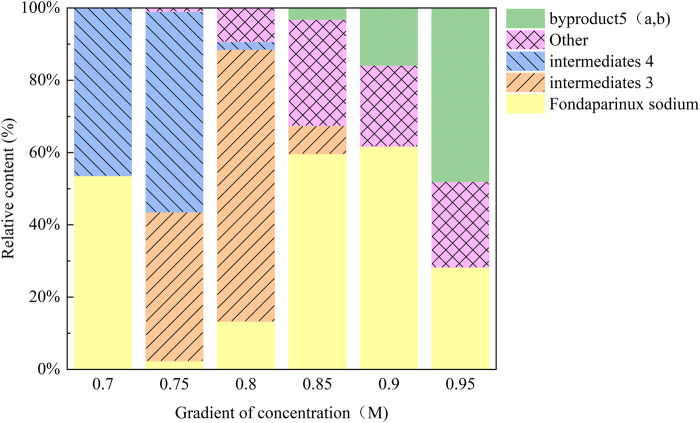 Figure 17
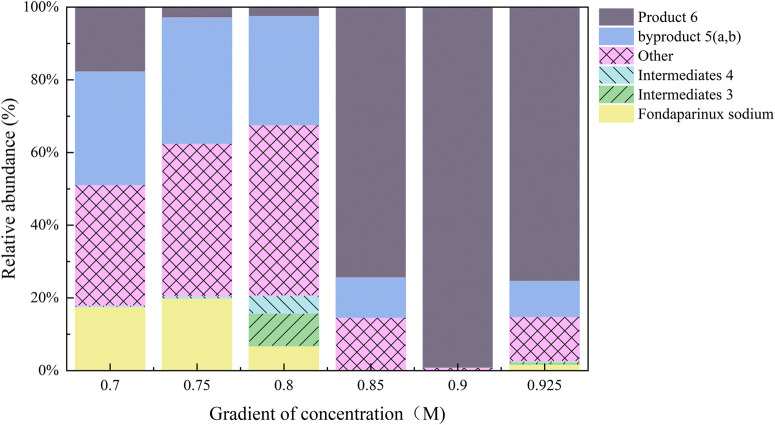 Figure 18
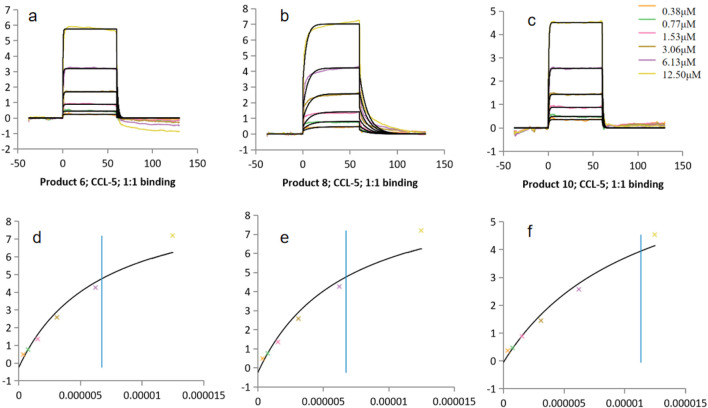 Figure 19
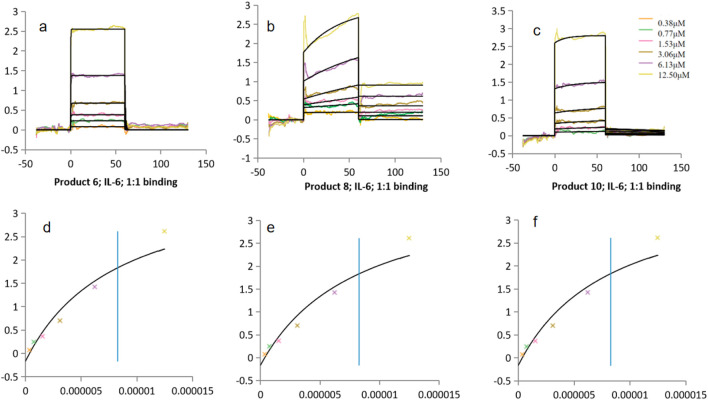 Figure 20
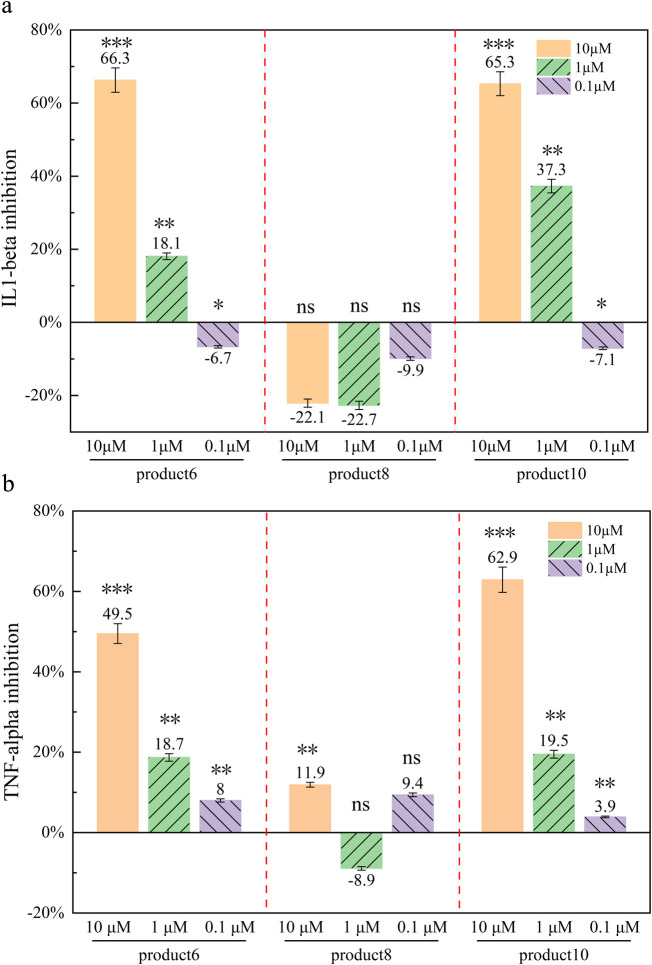 Figure 21
Peer Reviews
No public reviews on file for this paper yet. If you reviewed it on a platform where reviews are public (OpenReview, ICLR, NeurIPS, ICML), you can paste yours below so the community can read it here.
Videos
No videos yet. Explain this paper in a talk, walkthrough, or lecture? Add one.
Taxonomy
TopicsProtein Degradation and Inhibitors · Multiple Myeloma Research and Treatments · Peptidase Inhibition and Analysis