Exploration of the potential neurotransmitter or neuromodulator-like properties of harmine: evidence from synthesis to synaptic modulation
Zhejun Xie, Ning Cao, Manlin Li, Hanxue Wang, Huida Guan, Xuemei Cheng, Changhong Wang

TL;DR
This paper investigates whether harmine, an endogenous compound, behaves like a neurotransmitter or neuromodulator based on its synthesis, release, and interaction with brain cells.
Contribution
The study provides preliminary evidence that harmine may act as a neuromodulator by fulfilling key neurotransmitter criteria and interacting with specific brain receptors.
Findings
Harmine is synthesized via APMAP-X1 and MPO in mammalian cells.
Harmine interacts with GPR85 and CLIC2 receptors in the central nervous system.
Harmine influences neurotransmitter transporter expression and induces cellular depolarization.
Abstract
The discovery of new neurotransmitters is crucial for the in-depth understanding of neural signal transmission, neurological disorders, and relevant treatment strategies. Emerging evidence has indicated that harmine is an important endogenous compound, and its level is closely related to different physiological and disease states. Inspired by this, we propose a hypothesis that harmine may be a potential neurotransmitter or neuromodulator and display neurotransmitter or neuromodulator-like properties. This study aims to explore the potential properties of harmine as a neurotransmitter or neuromodulator according to the essential criteria for neurotransmitters and neuromodulators. Candidate proteins for the biosynthesis of harmine were searched by local BLAST. The target protein was then recombinantly expressed, purified, and functionally validated. Subsequently, the release, metabolism,…
Genes, proteins, chemicals, diseases, species, mutations and cell lines named across the full text — each resolved to its canonical identifier and authoritative record.
Click any figure to enlarge with its caption.
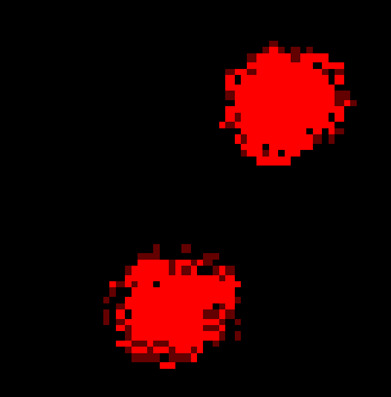 Figure 1
 Figure 2
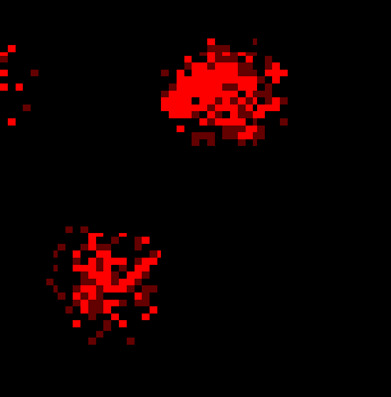 Figure 3
 Figure 4
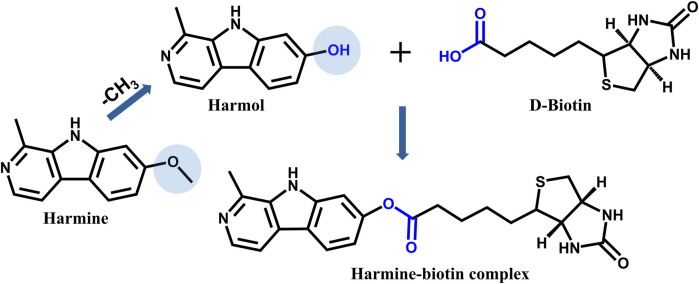 Figure 5
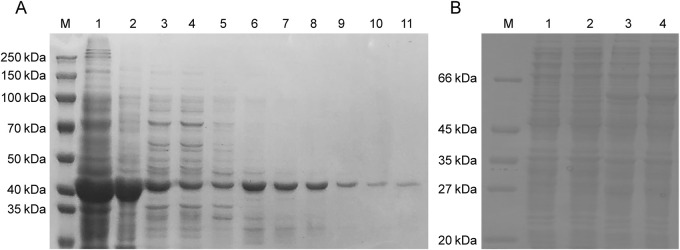 Figure 6
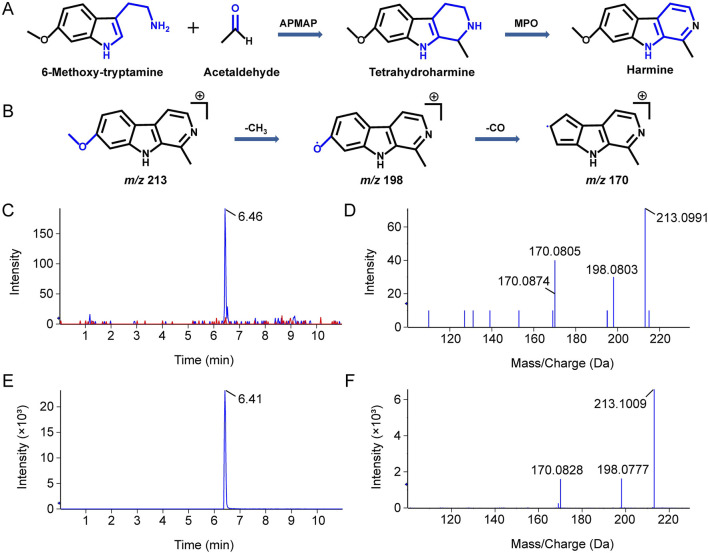 Figure 7
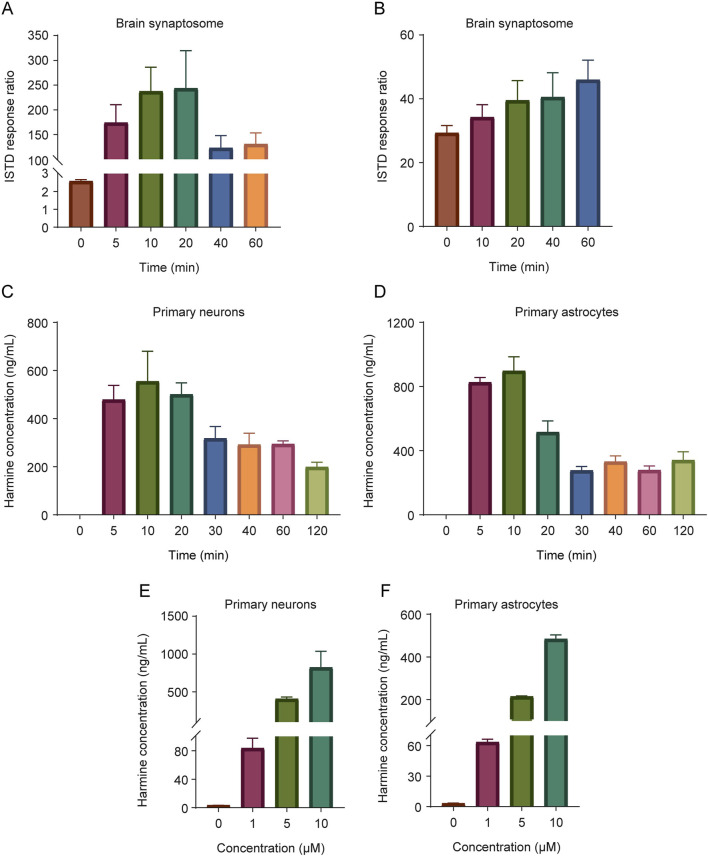 Figure 8
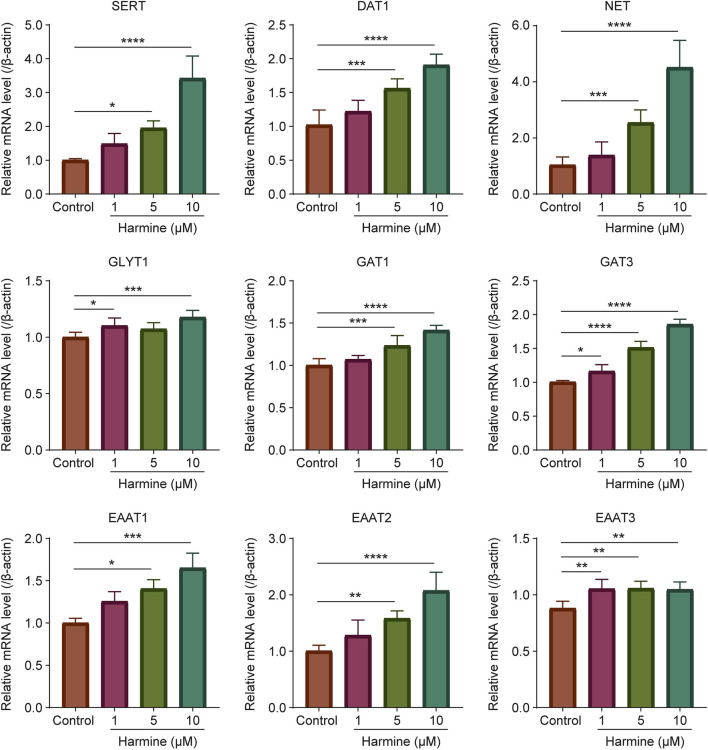 Figure 9
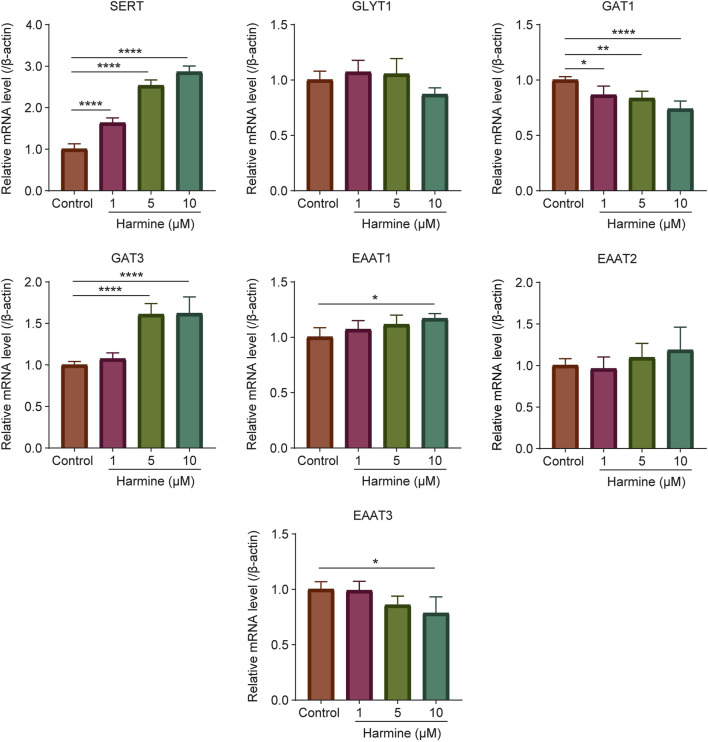 Figure 10
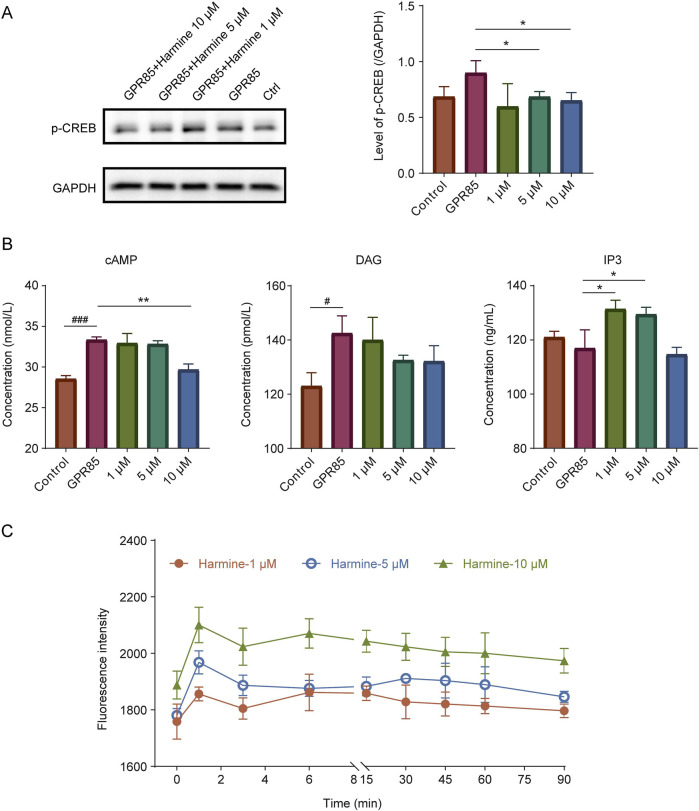 Figure 11
Peer Reviews
No public reviews on file for this paper yet. If you reviewed it on a platform where reviews are public (OpenReview, ICLR, NeurIPS, ICML), you can paste yours below so the community can read it here.
Videos
No videos yet. Explain this paper in a talk, walkthrough, or lecture? Add one.
Taxonomy
TopicsSynthesis and bioactivity of alkaloids · Nicotinic Acetylcholine Receptors Study · Synthesis and pharmacology of benzodiazepine derivatives